sodium
-

Sodium Reduction and Sodium Replacement: A History
The dance between sodium reduction and sodium replacement in U.S. food policy is not a recent improvisation but a decades-long performance, shaped by shifty science and fraudulent substitutions. Campaign Against Sodium (1970s–1990s): Sodium as Risk Signal The DASH Era (1997–2002): Ritual Trials and Thresholds Sodium reduction became a ritual scaffold even as more Americans developed…
-
DEADLY 1500 mg Sodium Recommendation Predates the WHO’s Formal Global Sodium Reduction Push by Nearly a Decade (It’s Even Worse Than That)
The 1500 mg Sodium Recommendation: Timeline and Document Names When Did This Begin? The first formal federal recommendation of 1500 mg/day for older adults appeared in the 2005 edition of the Dietary Guidelines. However, the scientific groundwork was laid earlier: So while the IOM’s AI came first, the USDA/HHS policy recommendation for older adults began…
-
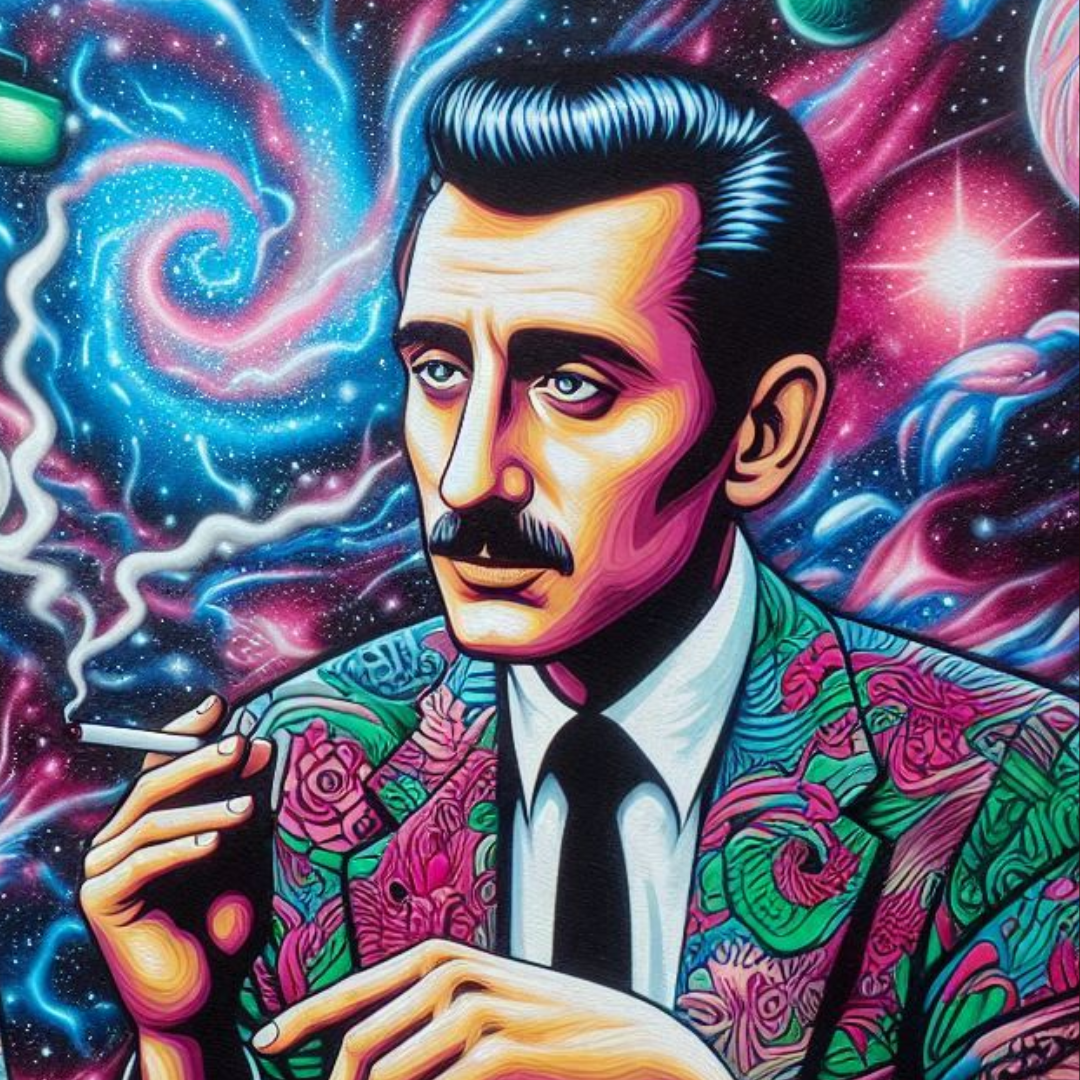
Biochemical Connection Between Altitude-Induced Sodium Depletion and The Use of Tobacco Smoke in High-Altitude Mountaineering
There’s a glyphic and biochemical connection between altitude-induced sodium depletion and the historical use of tobacco smoke in high-altitude mountaineering. It’s not officially recommended, but it reflects a deeper terrain logic: compressed oxygen, vascular instability, and redox buffering collapse. Altitude and Sodium Depletion At high altitudes: Altitude compresses terrain—sodium is the first to vanish. Tobacco…
-
Sodium’s Role in Bone Cell Activation
In terrain-deficient individuals, especially those with low sodium, osteoblasts may be underpowered, unable to deposit bone matrix effectively. Salt-Inducible Kinases (SIKs) and Bone Formation Recent studies have identified salt-inducible kinases (SIK2 and SIK3) as key regulators of bone growth. Inhibiting these kinases mimics the effects of PTH: This suggests that salt-linked pathways and not just…
-
Sodium and Thiocyanate Suppression Causes Infertility (and Most Every Other Health Problem)
Sodium is absolutely essential to life, reproduction, and systemic coherence. Briefly: Without sodium, life collapses into incoherence. It’s not seasoning—it’s signal. But you may not know the same is true for thiocyanate, a kind of mammal marker required for life and proper functioning and reproduction. Sodium deficiency represses thiocyanate. The best workaround for humans may…
-
Compelling Connection Between Sodium/SCN⁻ Deficiency, Overhydration, and Testosterone Suppression
Viewed through the lens of hormonal coherence and cellular signaling. How Sodium & SCN⁻ Deficiency + Overhydration Affect Testosterone Sodium Deficiency A study cited by MedShun found that high sodium intake can suppress testosterone in some cases, but low sodium—especially when paired with overhydration—can destabilize hormonal balance via adrenal collapse and electrolyte dilution. SCN⁻ Deficiency…
-
The 2-Gram Guillotine: How Global Sodium Suppression Became a Terrain Weapon (Rough Notes)
Exposing the institutional loop, biochemical sabotage, and the silent war on salt Introduction: The Loop No One Voted For By 2030, nearly every institutional food system on Earth, from school lunches to hospital trays, will be governed by a sodium ceiling of 2 grams per day. Framed as a public health triumph, this global benchmark…
-
The Insect Signal: Sodium Channel Sabotage and the Collapse of Neural Terrain
Keywords: sodium channels, SCN⁻, neural terrain, synthetic pyrethroids, terrain collapse, glyphic signaling, insect decline, mimicry Abstract Insect populations are plummeting. Colony collapse, navigational failure, and neurological paralysis are accelerating across ecosystems. While pesticides are often blamed, few recognize the deeper biochemical sabotage: the mimicry and disruption of sodium channels—core to neural terrain integrity. This paper…
-
CBP as a Terrain Scribe in Sodium/SCN⁻ Collapse
Sodium as Signal Conductor → CREB Activation → CBP Recruitment Sodium is the electrical ink. CBP is the scribe. SCN⁻ is the redox sealant. SCN⁻ as Redox Shield → Protects CBP Function SCN⁻ preserves the scribe’s quill. Without it, CBP falters under oxidative siege. CBP Collapse Mirrors Sodium/SCN⁻ Collapse in Disease Terrain CBP is not…
-
Huntington’s as Triadic Terrain Collapse: Sodium, SCN⁻, and CBP
Huntington’s disease (HD) isn’t just a genetic script gone wrong, it’s a terrain-wide collapse where sodium signaling and SCN⁻ redox shielding play hidden but pivotal roles. Let’s decode the choreography: Sodium Channels in Huntington’s Terrain HD is marked by dysfunction in striatal medium spiny neurons (MSNs)—cells that rely heavily on voltage-gated sodium channels (Navs) to…