Biochemistry
-
Diminished CBP activity and decreased neuronal histone acetylation is associated with Huntington’s Disease
Huntington’s Disease (HD) is a fatal, progressing neurodegenerative disorder that is the result of a genetic mutation in the Huntingtin gene causing synthesis of a mutated huntingtin (Htt) protein. Symptoms most frequently associated… Read more.
-
Decreased concentrations of CBP and lower amounts of H3 and H4 acetylation associated with fetal alcohol spectrum disorders
Fetal alcohol spectrum disorders (FASD) is a classification of diseases that all result from alcohol exposure during pregnancy. Symptoms of these disorders include poor cerebellar-dependent learning, motor coordination and impaired balance. In rats… Read more.
-
CREB has been shown to have neuroprotective properties
Because of its association with CBP, understanding the role of CBP in neurological pathways and how aberrations influence disease is becoming of increasing interest. Numerous animal models have been designed… Read more.
-
PPARGC1A is also known as human accelerated region 20 (HAR20) and may have played a key role in differentiating humans from apes
Peroxisome proliferator-activated receptor gamma coactivator 1-alpha (PGC-1α) is a protein that in humans is encoded by the PPARGC1A gene. PPARGC1A is also known as human accelerated region 20 (HAR20). It may, therefore, have played a key role in… Read more.
-
Bile acid receptor (BAR) aka farnesoid X receptor (FXR) or NR1H4
The bile acid receptor (BAR), also known as farnesoid X receptor (FXR) or NR1H4 (nuclear receptor subfamily 1, group H, member 4), is a nuclear receptor that is encoded by the NR1H4 gene in humans. Function FXR is expressed at… Read more.
-
Found this looking up the quaalude-associated anthranilic acid formerly known as vitamin L1
From the 5′-Methylthioadenosine Wikipedia page: Hecht found in 1937 that the body temperature of rabbits, cats and guinea pigs were lowered by 1 to 2 degrees after he gave them adenylthiomethylpentose at a dose of… Read more.
-
Xylitol: Sweetener and Laxative from Hell
Xylitol, a natural sugar alcohol, has gained popularity as a low-calorie sweetener and the peddlers have attributed numerous health benefits to their product. This post is going to focus on… Read more.
-
Xylitol production by fermentation from discarded biomass is one of the most valuable renewable chemicals
Xylitol occurs naturally in small amounts in plums, strawberries, cauliflower, and pumpkin; humans and many other animals make trace amounts during metabolism of carbohydrates. Unlike most sugar alcohols, xylitol is achiral. Most other isomers of pentane-1,2,3,4,5-pentol… Read more.
-
History of xylitol
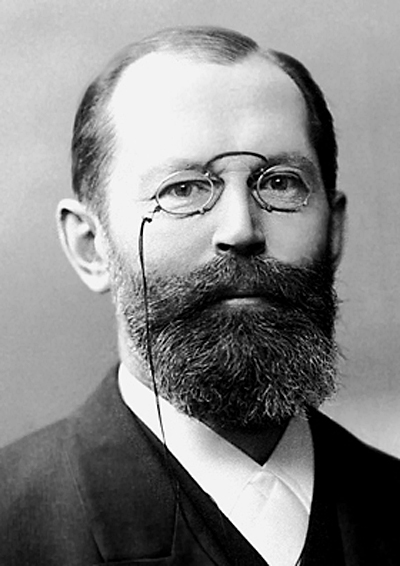
Emil Fischer, a German chemistry professor, and his assistant Rudolf Stahel isolated a new compound from beech wood chips in September 1890 and named it Xylit, the German word for xylitol. The… Read more.
-
Xylitol
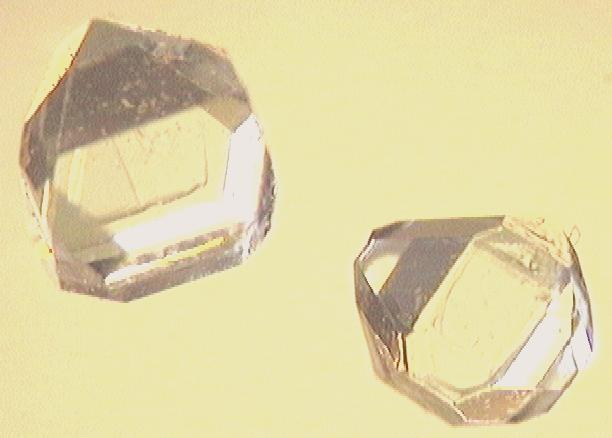
Xylitol is a chemical compound with the formula C5H12O5, or HO(CH2)(CHOH)3(CH2)OH; specifically, one particular stereoisomer with that structural formula. It is a colorless or white crystalline solid that is freely soluble in water. It can be classified as… Read more.