Biochemistry
-
Glycoside
In chemistry, a glycoside is a molecule in which a sugar is bound to another functional group via a glycosidic bond. Glycosides play numerous important roles in living organisms. Many plants store chemicals in the form of inactive glycosides. These… Read more.
-
A glucuronide, aka glucuronoside, is any substance produced by linking glucuronic acid to another substance via a glycosidic bond.
A glucuronide, also known as glucuronoside, is any substance produced by linking glucuronic acid to another substance via a glycosidic bond.[1] The glucuronides belong to the glycosides. Glucuronidation, the conversion of chemical compounds to glucuronides, is a… Read more.
-
Fischer-Fantuzzi L, Vesco C. Deletion of 43 amino acids in the NH2-terminal half of the large tumor antigen of simian virus 40 results in a non-karyophilic protein capable of transforming established cells. Proc Natl Acad Sci U S A. 1985
Abstract We have characterized a simian virus 40 (SV40) mutant, derived from the viral DNA insertion present in simian cell transformants, which carries a deletion affecting the NH2-terminal region of… Read more.
-
Mycoestrogens are xenoestrogens produced by fungi. They are sometimes referred to as mycotoxins.
Among important mycoestrogens are zearalenone, zearalenol and zearalanol. Although all of these can be produced by various Fusarium species, zearalenol and zearalanol may also be produced endogenously in ruminants that have ingested zearalenone. Alpha-zearalanol is also produced… Read more.
-
Metalloestrogens
Metalloestrogens are a class of inorganic xenoestrogens which can affect the gene expression of human cells responding to estrogen. Effects are related to the physiologic function of estrogen because metalloestrogens have shown affinity for estrogen receptors. Because they… Read more.
-
Proline and a few other notes
Proline (symbol Pro or P) is an organic acid classed as a proteinogenic amino acid (used in the biosynthesis of proteins), although it does not contain the amino group -NH2 but is rather a secondary amine. The secondary amine nitrogen is in… Read more.
-
Serine
Serine (symbol Ser or S) is an α-amino acid that is used in the biosynthesis of proteins. It contains an α-amino group (which is in the protonated −NH+3 form under biological conditions), a carboxyl group (which is in the deprotonated −COO− form under biological conditions),… Read more.
-
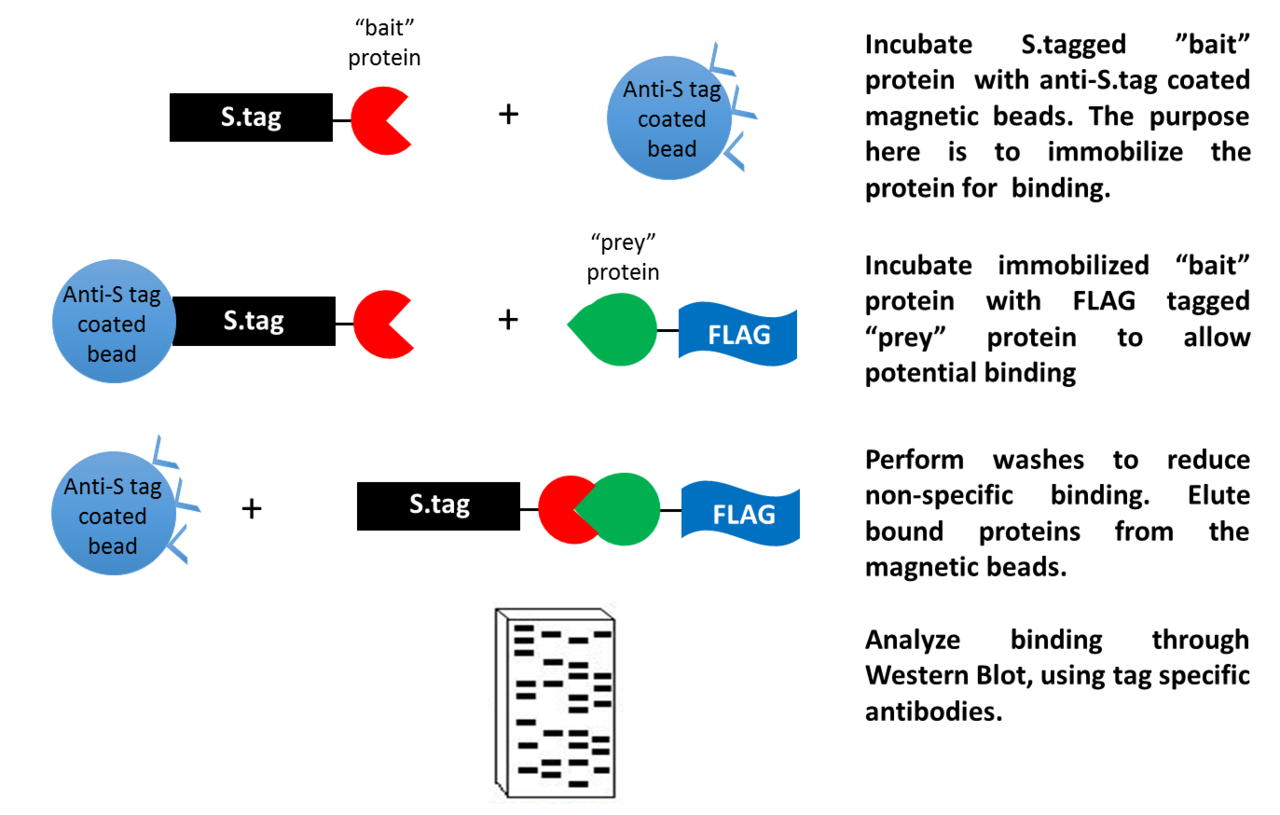
What is Immunoprecipitation (IP)?
Immunoprecipitation (IP) is a technique used to enrich protein antigens from a complex mixture using specific antibodies. To carry out an IP, antibodies must be coupled to a solid substrate,… Read more.
-
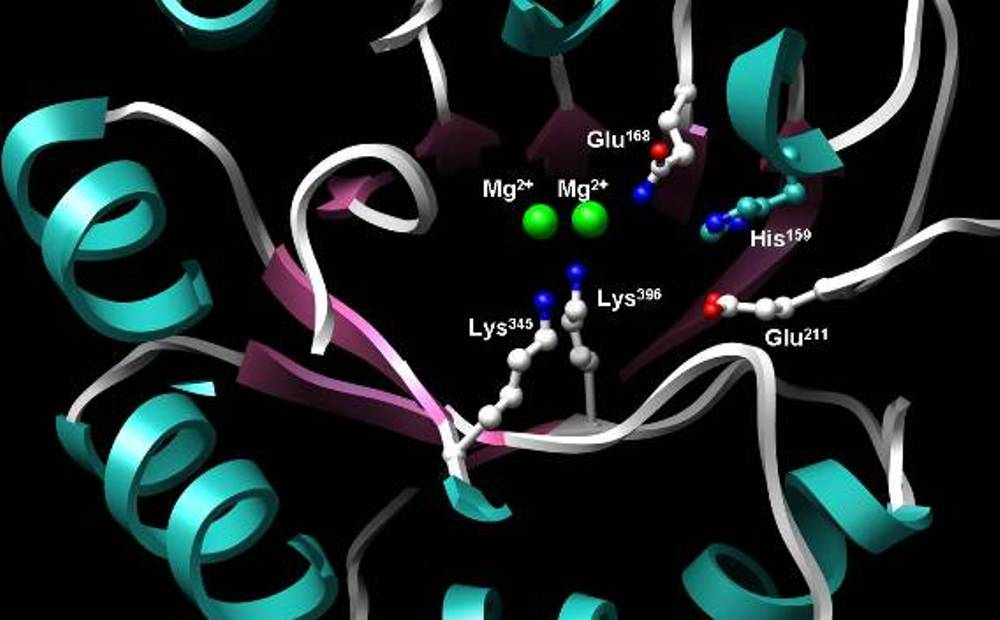
Phosphopyruvate hydratase, aka enolase, is a metalloenzyme that catalyses the conversion of 2-phosphoglycerate (2-PG) to phosphoenolpyruvate (PEP), the ninth and penultimate step of glycolysis
Phosphopyruvate hydratase, usually known as enolase, is a metalloenzyme (EC 4.2.1.11) that catalyses the conversion of 2-phosphoglycerate (2-PG) to phosphoenolpyruvate (PEP), the ninth and penultimate step of glycolysis. The chemical reaction is:2-phospho-D-glycerate ⇌ phosphoenolpyruvate + H2O Phosphopyruvate hydratase belongs to the family of lyases,… Read more.
-
Farnesol and Farnesene
Farnesol is a natural 15-carbon organic compound which is an acyclic sesquiterpene alcohol. Under standard conditions, it is a colorless liquid. It is hydrophobic, and thus insoluble in water, but miscible with oils. Farnesol is produced… Read more.