

Biology
-
Aliivibrio fischeri (aka Vibrio fischeri), a bioluminescent bacteria and a glowing squid
Aliivibrio fischeri (also called Vibrio fischeri) is a Gram-negative, rod-shaped bacterium found globally in marine environments. This species has bioluminescent properties, and is found predominantly in symbiosis with various marine animals, such as the Hawaiian bobtail squid. It is heterotrophic, oxidase-positive, and motile by means of a… Read more.
-
Tracheal cytotoxin (TCT) is a soluble piece of peptidoglycan (PGN) found in the cell wall of all gram-negative bacteria, but only some bacteria species release TCT including Bordetella pertussis, Vibrio fischeri, and Neisseria gonorrhoeae
Tracheal cytotoxin (TCT) is a 921 dalton glycopeptide released by Bordetella pertussis, Vibrio fischeri (as a symbiosis chemical), and Neisseria gonorrhoeae (among other peptidoglycan-derived cytotoxins it produces). It is a soluble piece of peptidoglycan (PGN) found in the cell wall of all gram-negative bacteria, but only some bacteria species… Read more.
-
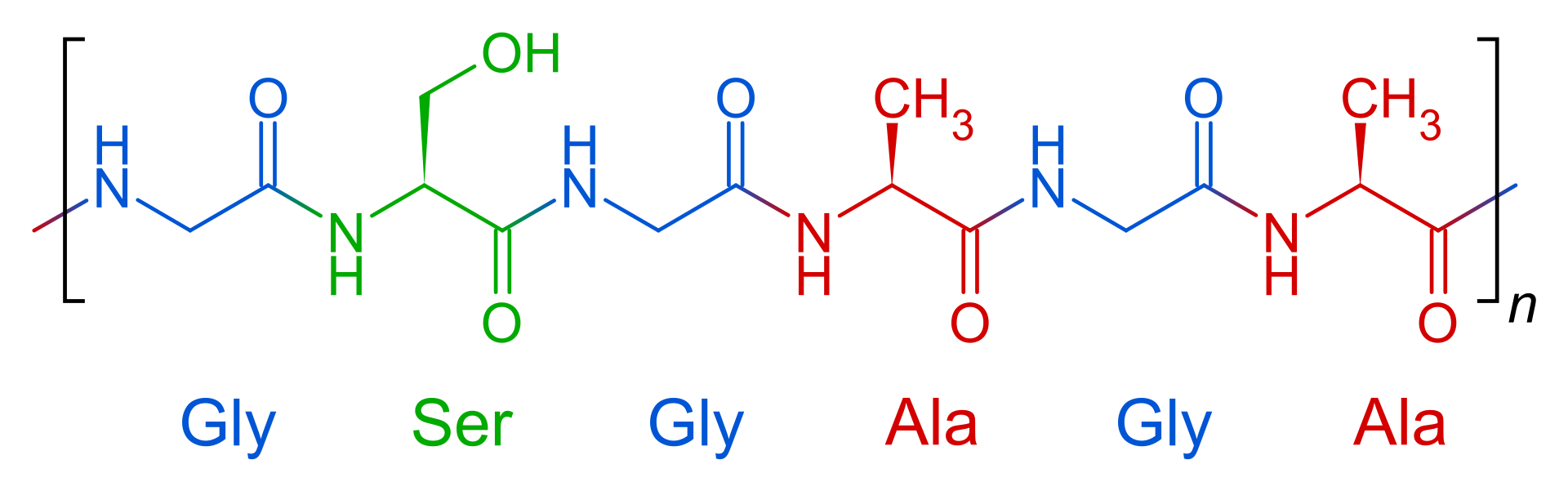
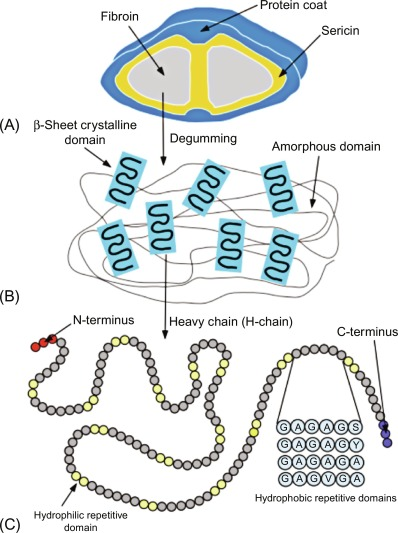
Fibroin- Insoluble Protein Present in Silk Produced by Numerous Insects
Fibroin is an insoluble protein present in silk produced by numerous insects, such as the larvae of Bombyx mori, and other moth genera such as Antheraea, Cricula, Samia and Gonometa. Silk in its raw state consists of two main proteins, sericin and fibroin,… Read more.
-
Sericin is a protein created by Bombyx mori (silkworms) in the production of silk
Silk is a fibre produced by the silkworm in production of its cocoon. It consists mainly of two proteins, fibroin and sericin. Silk consists of 70–80% fibroin and 20–30% sericin; fibroin being the… Read more.
-
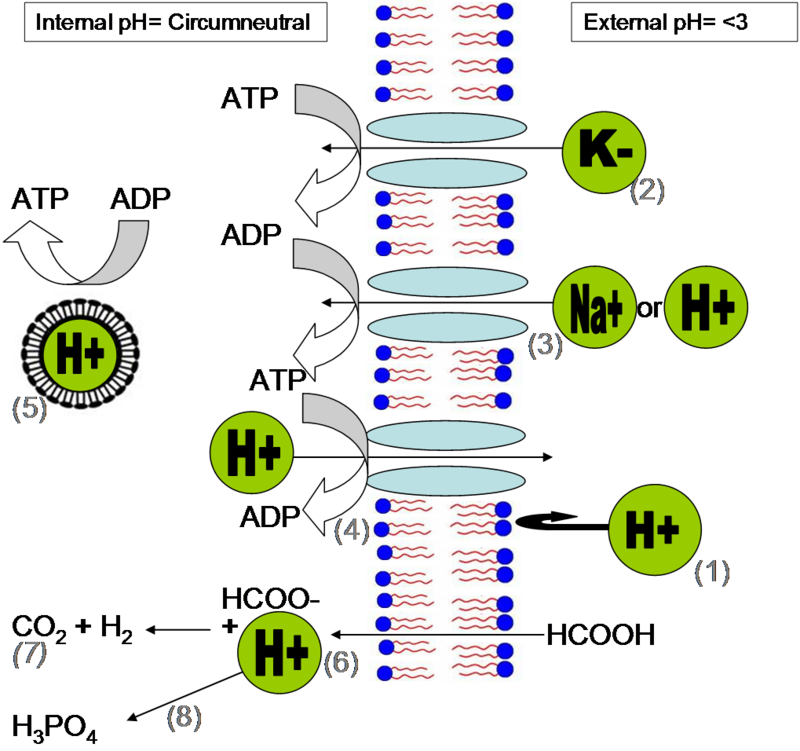
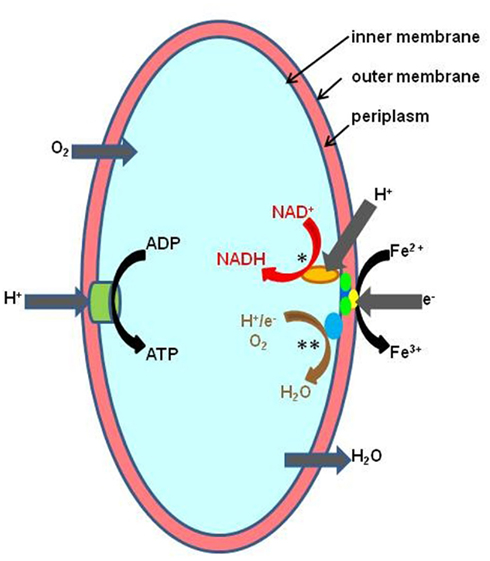
Acidophiles in acid mine drainage
The outflow of acidic liquids and other pollutants from mines is often catalysed by acid-loving microorganisms; these are the acidophiles in acid mine drainage. Acidophiles are not just present in exotic environments such as Yellowstone National… Read more.
-
Biomining or what I suspect “healthcare” (and much of the “food” industry) has been up to for a very, very long time
Biomining is the technique of extracting metals from ores and other solid materials typically using prokaryotes, fungi or plants (phytoextraction also known as phytomining or biomining). These organisms secrete different organic compounds that chelate metals from the… Read more.
-
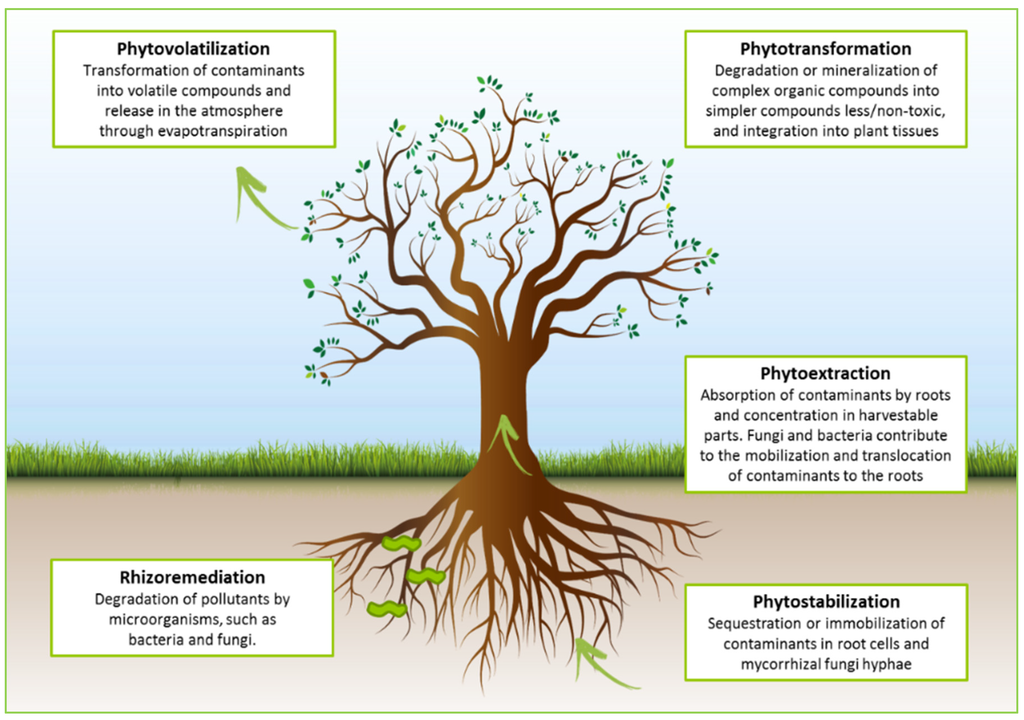
Phytoremediation is the use of green plants and the associated microorganisms to remove or render harmless toxic environmental contaminants
Phytoremediation technologies use living plants to clean up soil, air and water contaminated with hazardous contaminants. It is defined as “the use of green plants and the associated microorganisms, along with proper soil amendments… Read more.
-
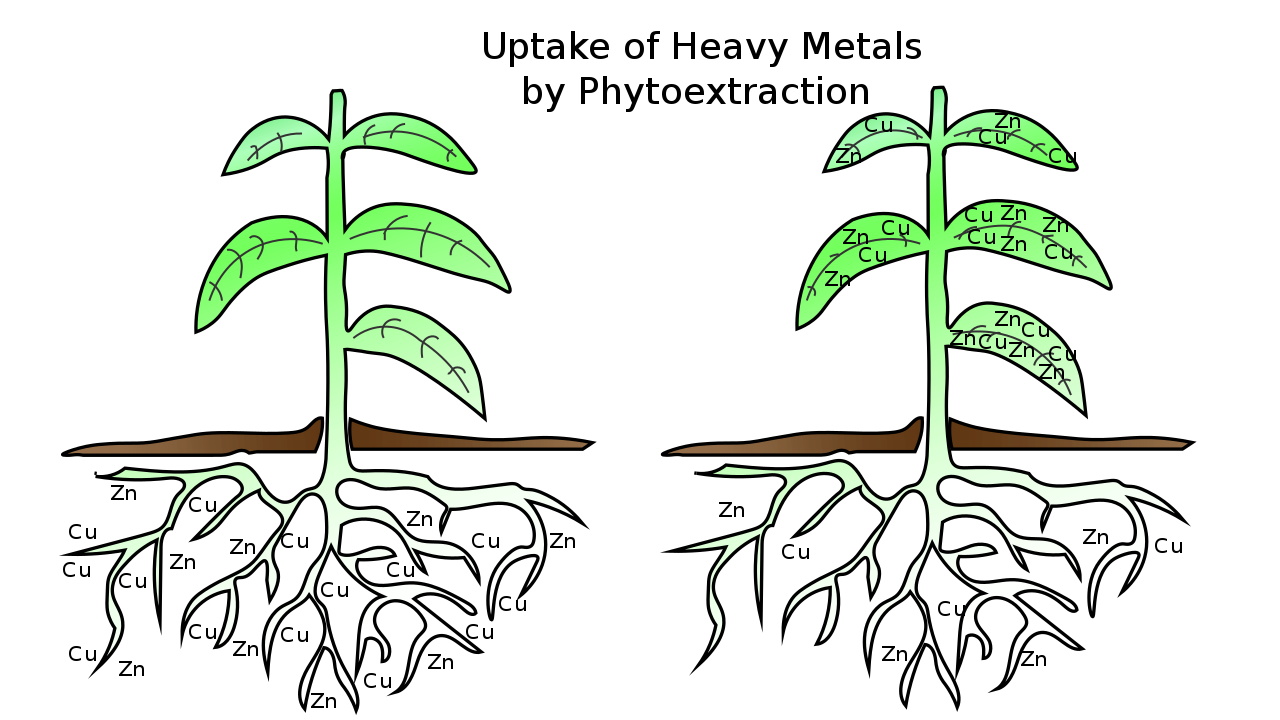
Phytoextraction Is the Removal of Dangerous Elements or Compounds From Soil or Water by Plants
Phytoextraction is a subprocess of phytoremediation in which plants remove dangerous elements or compounds from soil or water, most usually heavy metals, metals that have a high density and may be toxic to organisms… Read more.
-
Cupronickel or copper-nickel (CuNi) is an alloy of copper that contains nickel and strengthening elements, such as iron and manganese
The copper content typically varies from 60 to 90 percent. (Monel is a nickel-copper alloy that contains a minimum of 52 percent nickel.) Despite its high copper content, cupronickel is silver… Read more.
-
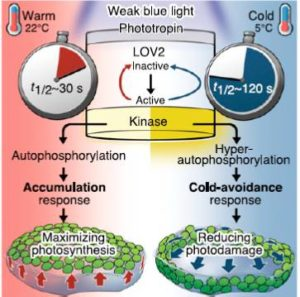
Phototropins are part of the phototropic sensory system in plants that causes various environmental responses in plants
Phototropins are photoreceptor proteins (more specifically, flavoproteins) that mediate phototropism responses in various species of algae, fungi and higher plants. Note: Flavoproteins are proteins that contain a nucleic acid derivative of riboflavin. These proteins are involved in a wide array of biological processes, including… Read more.