
Biology
-
Delftia acidovorans
Delftia acidovorans is a Gram-negative, motile, non-sporulating, rod-shaped bacterium known for its ability to biomineralize gold and bioremediation characteristics. Read more.
-
Cupriavidus metallidurans
C. metallidurans plays a vital role, together with Delftia acidovorans, in the formation of gold nuggets. It precipitates metallic gold from a solution of gold(III) chloride, a compound highly toxic… Read more.
-
The drug phencyclidine (PCP or ‘Angel Dust’) antagonizes glutamic acid non-competitively at the NMDA receptor
The drug phencyclidine (more commonly known as PCP or ‘Angel Dust’) antagonizes glutamic acid non-competitively at the NMDA receptor. For the same reasons, dextromethorphan and ketamine also have strong dissociative and hallucinogenic effects. Acute infusion of the drug LY354740 (also known as eglumegad, an agonist of the metabotropic glutamate… Read more.
-
Oxalyldiaminopropionic acid (ODAP) is a structural analogue of the neurotransmitter glutamate found in the grass pea Lathyrus sativus
Oxalyldiaminopropionic acid (ODAP) is a structural analogue of the neurotransmitter glutamate found in the grass pea Lathyrus sativus. It is the neurotoxin responsible for the motor neuron degeneration syndrome lathyrism. Woldeamanuel, Yohannes W.; Hassan, Anhar; Zenebe, Guta (2011-11-12). “Neurolathyrism: two… Read more.
-
The sweet pea is a flowering plant in the genus Lathyrus in the family Fabaceae (legumes) 🧪☣️☠️⚗️🤢
The sweet pea, Lathyrus odoratus, is a flowering plant in the genus Lathyrus in the family Fabaceae (legumes), native to Sicily, southern Italy and the Aegean Islands. It is an annual climbing plant, growing to a height of 1–2 metres (3 ft 3 in – 6 ft 7 in),… Read more.
-
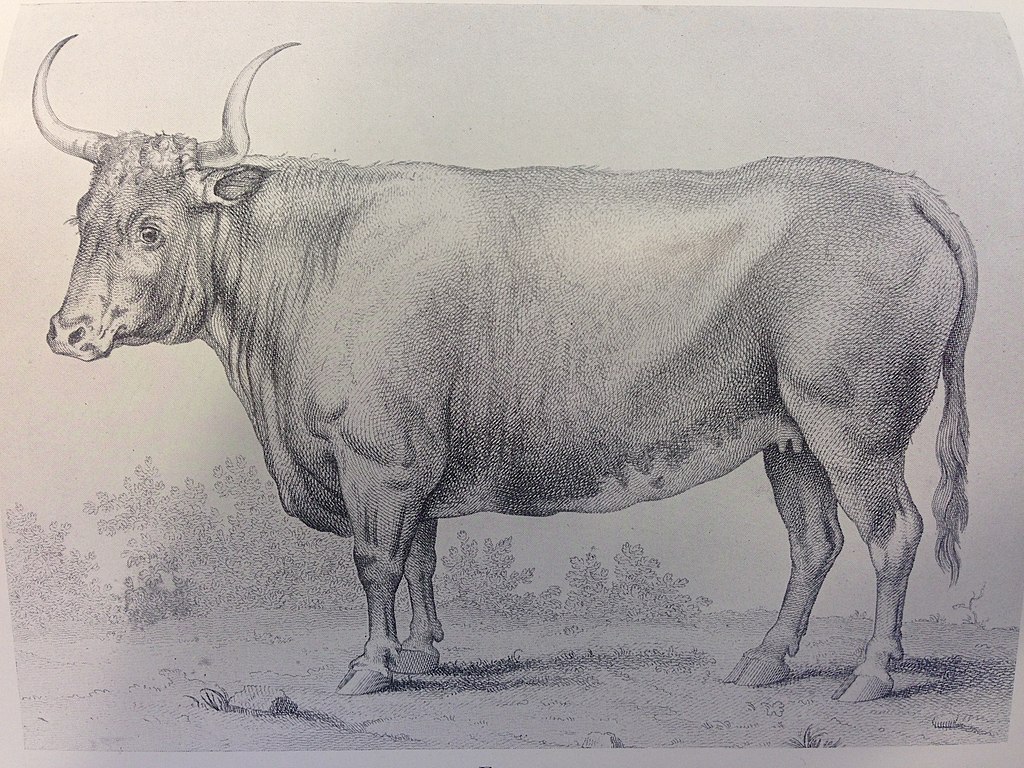
Freemartins
A freemartin or free-martin (sometimes martin heifer) is an infertile female cattle with masculinized behavior and non-functioning ovaries.[1] Phenotypically, the animal appears female, but various aspects of female reproductive development are altered due to acquisition of anti-Müllerian hormone from the male twin.[2] Genetically, the animal is chimeric: karyotypy of… Read more.
-
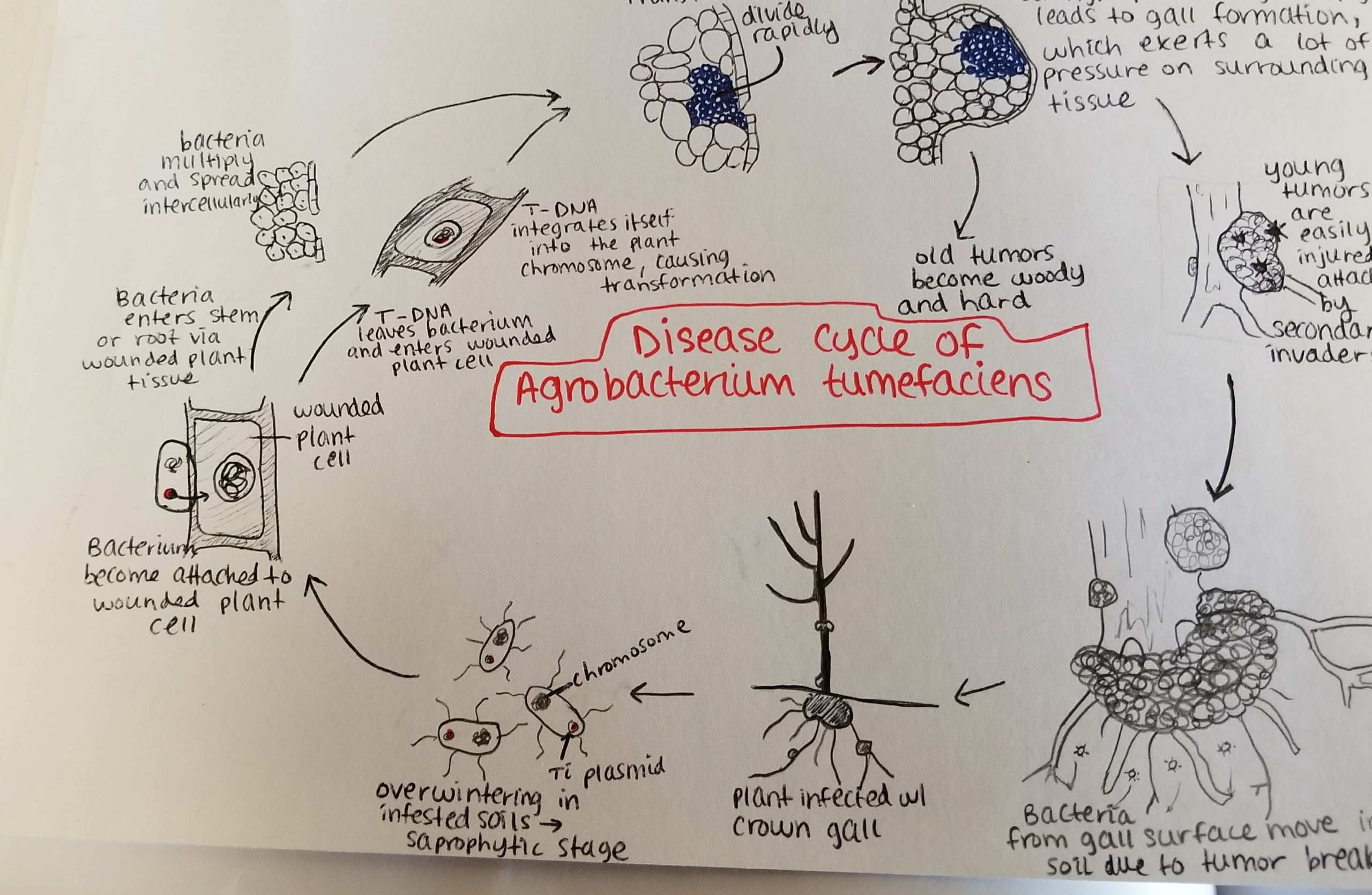
Bacterial diseases of hazelnut (Corylus avellana & Corylus spp.) and more
Bacterial blight Xanthomonas arboricola Scientific classification Domain: Bacteria Phylum: Pseudomonadota Class: Gammaproteobacteria Order: Xanthomonadales Family: Xanthomonadaceae Genus: Xanthomonas Species: X. arboricola Binomial name Xanthomonas arboricolaVauterin et al. 1995 Type strain ATCC 49083 Xanthomonas… Read more.
-
Filbertone
Filbertone is the principal flavor compound of hazelnuts. It is used in perfumery and is designated as generally recognized as safe (GRAS) for use in foods. Because filbertone is found in hazelnut oil, its presence can… Read more.