





Chemistry
-
What Is Nitrophenol? (Besides Something Mentioned in āScientific Opinion on the ReāEvaluation of Aspartame as a Food Additiveā)
Nitrophenols are compounds of the formula HOC6H5āx(NO2)x. The conjugate bases are called nitrophenolates. Nitrophenols are more acidic than phenol itself. Wikipedia Mono-nitrophenols with the formula HOC6H4NO2. Three isomeric nitrophenols exist: o-Nitrophenol (2-nitrophenol; OH and NO2 groups are neighboring;… Read more.
-
4-Nitrophenol mentioned in ‘Scientific Opinion on the reāevaluation of aspartame (E 951) as a food additive’ (2013)
3.2.6.2. Studies on the effect of aspartame administration on xenobiotic metabolising enzymesAn early study (E15, 1972) indicated that the oral administration of aspartame to male Charles River rats (2000-4000 mg/kg)… Read more.
-
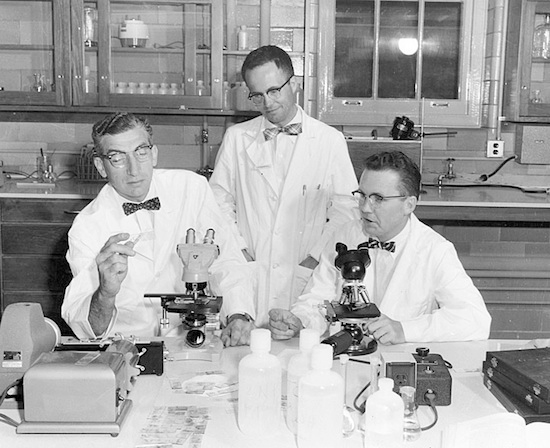
Aspartame was discovered by James M. Schlatter (1930 – 2019)
Lead chemist and developer of Aspartame used to make NutraSweet and Equal artificial sweeteners Read more.
-
Torunn Atteraas Garin (1947 – 2002)
Norwegian chemical engineer who helped develop aspartame sweetener as a sugar substitute while working for General Foods (1971-85) Read more.
-
Green synthesis of gold nanoparticles using aspartame and their catalytic activity for p-nitrophenol reduction
Wu S, Yan S, Qi W, Huang R, Cui J, Su R, He Z. Green synthesis of gold nanoparticles using aspartame and their catalytic activity for p-nitrophenol reduction. Nanoscale Res… Read more.
-
“People with a rare hereditary disease known as phenylketonuria (PKU) have a difficult time metabolizing phenylalanine, a component of aspartame, and should control their intake of phenylalanine from all sources, including aspartame.”
Aspartame is approved for use in food as a nutritive sweetener. Aspartame brand names include NutrasweetĀ®, EqualĀ®, and Sugar TwinĀ®. It does contain calories, but because it is about 200 times sweeter than table… Read more.
-
Experimental (induced) phenylketonuria in infant monkeys – A high phenylalanine diet produces abnormalities simulating those of the hereditary disease (1965)
Experimental phenylketonuria can be produced in infant monkeys by feeding excessive quantities of L-phenylalanine soon after birth. Both the phenylketonuric monkey and the phenylketonuric human patient have elevated plasma levels… Read more.
-
Long-Term Aspartame Administration Leads to Fibrosis, Inflammasome Activation, and Gluconeogenesis Impairment in the Liver of Mice
Simple Summary Aspartame is an artificial sweetener used in foods and beverages worldwide to prevent increasing obesity and diabetes mellitus, acting as a tool to help the control of caloric… Read more.