

Culture
-
Isaac Asimov’s Thiotimoline
Thiotimoline is a fictitious chemical compound conceived by American biochemist and science fiction author Isaac Asimov. Isaac Asimov (1920 – 1992) was an American writer and professor of biochemistry at Boston University. During his lifetime, Asimov was considered one of the… Read more.
-
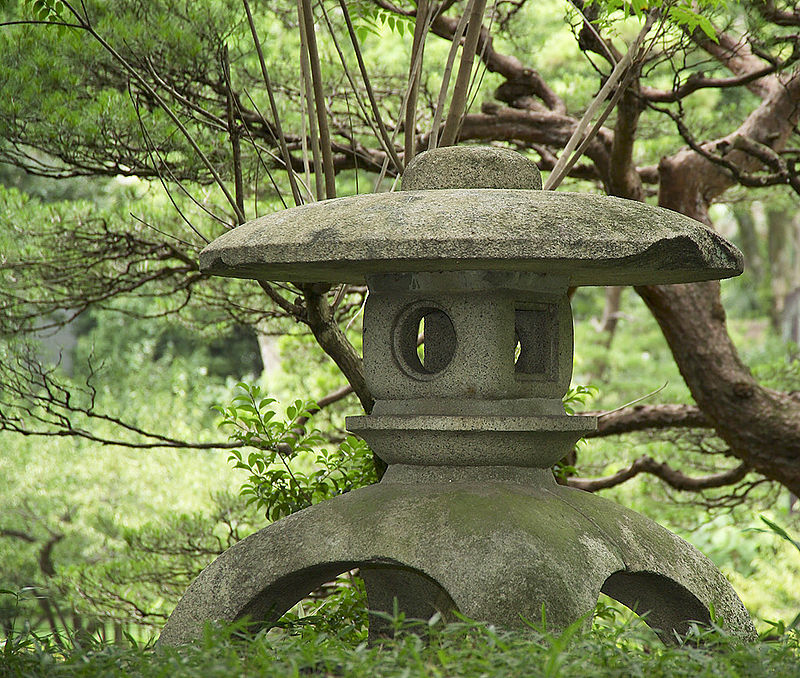
Stone lanterns
Stone lanterns (灯籠/灯篭/灯楼, Chinese: dēnglóng; Japanese: tōrō, meaning ‘light basket’, ‘light tower’)[a] are a type of traditional East Asian lantern made of stone, wood, or metal. Originating in China, stone lanterns spread to Japan,… Read more.
-
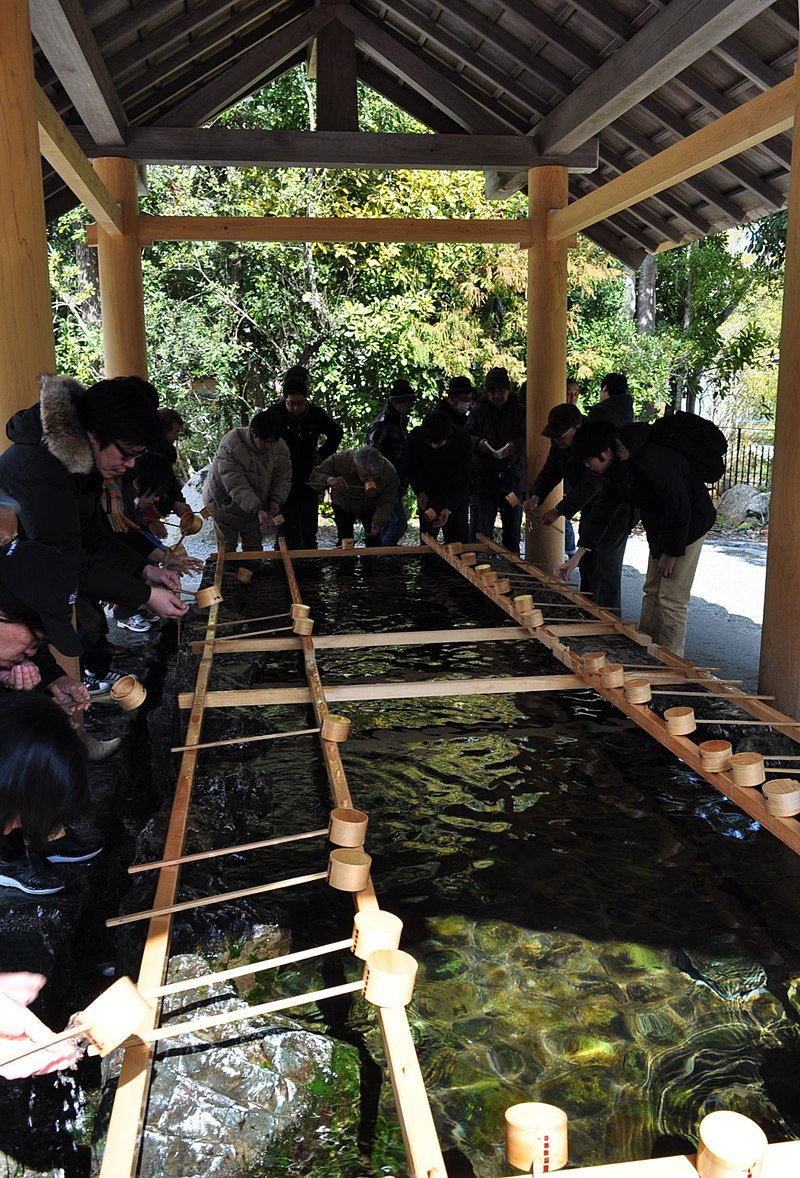
Chōzu-ya or temizu-ya is a Shinto water ablution pavilion
Chōzu-ya or temizu-ya (手水舎) is a Shinto water ablution pavilion for a ceremonial purification rite known as temizu or chōzu (手水, lit. ’hand-water’). The pavilion contains a large water-filled basin called a chōzubachi (手水鉢, lit. ’hand water basin’). At shrines, these chōzubachi, are used by worshippers for washing their… Read more.
-
The act of washing the hands can also be considered as playing the suikinkutsu
A suikinkutsu (水琴窟, literally “water piano cave” in original Chinese or “water zither cave” in Japanese) is a type of Japanese garden ornament and music device. It consists of an upside down buried pot with… Read more.
-
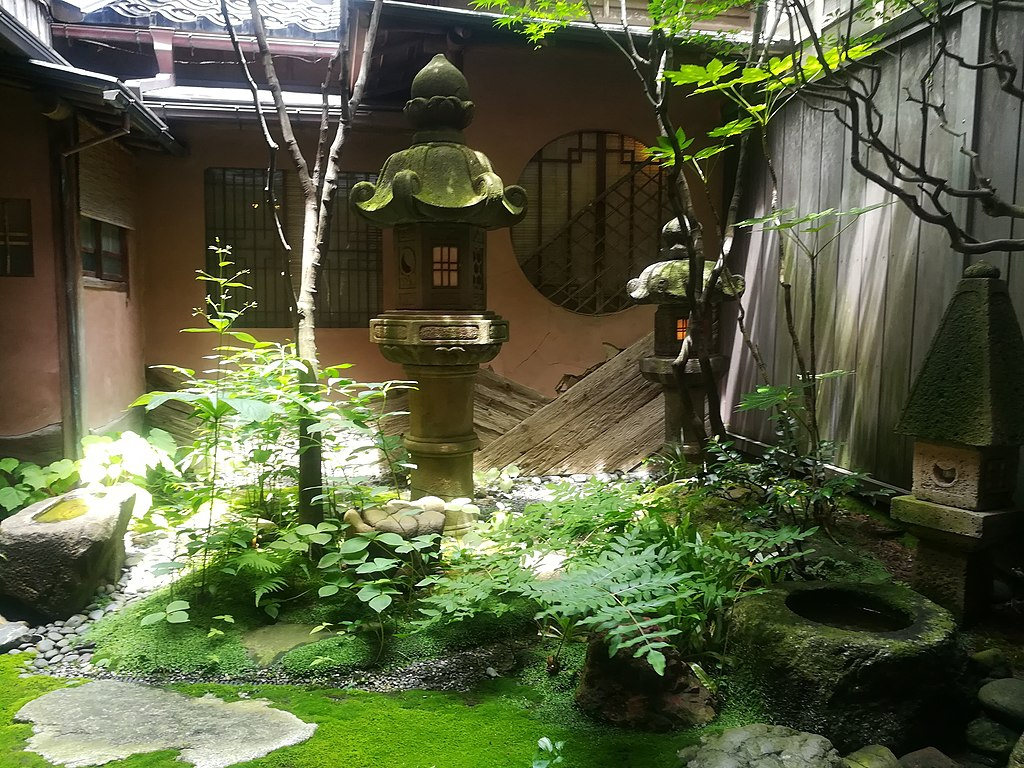
Tsubo-niwa have been described as “quasi-indoor gardens”
A tsubo-niwa (坪庭/壷庭/つぼにわ) is a type of very small garden in Japan. The term tsuboniwa stems from tsubo (坪), a unit of measurement (equal to 1×1 ken, the size of two tatami, roughly 3.3 square metres (36 sq ft)), and niwa, meaning “garden”. Other spellings of tsubo-niwa translate… Read more.
-
The roji is usually divided into an outer and inner garden
Roji (露地), lit. ‘dewy ground’, is the Japanese term used for the garden through which one passes to the chashitsu for the tea ceremony. The roji generally cultivates an air of simplicity. Development Sen no Rikyū is said to have… Read more.
-
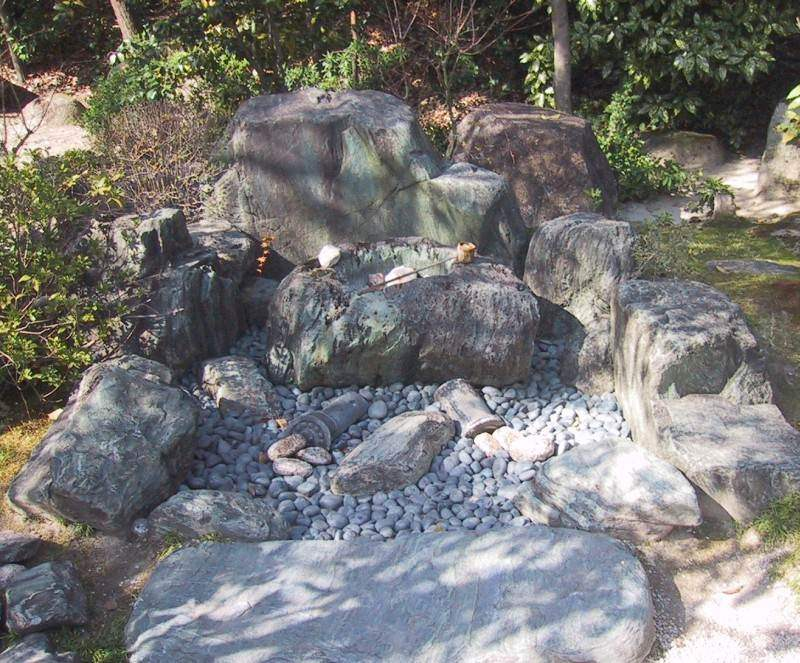
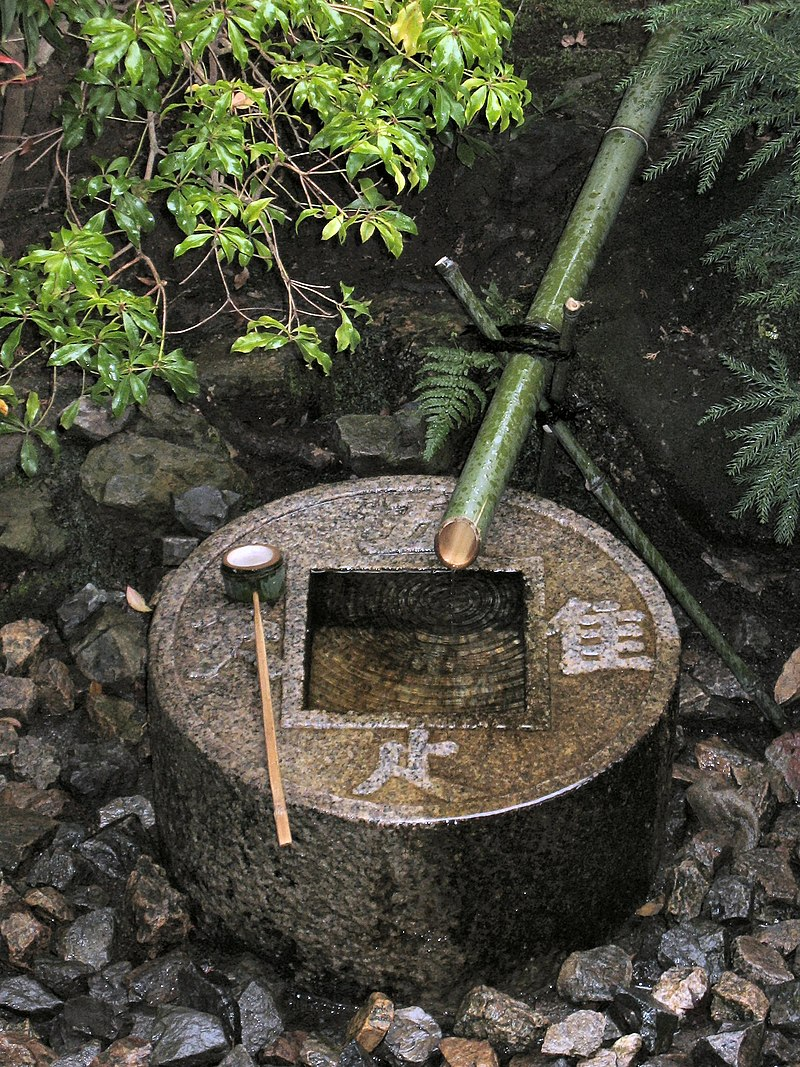
Tsukubai, a washbasin provided at the entrance to a holy place
In Japan, a tsukubai (蹲踞) is a washbasin provided at the entrance to a holy place for visitors to purify themselves by the ritual washing of hands and rinsing of the mouth. This type… Read more.
-
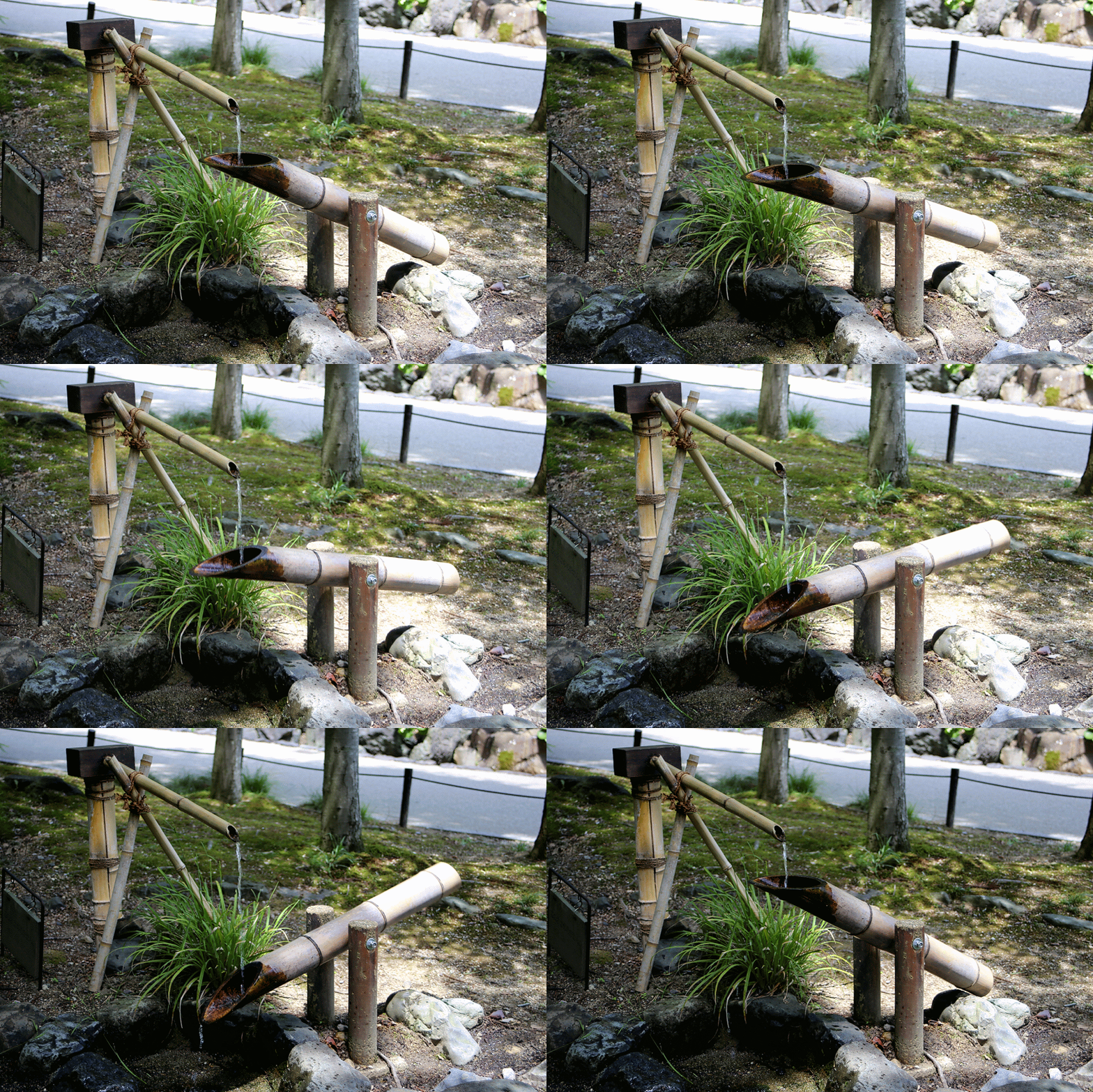
Shishi-odoshi
Shishi-odoshi (鹿威し) (literally, “deer-frightening” or “boar-frightening”), in a wide sense, refers to Japanese devices made to frighten away animals that pose a threat to agriculture, including kakashi (scarecrows), naruko (clappers) and sōzu. In a narrower sense, it is synonymous with sōzu.… Read more.
-
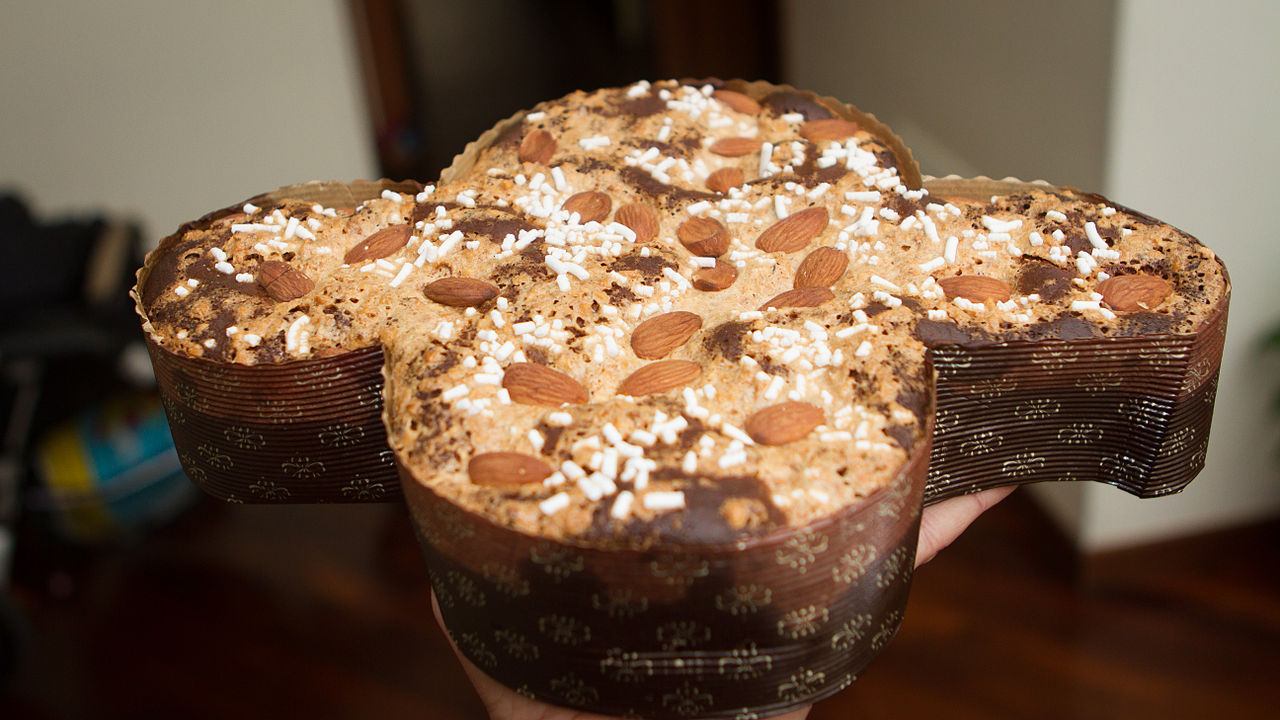
Colomba pasquale, Italian Easter bread
Colomba pasquale [koˈlomba paˈskwaːle] or colomba di Pasqua [koˈlomba di ˈpaskwa] (“Easter Dove” in English) is an Italian traditional Easter bread, the counterpart of the two well-known Italian Christmas desserts, panettone and pandoro. The dough for the colomba is made in a similar… Read more.