Mythology
-
Plutus Notes
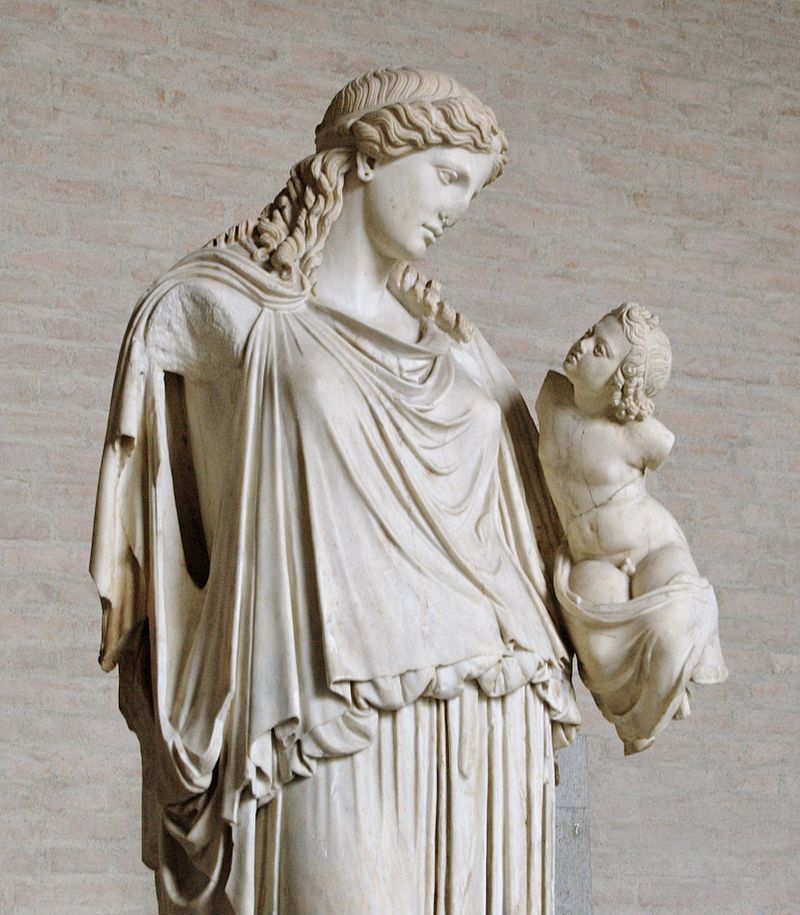
In ancient Greek religion and mythology, Plutus (PloĂťtos, lit. “wealth”) is the god and the personification of wealth, and the son of the goddess of agriculture Demeter and the mortal Iasion. Family Plutus is most commonly the son of Demeter and Iasion, with whom she lay in a… Read more.
-
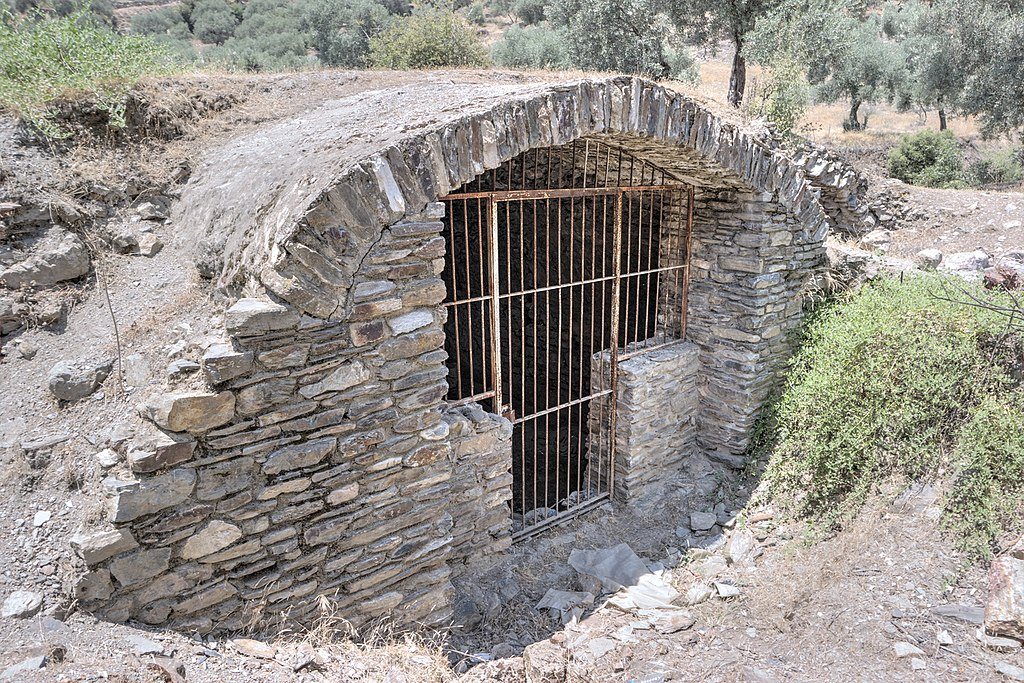
Acharaca was a village of ancient Lydia with a Ploutonion or a temple of Pluto and a cave named Charonium
Acharaca was a village of ancient Lydia, Anatolia on the road from Tralles (modern AydÄąn, Turkey) to Nysa on the Maeander, with a Ploutonion or a temple of Pluto, and a cave, named Charonium (Ancient Greek: ΧιĎĎνξΚον ΏνĎĎον), where the… Read more.
-
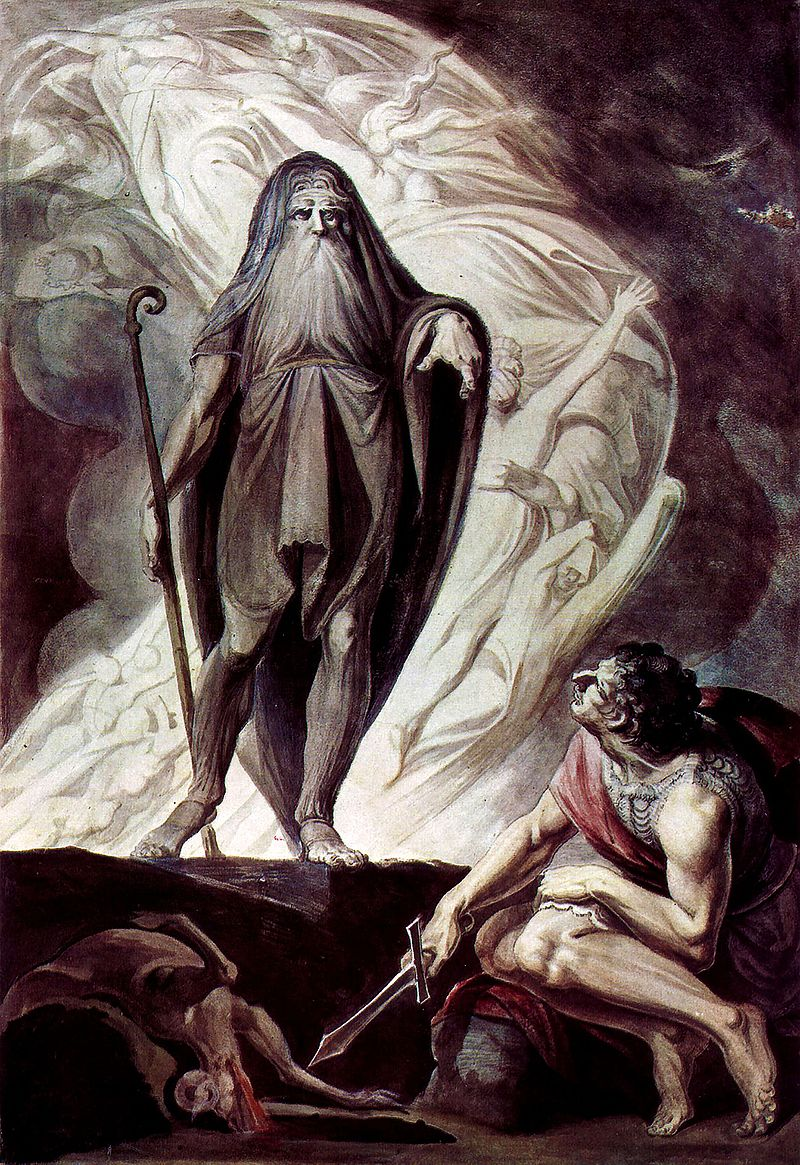
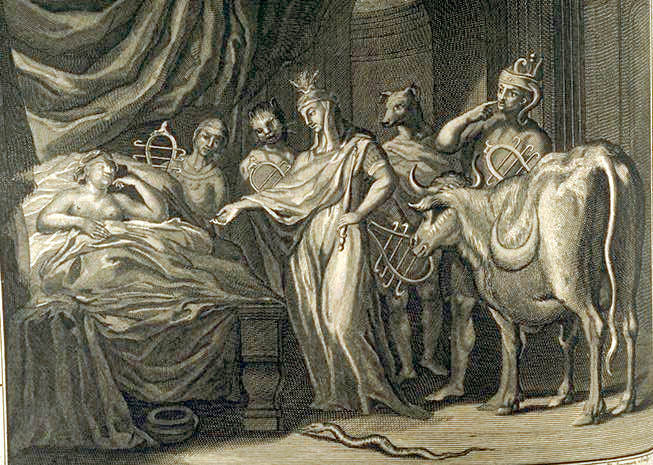
Tiresias, Blind Prophet Transformed into a Woman for Seven Years
In Greek mythology, Tiresias was a blind prophet of Apollo in Thebes, famous for clairvoyance and for being transformed into a woman for seven years. He was the son of the shepherd Everes and the nymph Chariclo. Tiresias participated fully in seven generations in Thebes,… Read more.
-
In Greek mythology, Leucippus is notable for a magical gender transformation
In Greek mythology, Leucippus (Ancient Greek: ÎÎľĎκΚĎĎοϠLeukippos, “white horse”) was a young man of Phaestus, Crete. Leucippus was born to Lamprus, the son of Pandion, and Galatea, daughter of Eurytius the son of Sparton. He is notable for having… Read more.
-
Iphis Notes
In Greek and Roman mythology, Iphis or Iphys was a child of Telethusa and Ligdus in Crete, born female and raised male, who was later transformed by the goddess Isis into a man. (/ËaÉŞfÉŞs/ EYE-fis, /ËÉŞfÉŞs/ IF-iss; Ancient Greek: áźžĎÎšĎ Ăphis [Ăi.pʰis], gen. áźźĎÎšÎ´ÎżĎ ÄŞĚphidos) Mythology According to the Roman poet Ovid‘s Metamorphoses,… Read more.
-
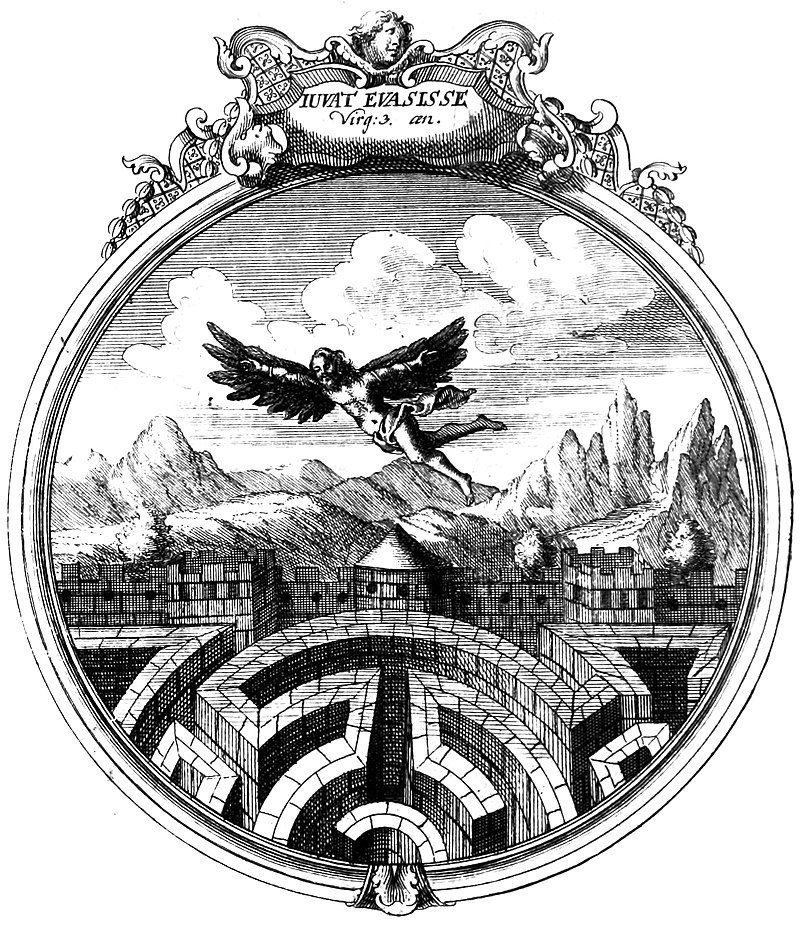
Daedalus (Greek Mythology)
In Greek mythology, Daedalus (Greek: ÎιίδιΝοĎ; Latin: Daedalus; Etruscan: Taitale) was a skillful architect and craftsman, seen as a symbol of wisdom, knowledge and power. He is the father of Icarus, the uncle of Perdix, and possibly also the… Read more.
-
In Classical Greek Mythology, Syrinx Was a Nymph and a Follower of Artemis
Syrinx was a beautiful wood nymph who had many times attracted the attention of satyrs, and fled their advances in turn. She worshipped Artemis, the goddess of wilderness, and had like… Read more.
-
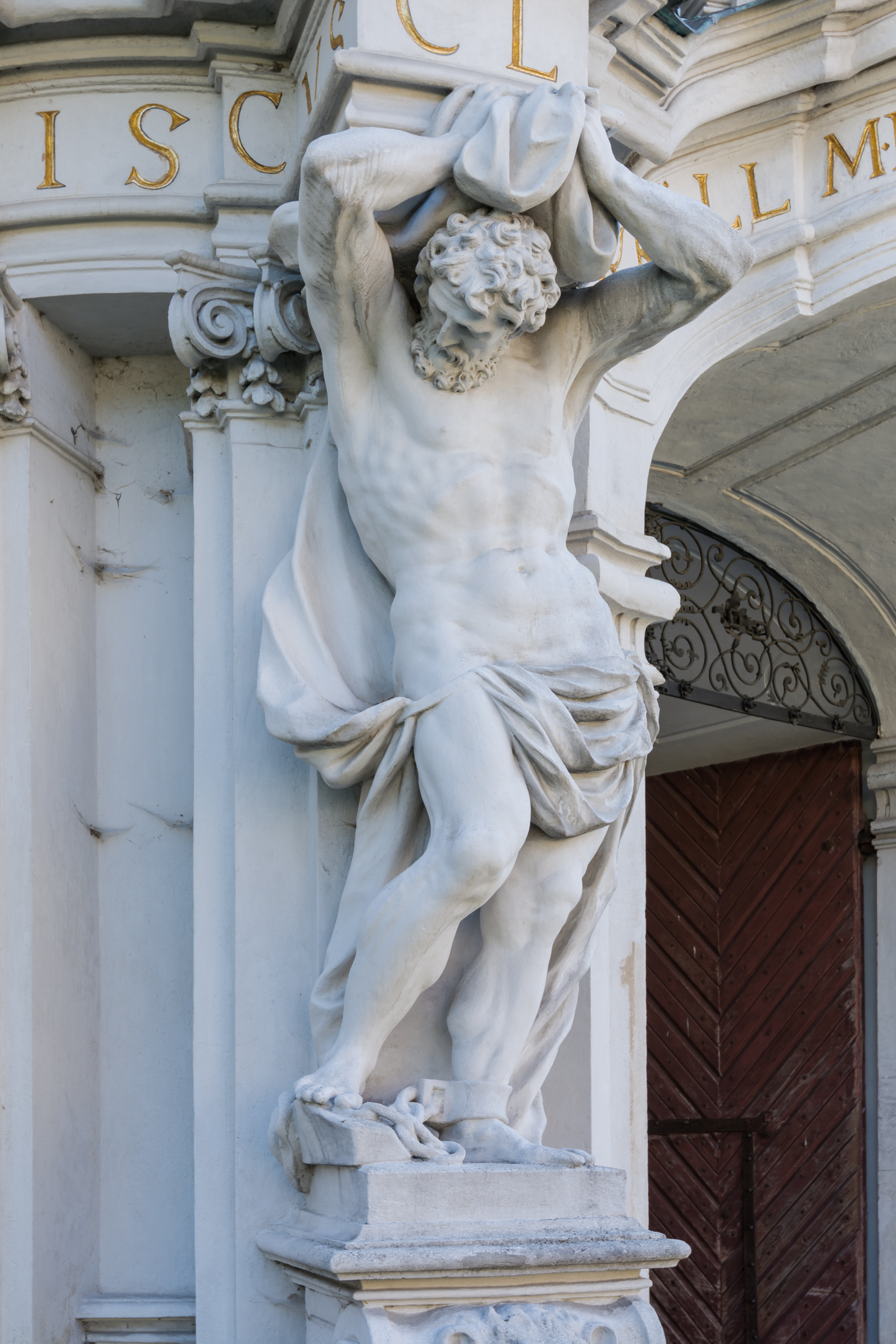
Atlantes (architecture)
In European architectural sculpture, an atlas (also known as an atlant, or atlante or atlantid; plural atlantes) is a support sculpted in the form of a man, which may take the place of a column, a pier or a pilaster. The Roman term… Read more.
-
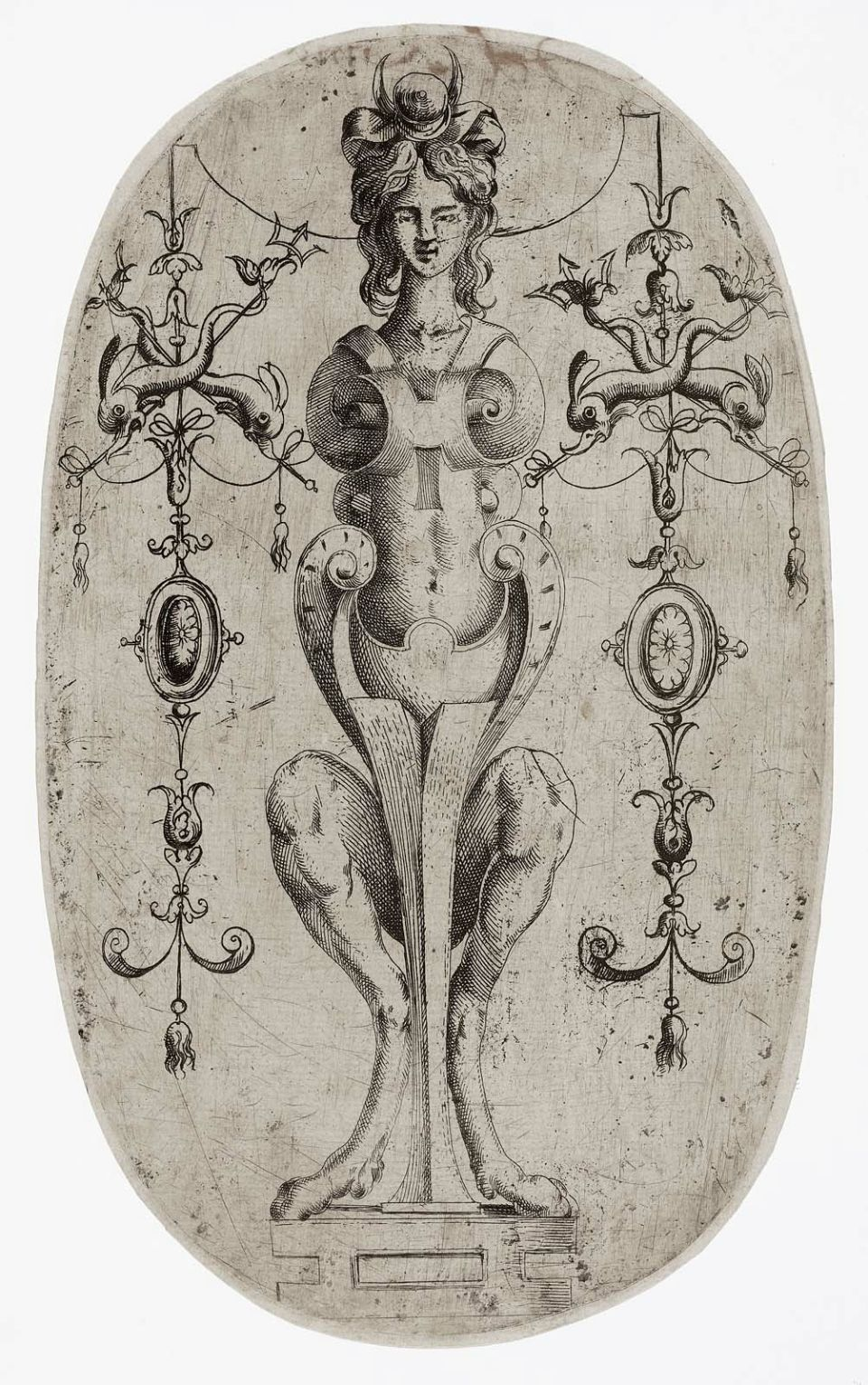
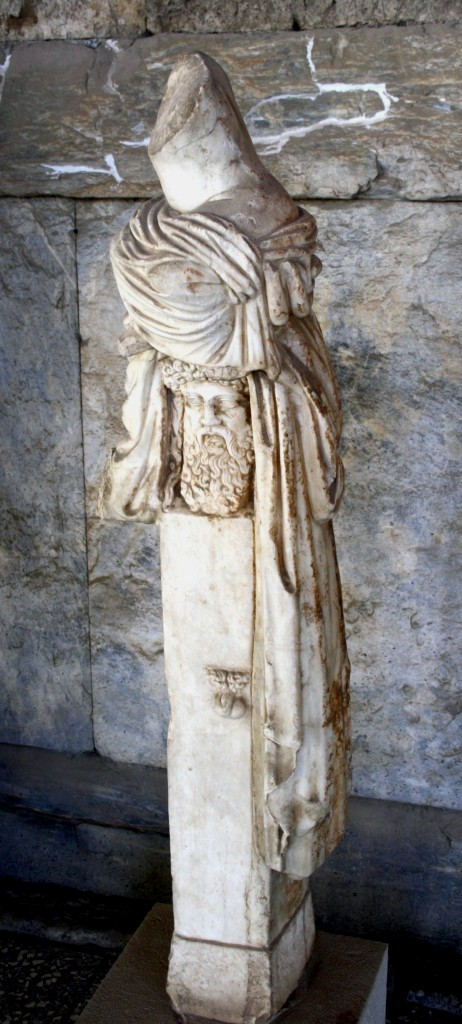
Terms, not to be confused with Herms…sometimes (architecture)
In Classical architecture and in art a term or terminal figure (plural: terms or termini) is a human head and bust that continues down as a square tapering pillar-like form. It is usually distinguished from a herm, which has a… Read more.
-
Statue of Hermes (five fables)
There are five fables of ancient Greek origin that deal with the statue of Hermes. All have been classed as burlesques that show disrespect to the god involved and some scepticism concerning… Read more.