Mythology
-
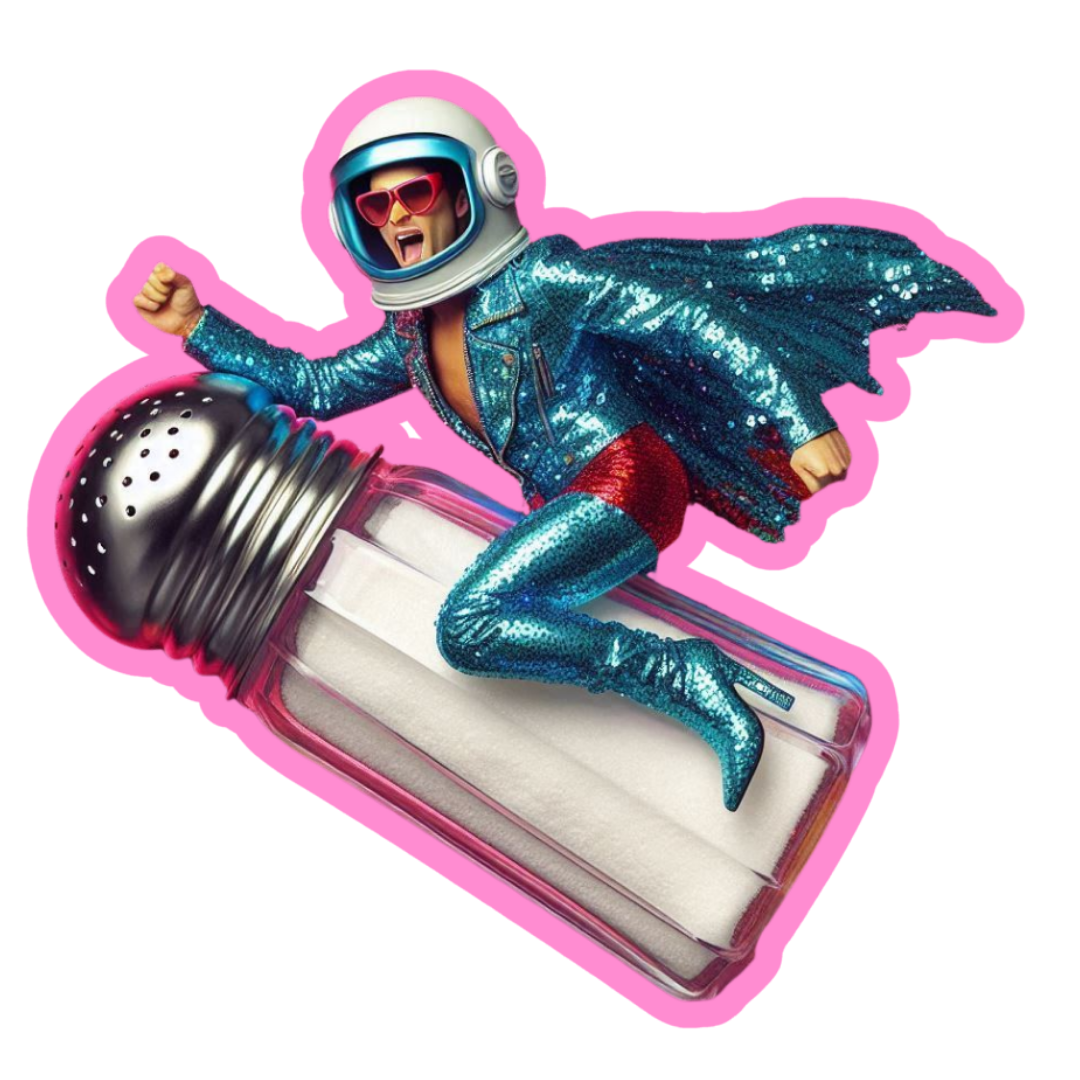
Plutus Notes
In ancient Greek religion and mythology, Plutus (Ploûtos, lit. “wealth”) is the god and the personification of wealth, and the son of the goddess of agriculture Demeter and the mortal Iasion. Family Plutus is most commonly the son of Demeter and Iasion, with whom she lay in a thrice-ploughed field. He is alternatively the son of the fortune goddess Tyche. Two ancient depictions of Plutus, one of him as a little boy standing with…
-
Acharaca was a village of ancient Lydia with a Ploutonion or a temple of Pluto and a cave named Charonium
Acharaca was a village of ancient Lydia, Anatolia on the road from Tralles (modern Aydın, Turkey) to Nysa on the Maeander, with a Ploutonion or a temple of Pluto, and a cave, named Charonium (Ancient Greek: Χαρώνειον άντρον), where the sick were healed under the direction of the priests. There is some indication that it once bore the name Charax (Χάραξ), but that name may have belonged to…
-
Tiresias, Blind Prophet Transformed into a Woman for Seven Years
In Greek mythology, Tiresias was a blind prophet of Apollo in Thebes, famous for clairvoyance and for being transformed into a woman for seven years. He was the son of the shepherd Everes and the nymph Chariclo. Tiresias participated fully in seven generations in Thebes, beginning as advisor to Cadmus himself. Mythology Eighteen allusions to mythic Tiresias, noted by Luc Brisson, fall into three groups: the first recounts Tiresias’ sex-change episode and later his…
-
In Greek mythology, Leucippus is notable for a magical gender transformation
In Greek mythology, Leucippus (Ancient Greek: Λεύκιππος Leukippos, “white horse”) was a young man of Phaestus, Crete. Leucippus was born to Lamprus, the son of Pandion, and Galatea, daughter of Eurytius the son of Sparton. He is notable for having underwent a magical gender transformation by the will of the goddess Leto. Due to his transition from female to male, Leucippus can be considered a transgender male figure in Greek mythology.…
-
Iphis Notes
In Greek and Roman mythology, Iphis or Iphys was a child of Telethusa and Ligdus in Crete, born female and raised male, who was later transformed by the goddess Isis into a man. (/ˈaɪfɪs/ EYE-fis, /ˈɪfɪs/ IF-iss; Ancient Greek: Ἶφις Îphis [íi.pʰis], gen. Ἴφιδος Ī́phidos) Mythology According to the Roman poet Ovid‘s Metamorphoses, there was a humbly born, but well-respected, man named Ligdus who lived in Phaestus with his pregnant wife, Telethusa. Ligdus said he wished for two things: that his…
-
Daedalus (Greek Mythology)
In Greek mythology, Daedalus (Greek: Δαίδαλος; Latin: Daedalus; Etruscan: Taitale) was a skillful architect and craftsman, seen as a symbol of wisdom, knowledge and power. He is the father of Icarus, the uncle of Perdix, and possibly also the father of Iapyx. Among his most famous creations are the wooden cow for Pasiphaë, the Labyrinth for King Minos of Crete which imprisoned the Minotaur, and wings that he and his son Icarus used…
-
In Classical Greek Mythology, Syrinx Was a Nymph and a Follower of Artemis
Syrinx was a beautiful wood nymph who had many times attracted the attention of satyrs, and fled their advances in turn. She worshipped Artemis, the goddess of wilderness, and had like her vowed to remain a virgin for all time. Pursued by the amorous god Pan, she ran to a river’s edge and asked for assistance from…
-
Atlantes (architecture)
In European architectural sculpture, an atlas (also known as an atlant, or atlante or atlantid; plural atlantes) is a support sculpted in the form of a man, which may take the place of a column, a pier or a pilaster. The Roman term for such a sculptural support is telamon (plural telamones or telamons). The term atlantes is the Greek plural of the name Atlas—the Titan who was forced to hold the sky on his…
-
Terms, not to be confused with Herms…sometimes (architecture)
In Classical architecture and in art a term or terminal figure (plural: terms or termini) is a human head and bust that continues down as a square tapering pillar-like form. It is usually distinguished from a herm, which has a head and shoulders only, but the two words may be used rather loosely and interchangeably. The god Terminus was the Etruscan and Roman deity of boundaries, and classical…
-
Statue of Hermes (five fables)
There are five fables of ancient Greek origin that deal with the statue of Hermes. All have been classed as burlesques that show disrespect to the god involved and some scepticism concerning the efficacy of religious statues as objects of worship. Statues of Hermes differed according to function and several are referenced in these stories. Only one…
Recent Posts
- TON vs. Equal Protection: Why TON Is the Deeper Structural Rule
- Why “Money Talks” Survives TON Scrutiny, but Citizens United and Lobbying Do Not
- Corporate Persons Are Unholy Vampires and TON Is a Stake in the Heart
- TON Crushes the 13th Amendment’s Slavery Exception
- The Titles of Nobility Clauses Are Screaming and Nobody Is Listening
Tags
alchemy anthropology apothecary archaeology art biochemistry biography biology chemistry civil rights cosmetic craft crystallography culture domestic domestic craft ecology economics endocrinology entomology folklore geology hazel history immunology ingredients law materials science medicine mythology neurology pantry philosophy physiology politics recipes religion reproduction salt seasonal symbolism systems theory TON toxicology winter