Physiology
-
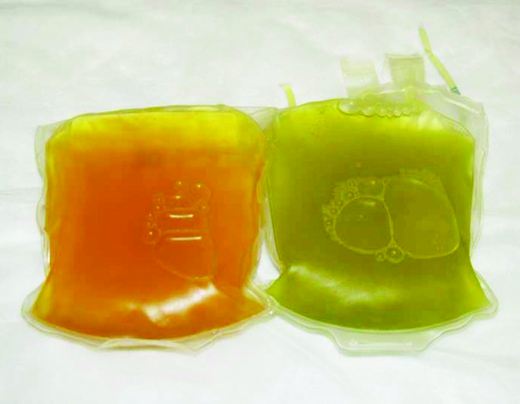
Wolf P, Enlander D, Dalziel J, Swanson J. Green plasma in blood donors. N Engl J Med. 1969 Jul 24;281(4):205. doi: 10.1056/NEJM196907242810407. PMID: 5790495.
ABSTRACT: Recently we have noticed that many plasmas in female blood donors have been extremely green. A green plasma in a unit of blood usually suggests the presence of a… Read more.
-
Tovey LA, Lathe GH. Caeruloplasmin and green plasma in women taking oral contraceptives, in pregnant women, and in patients with rheumatoid arthritis. Lancet. 1968 Sep 14;2(7568):596-600. PMID: 4175158.
ABSTRACT: Of blood donations reaching the Leeds Regional Blood Transfusion Laboratory about 1% have green plasma. Most of these come from women taking oral contraceptives, who constitute about 6% of… Read more.
-
Ceruloplasmin carries more than 95% of the total copper in healthy human plasma and in addition plays a role in iron metabolism. It was first described in 1948.
Ceruloplasmin (or caeruloplasmin) is a ferroxidase enzyme that in humans is encoded by the CP gene. Ceruloplasmin is the major copper-carrying protein in the blood, and in addition plays a role in iron metabolism. It was first described in… Read more.
-
Deficiency of Adenosine deaminase 2 (DADA2)
Deficiency of Adenosine deaminase 2 (DADA2) is a monogenic disease associated with systemic inflammation and vasculopathy that affects a wide variety of organs in different patients. As a result, it is hard to characterize a patient with… Read more.
-
Adenosine deaminase deficiency (ADA deficiency) was discovered in 1972 and recognized as the first immunodeficiency disorder
Adenosine deaminase deficiency (ADA deficiency) is a metabolic disorder that causes immunodeficiency. It is caused by mutations in the ADA gene. It accounts for about 10–15% of all cases of autosomal recessive forms of severe combined immunodeficiency (SCID) among non-inbred populations.… Read more.
-
Adenosine
Adenosine (symbol A) is an organic compound that occurs widely in nature in the form of diverse derivatives. The molecule consists of an adenine attached to a ribose via a β-N9–glycosidic bond. Adenosine is one of the four nucleoside building… Read more.
-
Opioid growth factor receptor
Opioid growth factor receptor, also known as OGFr or the ζ-opioid receptor, is a protein which in humans is encoded by the OGFR gene. The protein encoded by this gene is a receptor for opioid growth factor (OGF), also… Read more.
-
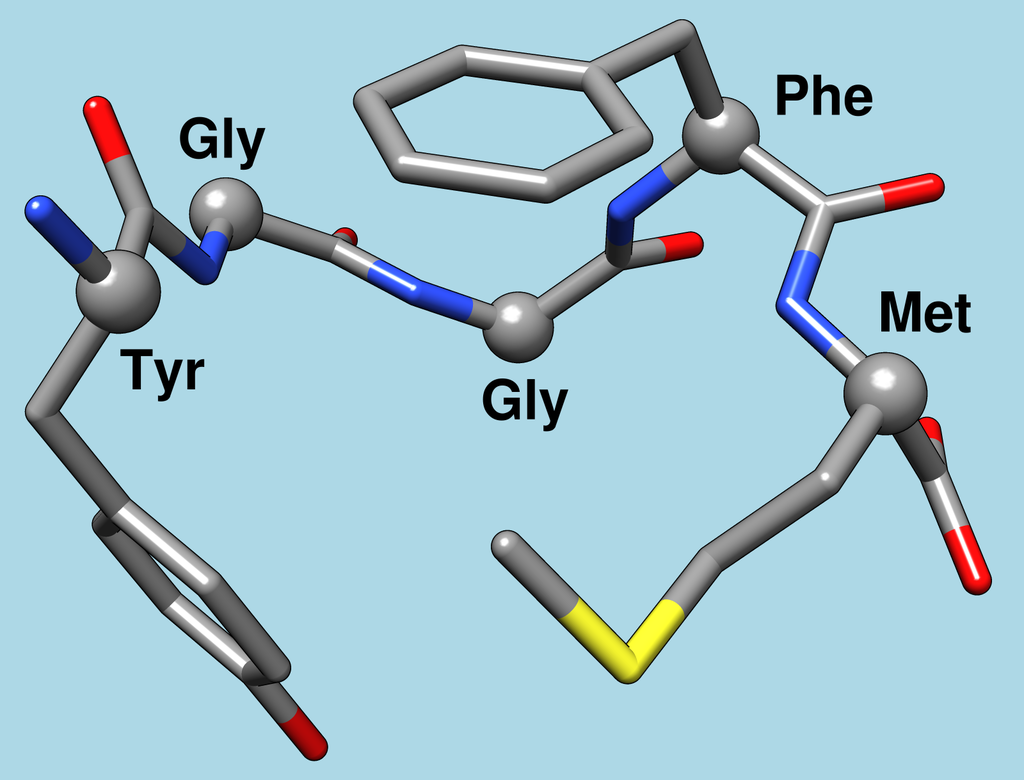
Leu-enkephalin and Met-enkephalin
Leu-enkephalin is an endogenous opioid peptide neurotransmitter with the amino acid sequence Tyr-Gly-Gly-Phe-Leu that is found naturally in the brains of many animals, including humans. It is one of the two forms of enkephalin; the other is met-enkephalin. The tyrosine residue… Read more.
-
Enkephalins
An enkephalin is a pentapeptide involved in regulating nociception (pain sensation) in the body. The enkephalins are termed endogenous ligands, as they are internally derived and bind to the body’s opioid receptors. Discovered in 1975, two forms of… Read more.
-
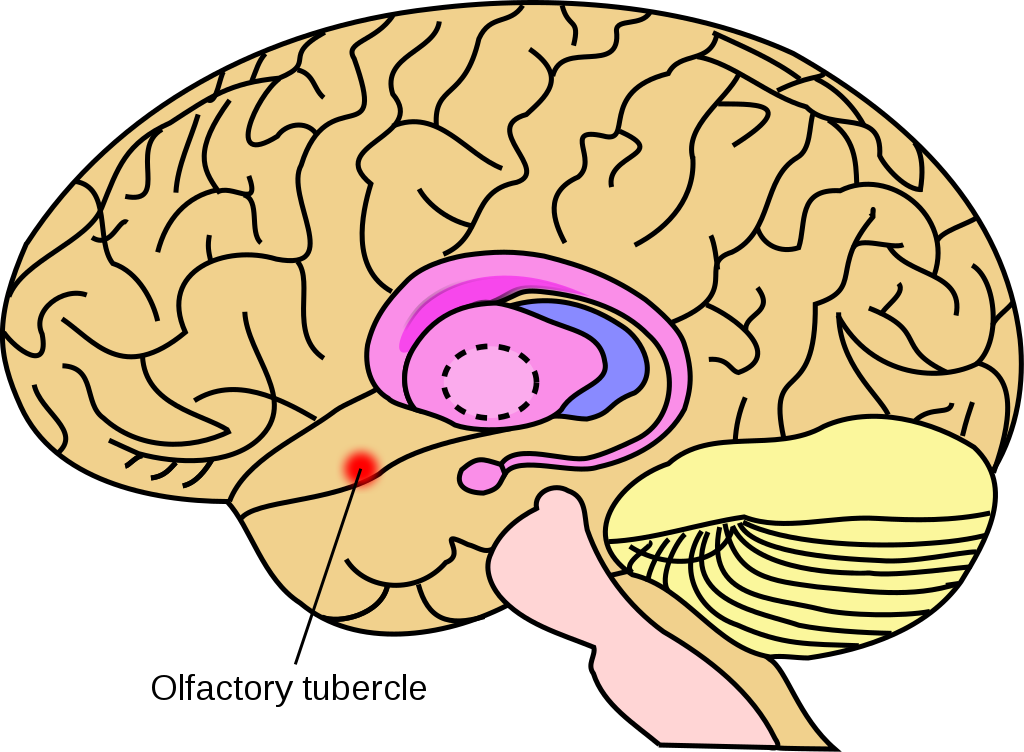
Olfactory Tubercle (OT) AKA Tuberculum Olfactorium Wiki
The olfactory tubercle (OT), also known as the tuberculum olfactorium, is a multi-sensory processing center that is contained within the olfactory cortex and ventral striatum and plays a role in reward cognition. The OT has also been shown to play… Read more.