Physiology
-
Enterohepatic circulation
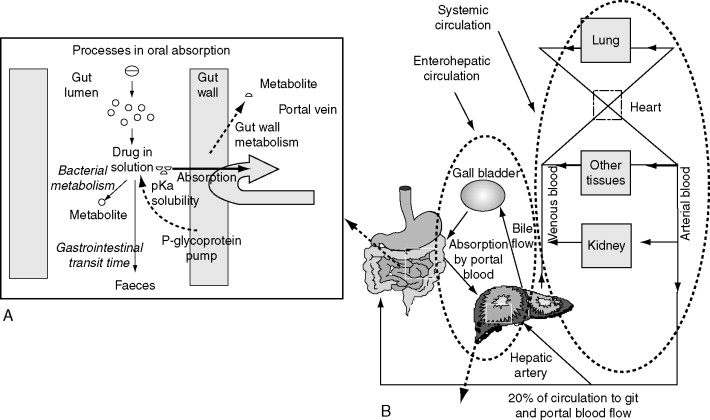
Enterohepatic circulation refers to the circulation of biliary acids, bilirubin, drugs or other substances from the liver to the bile, followed by entry into the small intestine, absorption by the enterocyte and transport back to the liver. Enterohepatic circulation… Read more.
-
APUD cells (DNES cells)
APUD cells (DNES cells) constitute a group of apparently unrelated endocrine cells, which were named by the scientist A.G.E. Pearse, who developed the APUD concept in the 1960s based on calcitonin-secreting parafollicular C cells of… Read more.
-
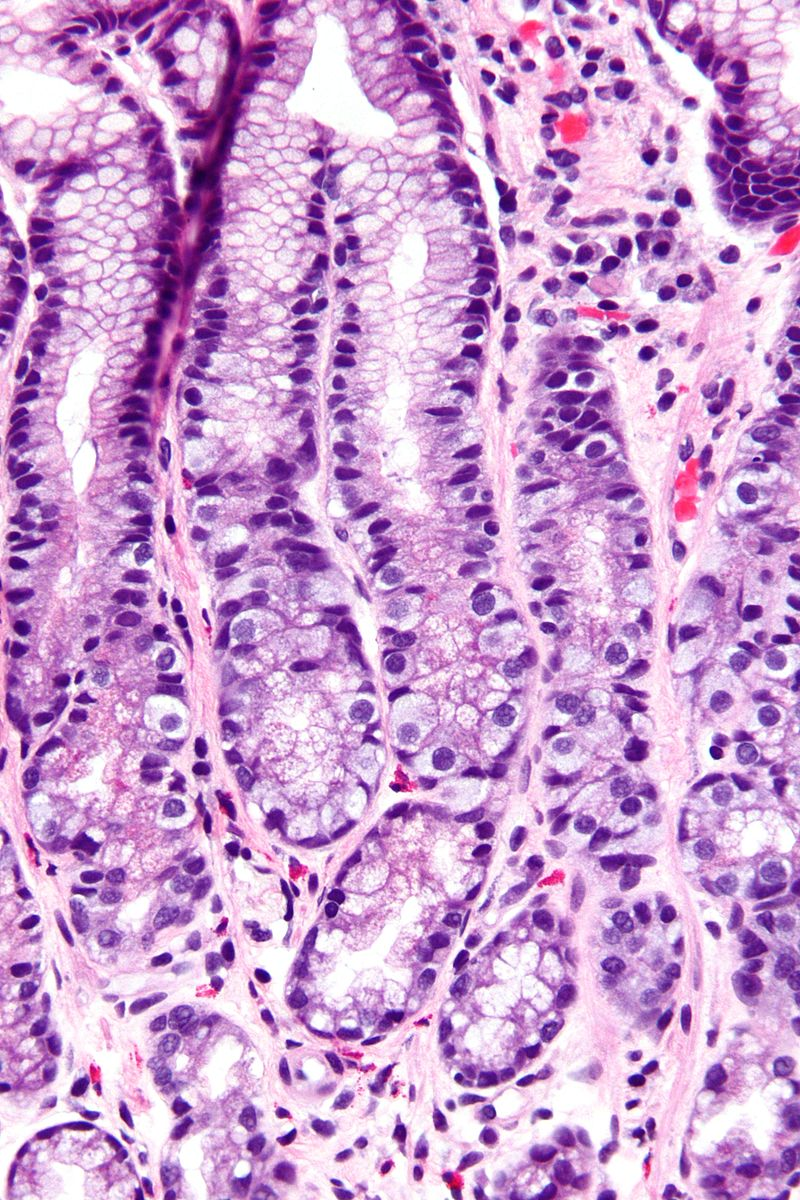
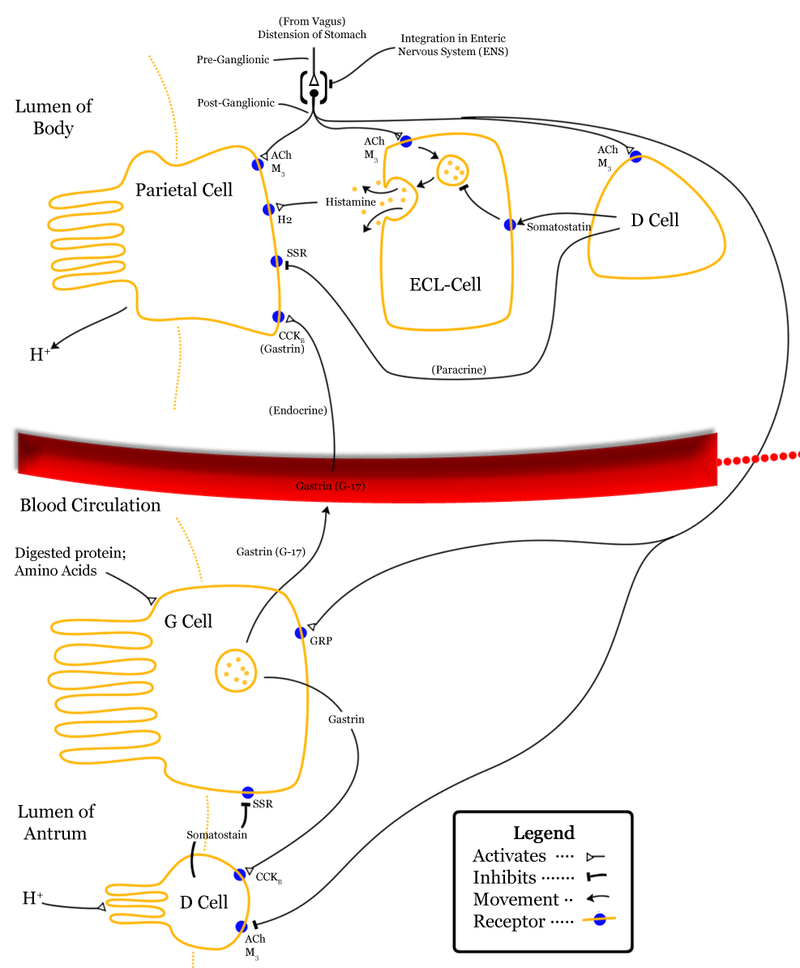
G cells or gastrin cells secrete gastrin. They works in conjunction with gastric chief cells and parietal cells. The peptide hormone bombesin also stimulates gastrin from G cells.
In anatomy, the G cell or gastrin cell, is a type of cell in the stomach and duodenum that secretes gastrin. It works in conjunction with gastric chief cells and parietal cells. G cells are found deep within… Read more.
-
Enterochromaffin-like cells (ECL cells) are neuroendocrine and enteroendocrine cells that aid in the production of gastric acid via the release of histamine
Enterochromaffin-like cells or ECL cells are a type of neuroendocrine cell found in the gastric glands of the gastric mucosa beneath the epithelium, in particular in the vicinity of parietal cells, that aid in the production of gastric acid via the… Read more.
-
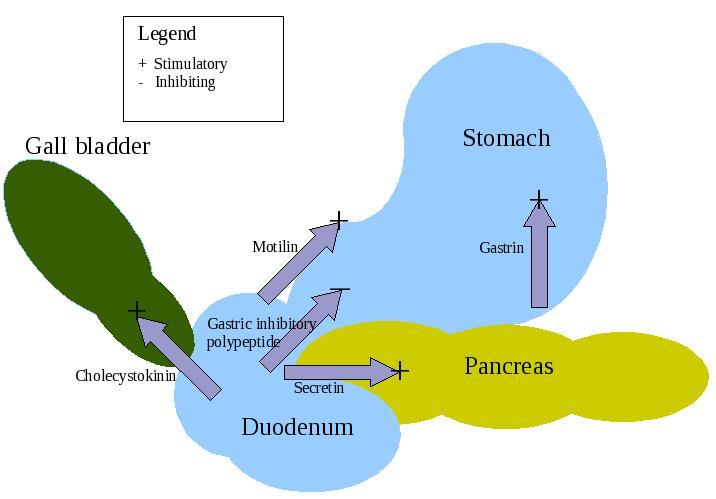
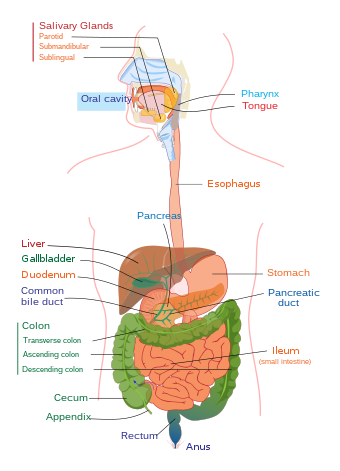
Physiology of the gastrointestinal system
of the intestinal UPPER GI TRACT Read more.
-
Pulmonary neuroendocrine cells
Neuroendocrine cells are cells that receive neuronal input (through neurotransmitters released by nerve cells or neurosecretory cells) and, as a consequence of this input, release messenger molecules (hormones) into the blood. In this… Read more.
-
Enterochromaffin (EC) cells aka Kulchitsky cells
Enterochromaffin (EC) cells (also known as Kulchitsky cells) are a type of enteroendocrine cell, and neuroendocrine cell. They reside alongside the epithelium lining the lumen of the digestive tract and play a crucial role in gastrointestinal… Read more.
-
Chromaffin cells aka pheochromocytes
Chromaffin cells, also called pheochromocytes (or phaeochromocytes), are neuroendocrine cells found mostly in the medulla of the adrenal glands in mammals. These cells serve a variety of functions such as serving as a response to stress, monitoring carbon dioxide and… Read more.
-
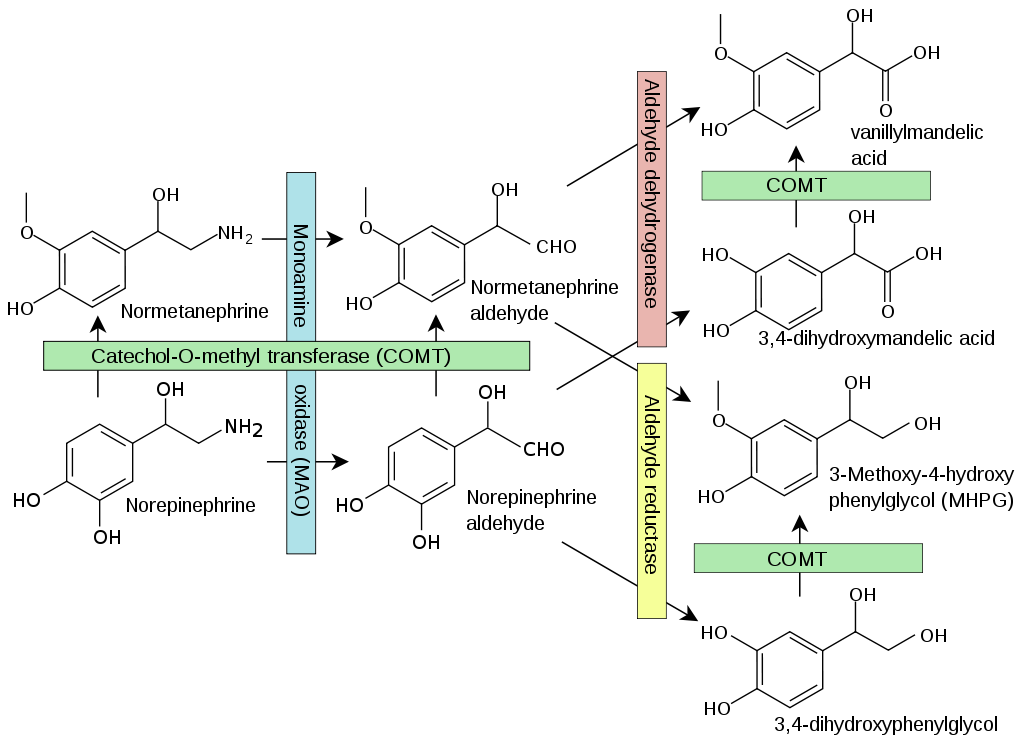
Homovanillic acid (HVC) and Vanillylmandelic acid (VMA)
Homovanillic acid (HVA) is a major catecholamine metabolite that is produced by a consecutive action of monoamine oxidase and catechol-O-methyltransferase on dopamine. Homovanillic acid is used as a reagent to detect oxidative enzymes, and is associated with dopamine levels in the brain. In psychiatry and neuroscience, brain and cerebrospinal fluid levels of… Read more.
-
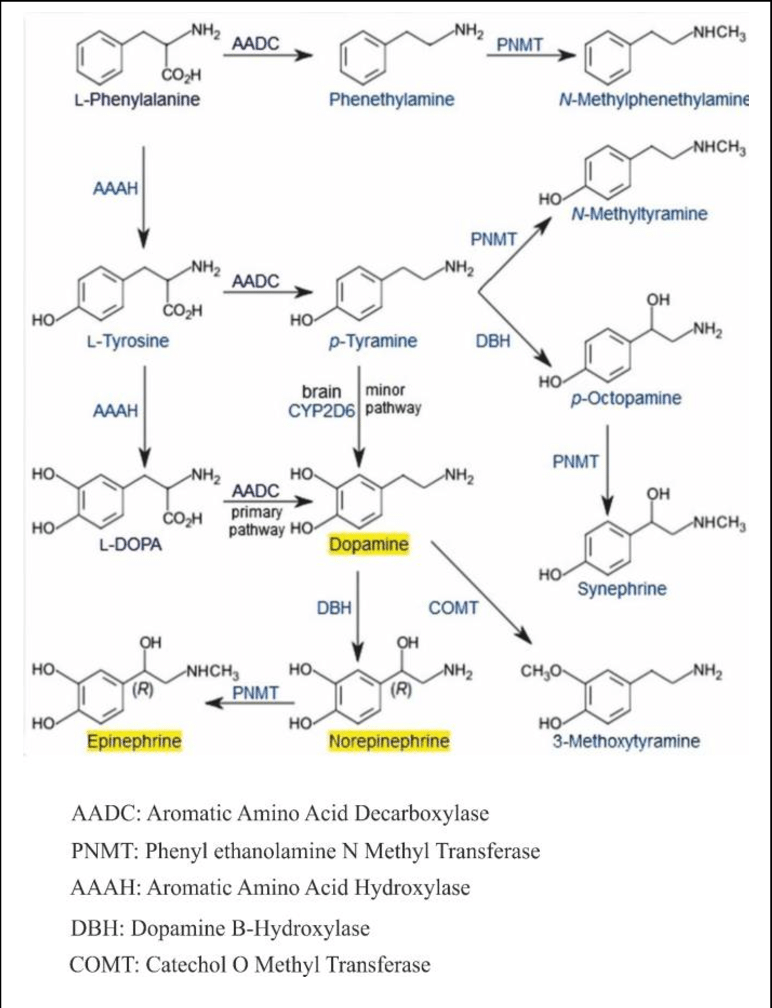
Catecholamine (CA)
A catecholamine (abbreviated CA) is a monoamine neurotransmitter, an organic compound that has a catechol (benzene with two hydroxyl side groups next to each other) and a side-chain amine. Fitzgerald, P. A. (2011). “Chapter 11. Adrenal Medulla and Paraganglia”. In Gardner, D. G.; Shoback,… Read more.