Symbolism
-
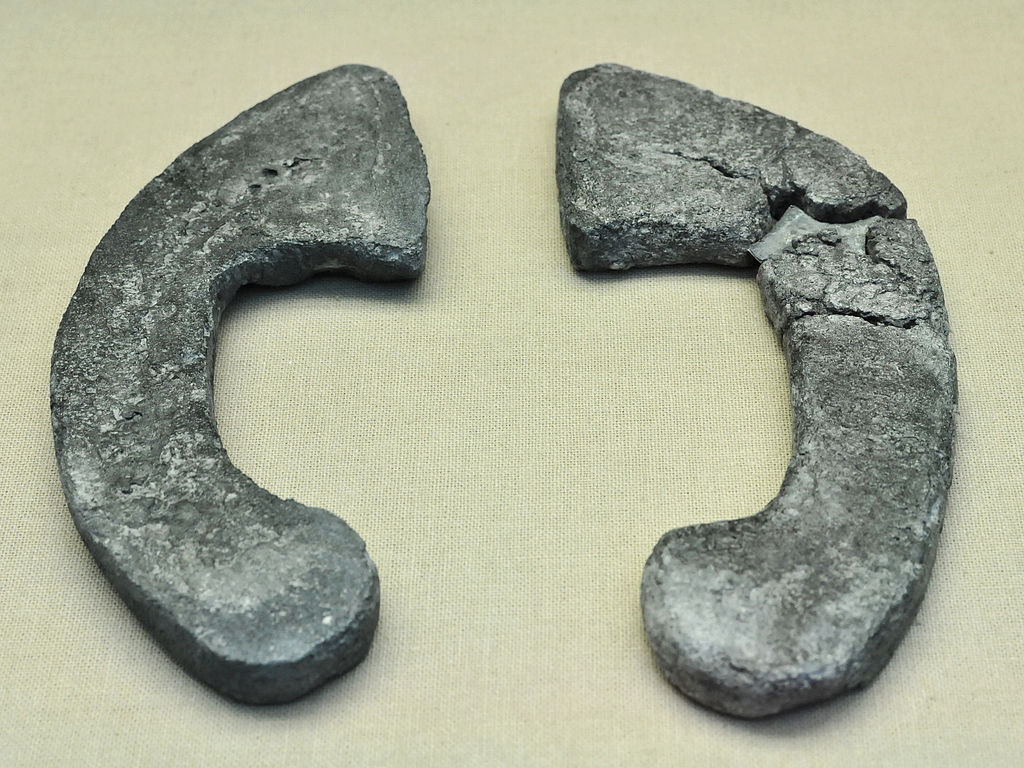
Halteres, the dumbbells of Ancient Greece
Halteres (Greek: áŒÎ»ÏáżÏΔÏ, from “áŒ Î»Î»ÎżÎŒÎ±Îč” – hallomai, “leap, spring”; cf. “ጠλΌα” – halma, “leaping”) were a type of DUMBBELLS used in Ancient Greece. In Ancient Greek sports, halteres were used as lifting weights, and also as weights in their version of… Read more.
-
Decline of thunderstone mythology
Even as late as the 17th century, a French ambassador brought a stone hatchet, which still exists in the museum at Nancy, as a present to the Prince-Bishop of Verdun, and… Read more.
-
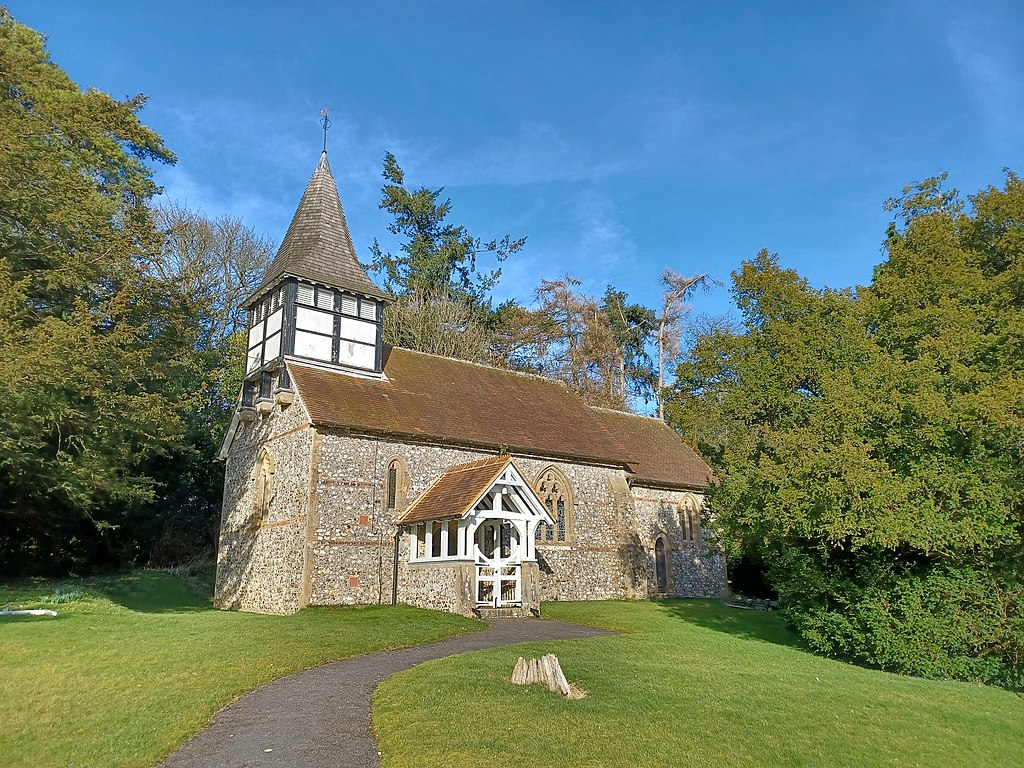
Fossils as thunderstones
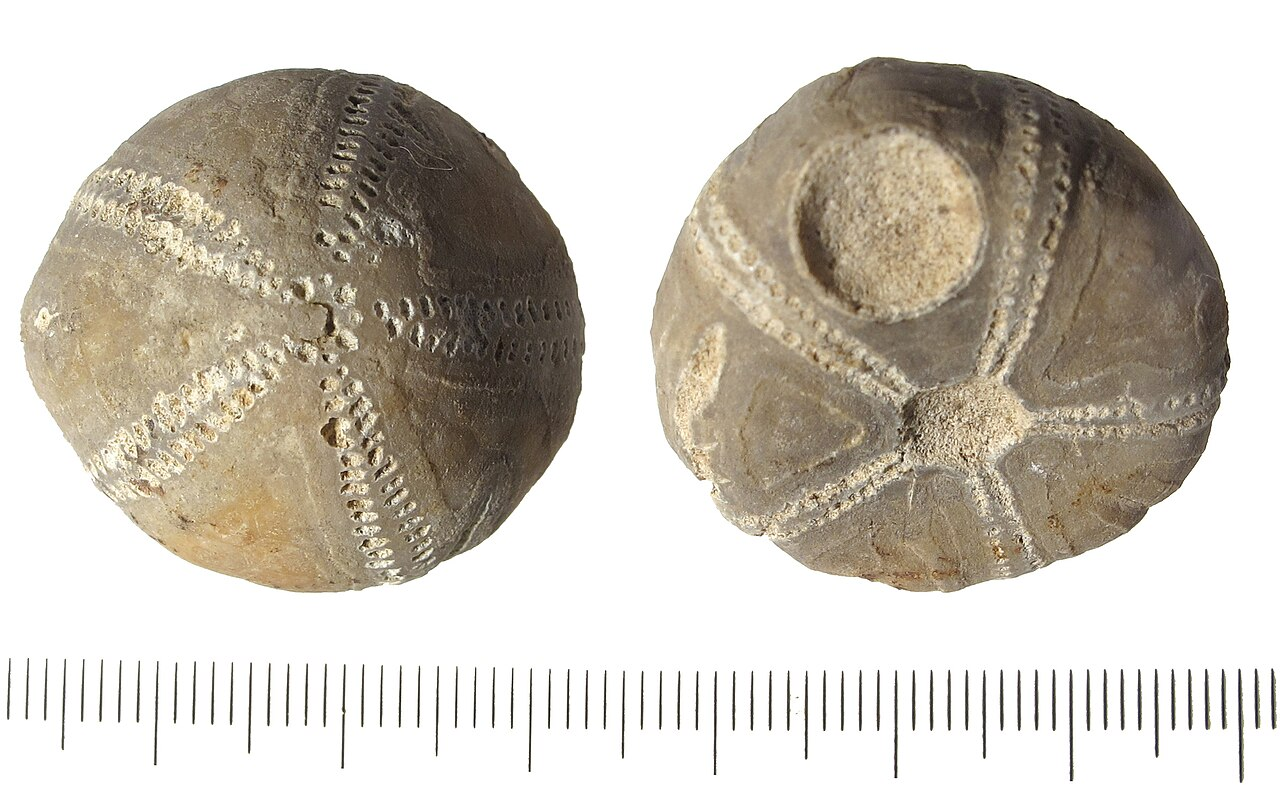
In many parts of southern England until the middle of the nineteenth century, another name commonly used for fossil Echinoids was ‘thunderstone’, though other fossils such as belemnites and (rarely) ammonites were also used for this… Read more.
-
A 12th century Bishop of Rennes asserted the value of thunderstones as a divinely appointed means of securing success in battle, safety on the sea, security against thunder, and immunity from unpleasant dreams
During the Middle Ages many of these well-wrought thunderstones were venerated as weapons, which during the “war in heaven” had been used in driving forth Satan and his hosts. Hence, in the 11th century… Read more.
-
Greeks and Romans, at least from the Hellenistic period onward, used Neolithic stone axeheads for apotropaic protection of buildings including villas, military structures such as barracks, temples, and kilns
The Greeks and Romans, at least from the Hellenistic period onward, used Neolithic stone axeheads for the apotropaic protection of buildings. A 1985 survey of the use of prehistoric axes in Romano-British contexts found forty examples, of which twenty-nine… Read more.
-
Albanians Believed the Supreme Powers of Thunderstones Were Formed During Lightning Strikes
Albanians believed in the supreme powers of thunderstones (kokrra e rrufesĂ« or guri i rejĂ«s), which were believed to be formed during lightning strikes and to fall from the sky. Thunderstones were preserved in family life… Read more.
-
Humans have been interested in echinoid fossils (the fossilised remains of sea urchins) for millennia, considering them lucky and imbuing them with magical powers linked to their deities
A folk tradition in Denmark and southern England imagined sea urchin fossils to be thunderbolts, able to ward off harm by lightning or by witchcraft, as an apotropaic symbol. Another version supposed they were… Read more.
-
Big Page of Hazel
The oldest confirmed hazel species is Corylus johnsonii found as fossils in the Ypresian-age rocks of Ferry County, Washington, USA Read more.
-
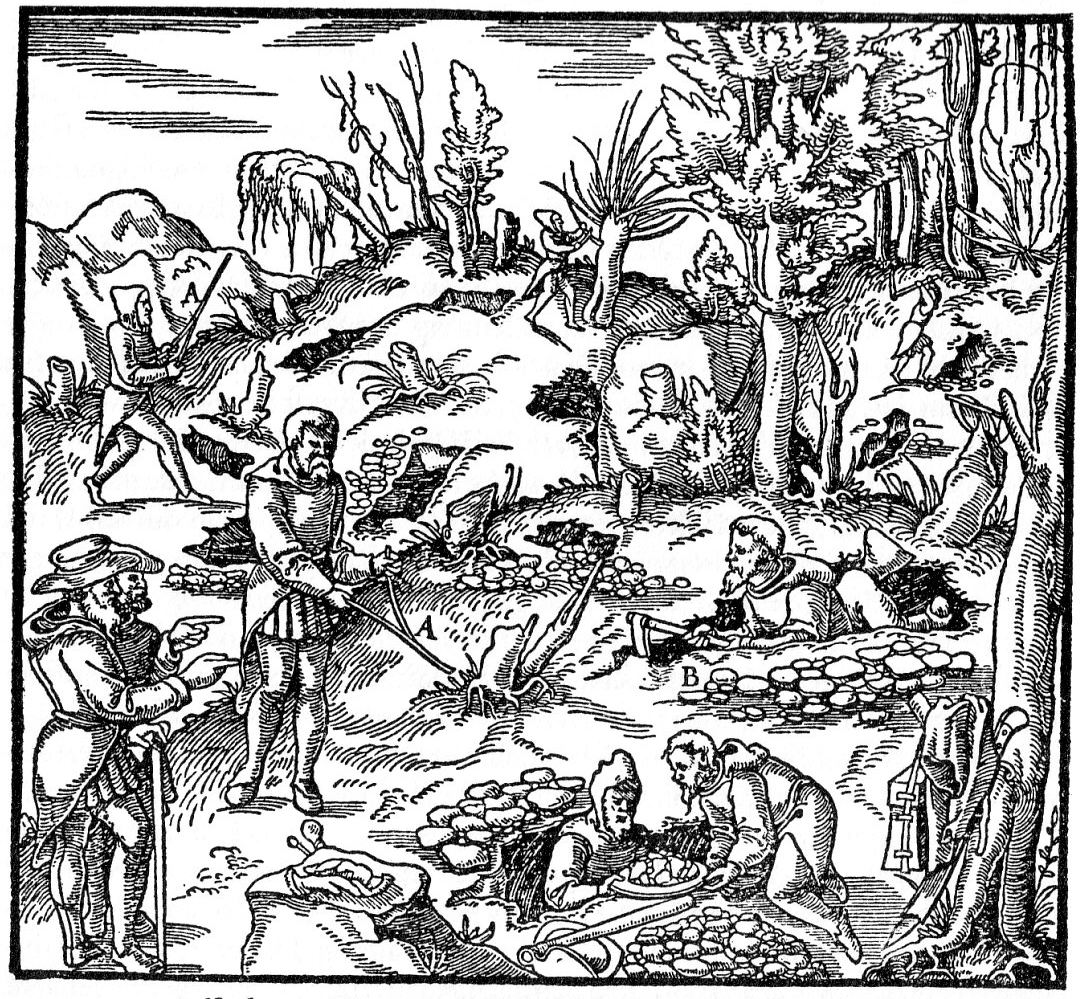
Rhabdomancy is a divination technique which involves the use of any rod, wand, staff, stick, arrow, or the like
One method of rhabdomancy was setting a number of staffs on end and observing where they fall, to divine the direction one should travel, or to find answers to certain… Read more.