Symbolism
-
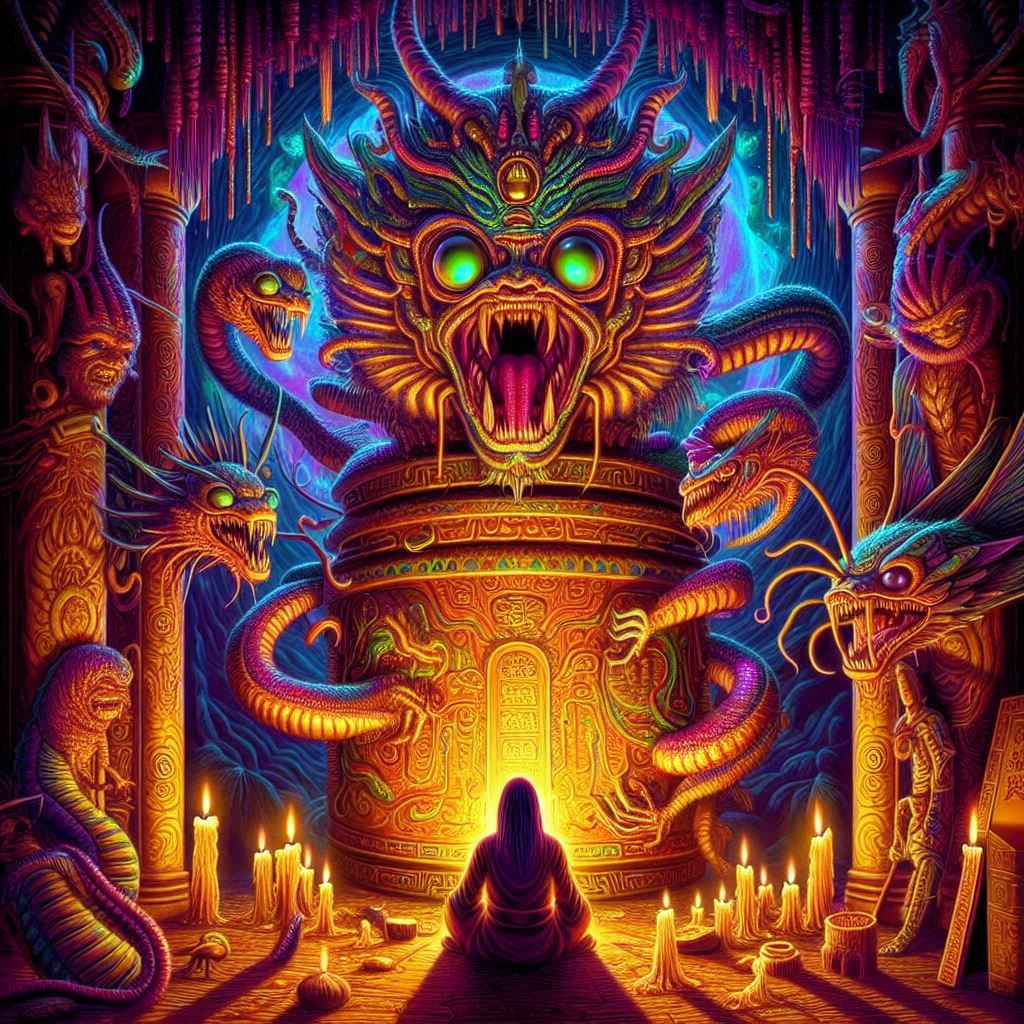
Gu: The Venomous Vortex of Ancient Chinese Sorcery Wiki
Here is another that may make your skin crawl and your blood run cold! Welcome to the world of Gu, the sinister sorcery that turns creepy crawlies into catastrophic curses.… Read more.
-
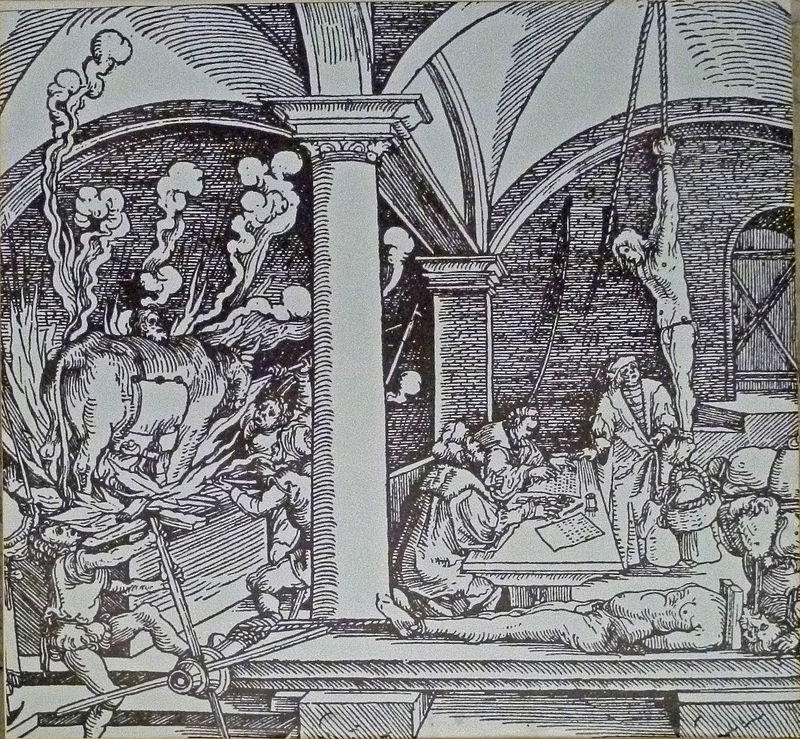
“Ye Therefore, Who Seek in Science a Means to Satisfy Your Passions, Pause in This Fatal Way: You Will Find Nothing but Madness or Death.”
This is the meaning of the vulgar tradition that the devil ends sooner or later by strangling sorcerers. Eliphas Levi, Transcendental Magic Also… “We have said that impassioned ecstasy may… Read more.
-
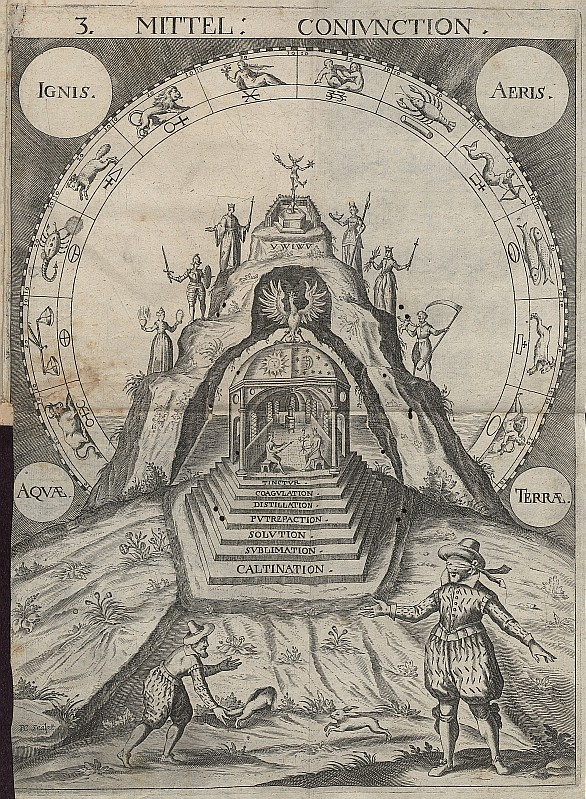
🝖 Alchemical Symbol For Horse Dung
Ah, the alchemical symbol for horse dung! Let’s gallop into this steaming pile of esoteric wisdom, shall we? 🐎💩✨ Picture this: An alchemist, eyes wild with the fever of discovery,… Read more.
-
Symbols for Sulfur and Mercury
Symbols for sulfur and mercury 1F70D 🜍 ALCHEMICAL SYMBOL FOR SULFUR = brimstone 1F70E 🜎 ALCHEMICAL SYMBOL FOR PHILOSOPHERS SULFUR 1F70F 🜏 ALCHEMICAL SYMBOL FOR BLACK SULFUR … Read more.
-
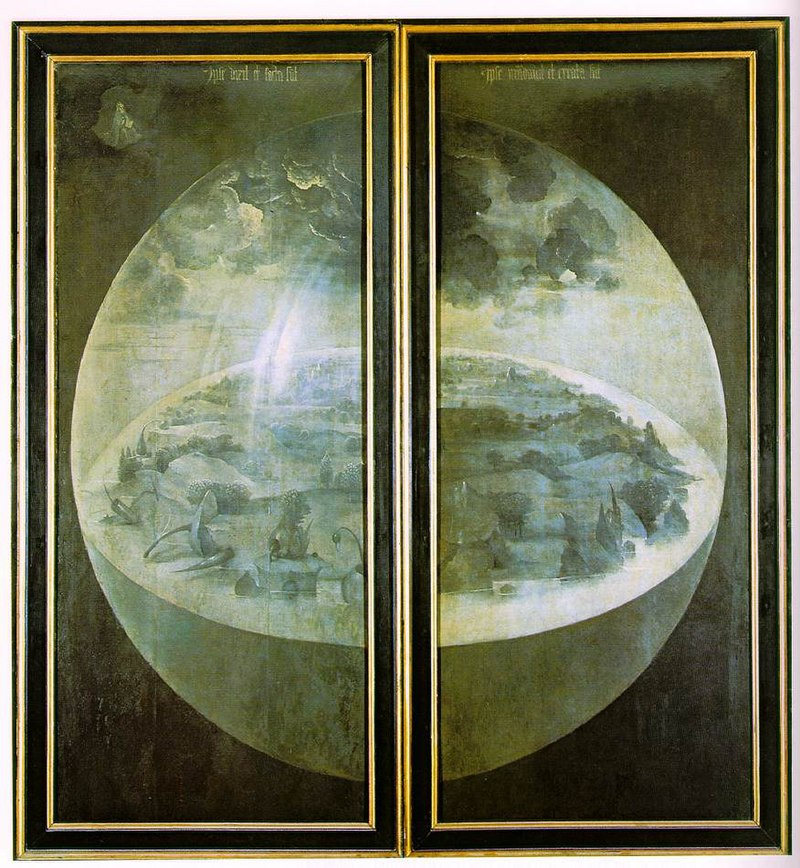
The Garden of Earthly Delights, Hieronymus Bosch
The Garden of Earthly Delights is the modern title[a] given to a triptych oil painting on oak panel painted by the Early Netherlandish master Hieronymus Bosch, between 1490 and 1510, when Bosch was between 40 and 60 years old. It has been… Read more.
-
Goldfinch In Art
The bird that repeatedly, almost obsessively, turns up in Renaissance religious painting is the European Goldfinch Carduelis carduelis, almost always in the hands of the Infant Jesus, and symbolising variously the… Read more.
-
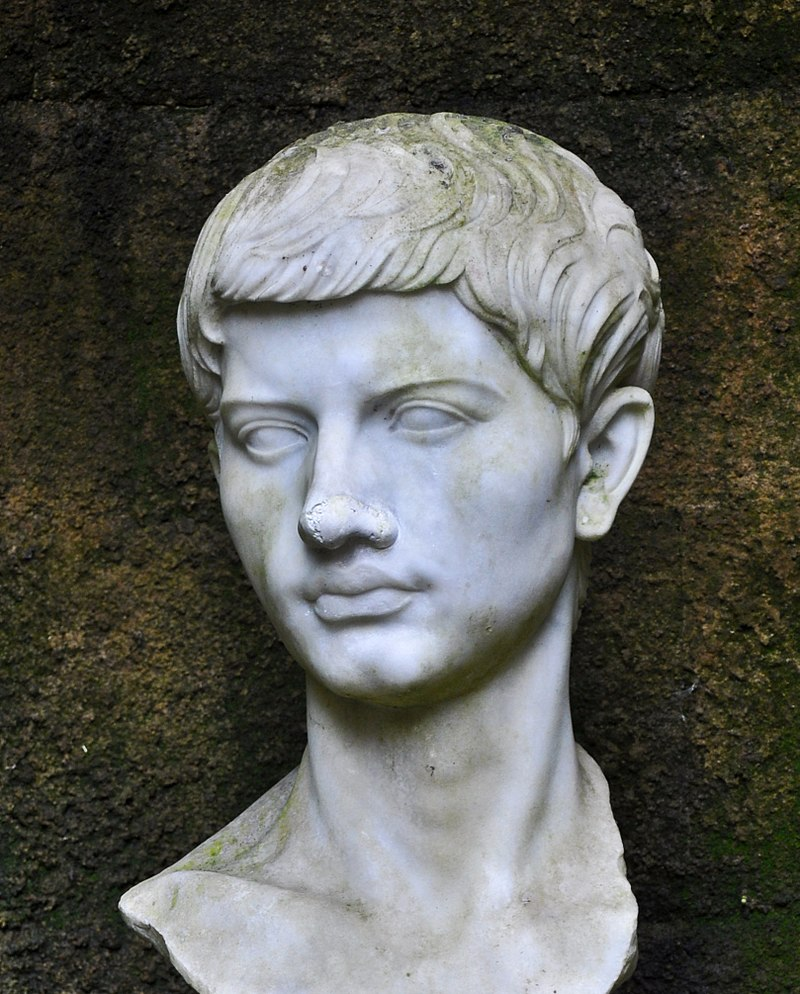
Virgil was a sorcerer?
Publius Vergilius Maro (traditional dates 15 October 70 – 21 September 19 BC), usually called Virgil or Vergil in English, was an ancient Roman poet of the Augustan period. He composed three of the most famous poems in Latin literature:… Read more.
-
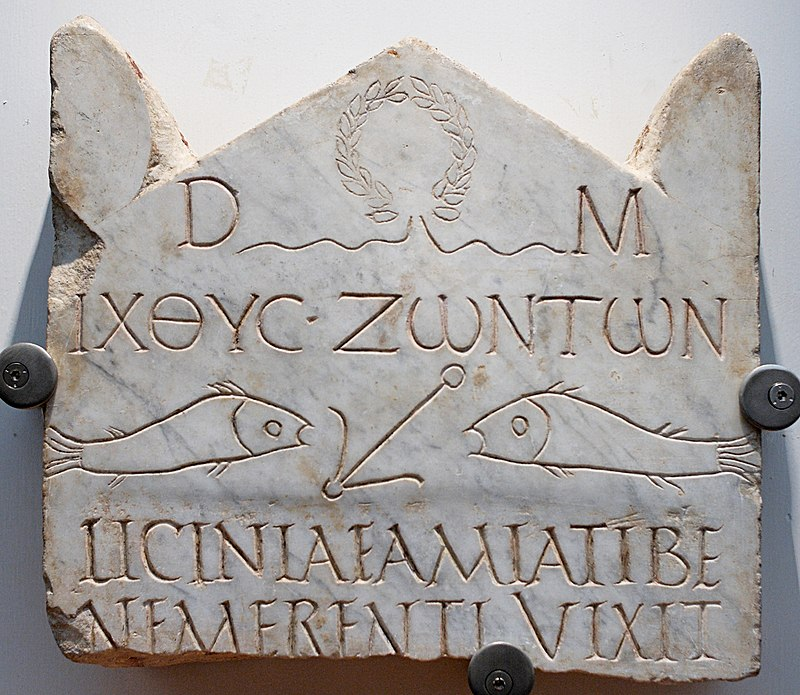
Manes or Di Manes
In ancient Roman religion, the Manes or Di Manes are chthonic deities sometimes thought to represent souls of deceased loved ones. They were associated with the Lares, Lemures, Genii, and Di Penates as deities (di) that pertained to domestic, local, and… Read more.
-
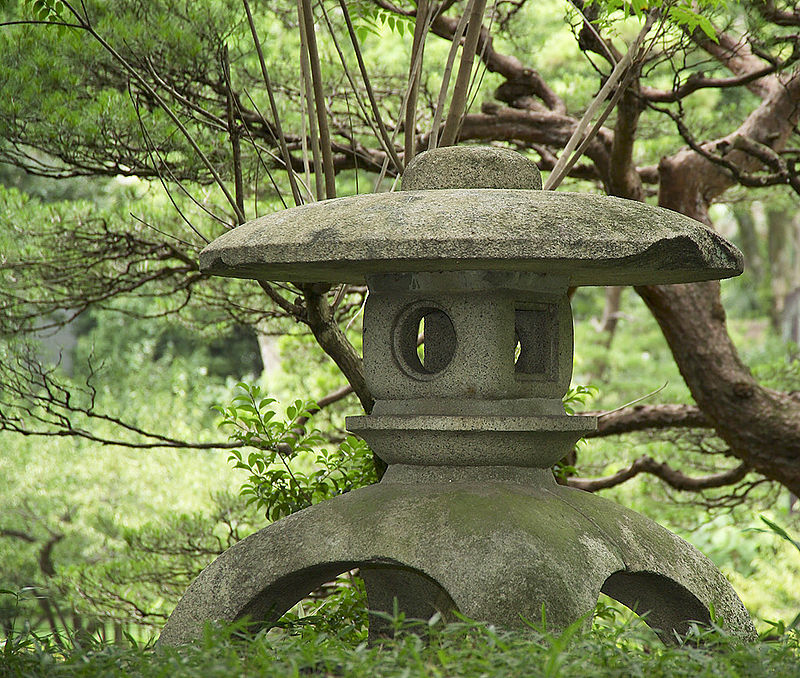
Stone lanterns
Stone lanterns (灯籠/灯篭/灯楼, Chinese: dēnglóng; Japanese: tōrō, meaning ‘light basket’, ‘light tower’)[a] are a type of traditional East Asian lantern made of stone, wood, or metal. Originating in China, stone lanterns spread to Japan,… Read more.
-
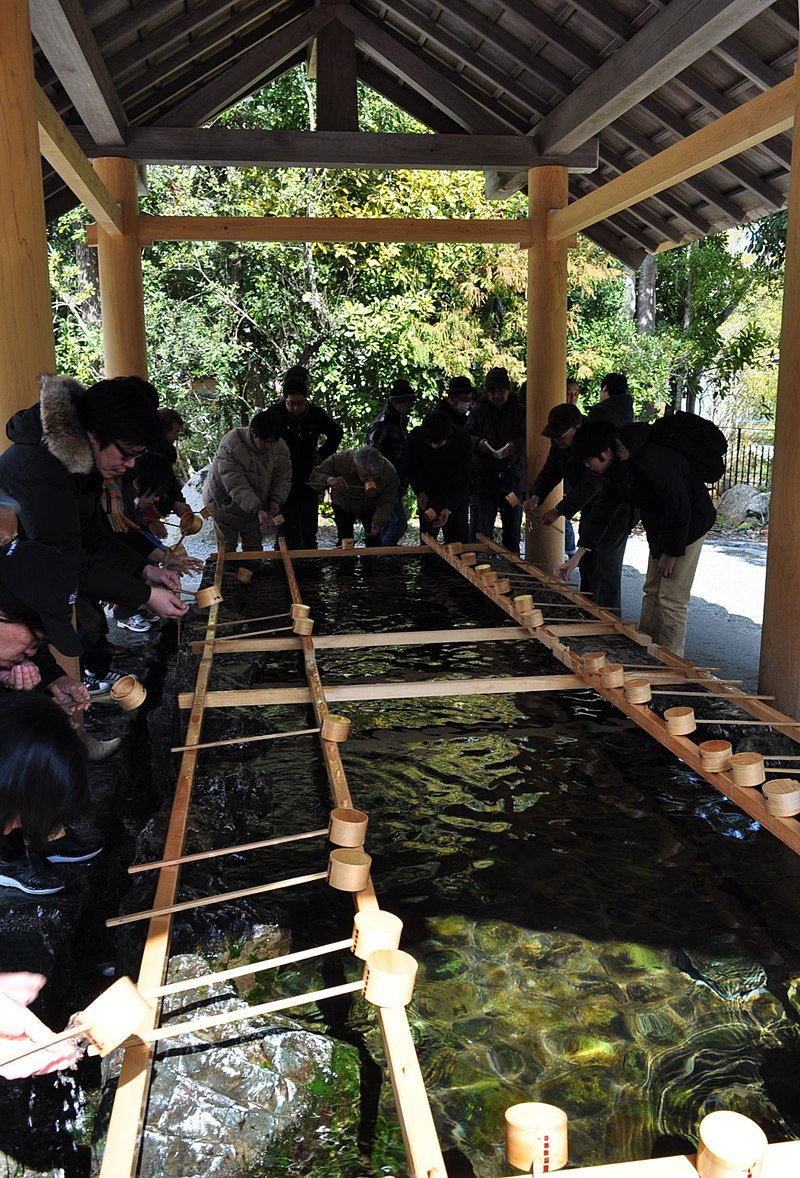
Chōzu-ya or temizu-ya is a Shinto water ablution pavilion
Chōzu-ya or temizu-ya (手水舎) is a Shinto water ablution pavilion for a ceremonial purification rite known as temizu or chōzu (手水, lit. ’hand-water’). The pavilion contains a large water-filled basin called a chōzubachi (手水鉢, lit. ’hand water basin’). At shrines, these chōzubachi, are used by worshippers for washing their… Read more.