Symbolism
-
The act of washing the hands can also be considered as playing the suikinkutsu
A suikinkutsu (水琴窟, literally “water piano cave” in original Chinese or “water zither cave” in Japanese) is a type of Japanese garden ornament and music device. It consists of an upside down buried pot with… Read more.
-
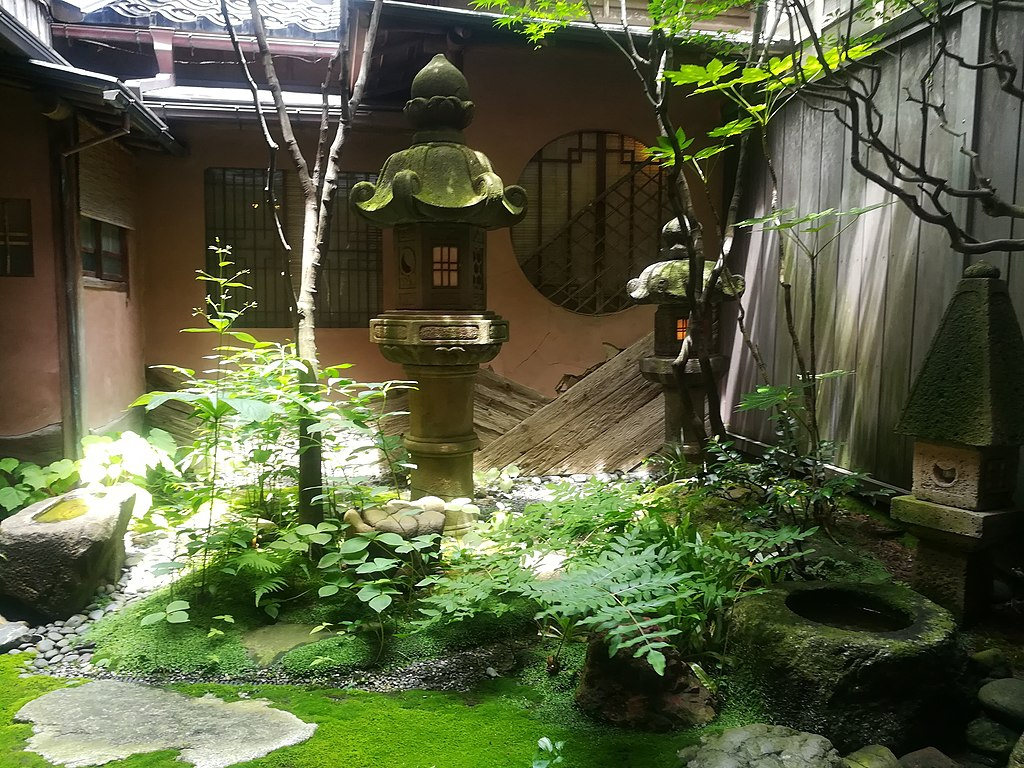
Tsubo-niwa have been described as “quasi-indoor gardens”
A tsubo-niwa (坪庭/壷庭/つぼにわ) is a type of very small garden in Japan. The term tsuboniwa stems from tsubo (坪), a unit of measurement (equal to 1×1 ken, the size of two tatami, roughly 3.3 square metres (36 sq ft)), and niwa, meaning “garden”. Other spellings of tsubo-niwa translate… Read more.
-
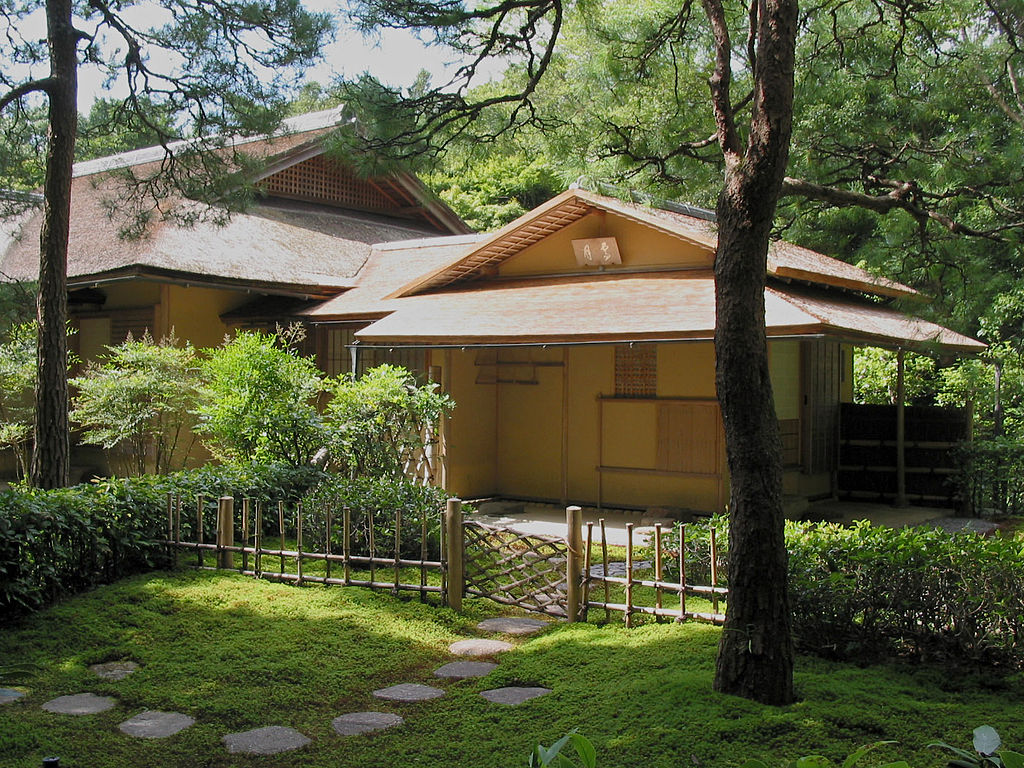
The roji is usually divided into an outer and inner garden
Roji (露地), lit. ‘dewy ground’, is the Japanese term used for the garden through which one passes to the chashitsu for the tea ceremony. The roji generally cultivates an air of simplicity. Development Sen no Rikyū is said to have… Read more.
-
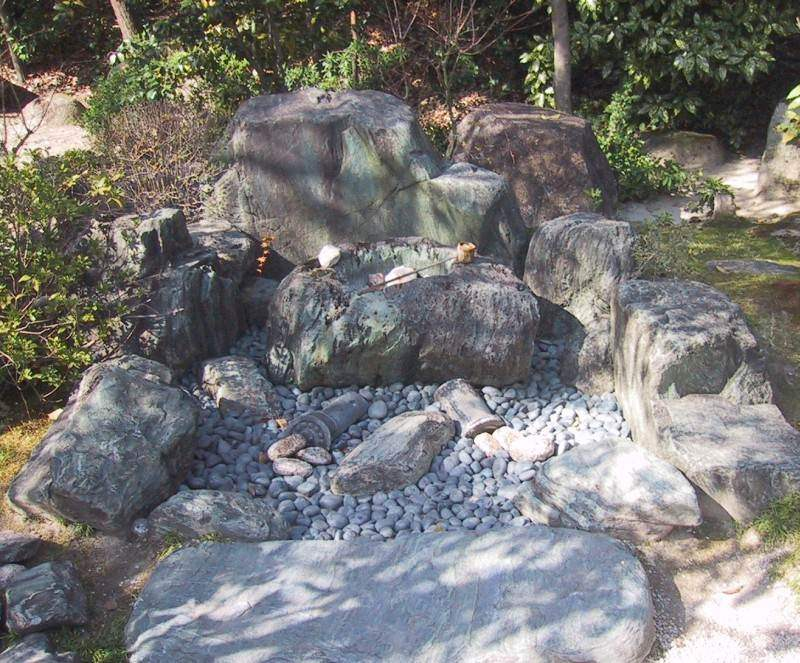
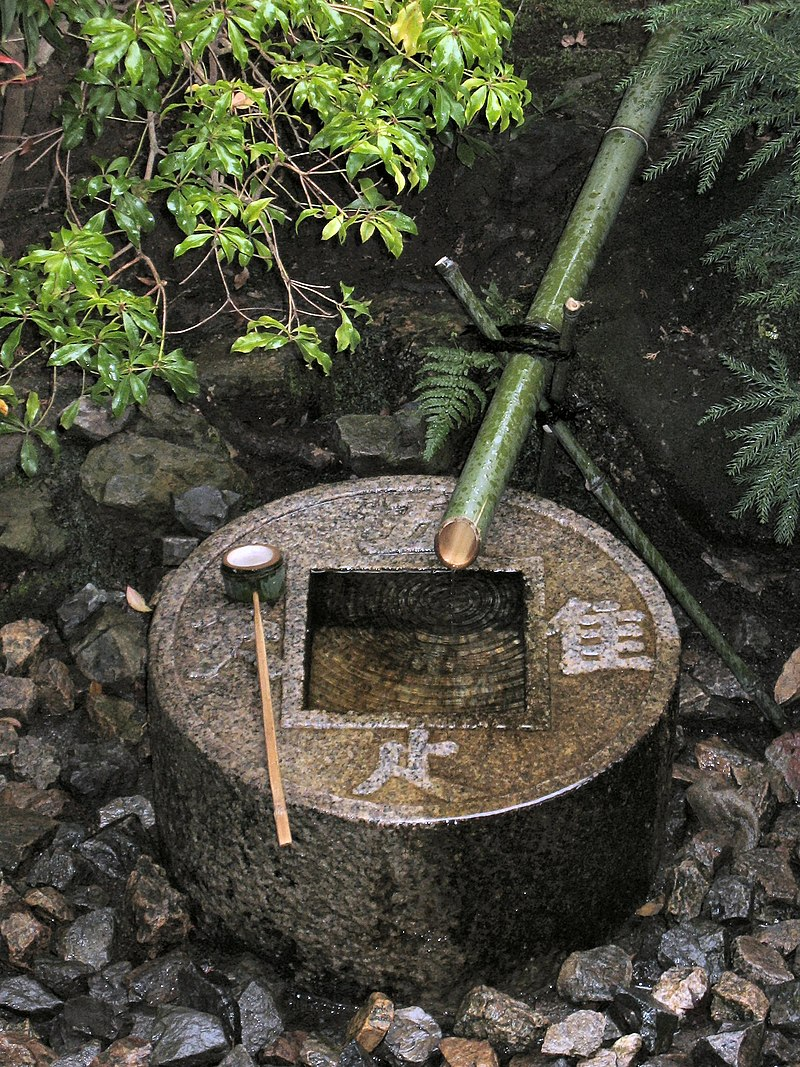
Tsukubai, a washbasin provided at the entrance to a holy place
In Japan, a tsukubai (蹲踞) is a washbasin provided at the entrance to a holy place for visitors to purify themselves by the ritual washing of hands and rinsing of the mouth. This type… Read more.
-
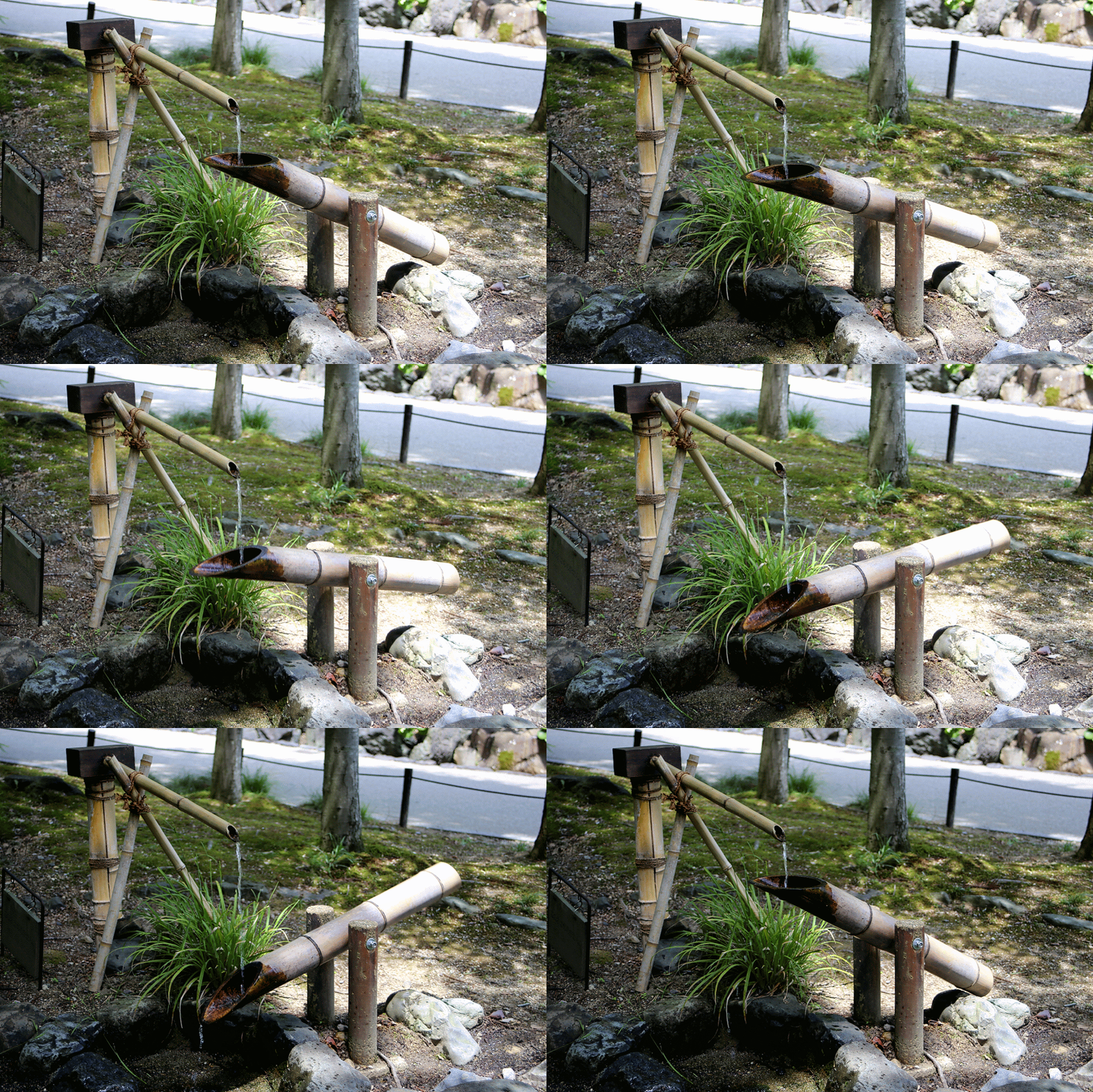
Shishi-odoshi
Shishi-odoshi (鹿威し) (literally, “deer-frightening” or “boar-frightening”), in a wide sense, refers to Japanese devices made to frighten away animals that pose a threat to agriculture, including kakashi (scarecrows), naruko (clappers) and sōzu. In a narrower sense, it is synonymous with sōzu.… Read more.
-
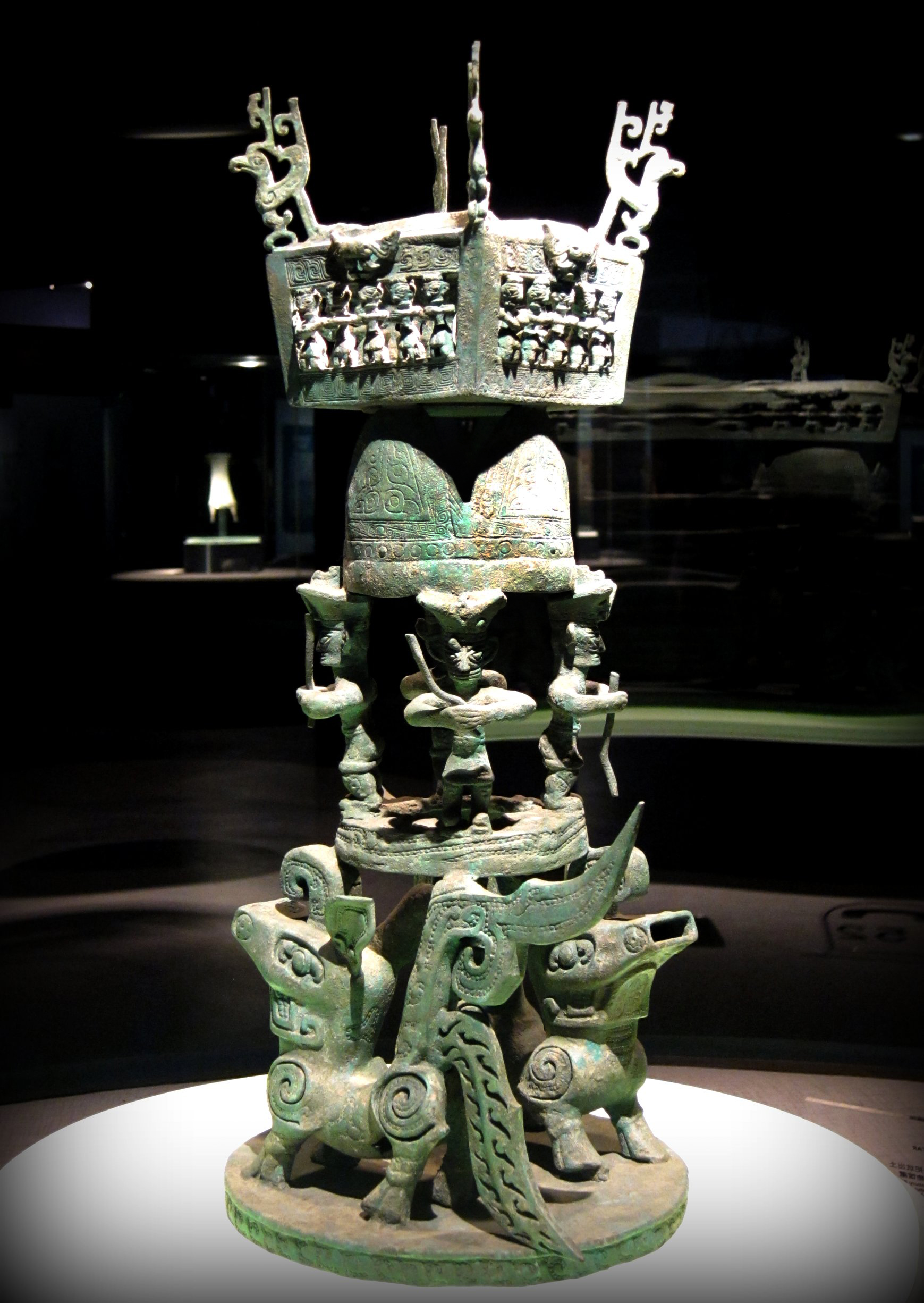
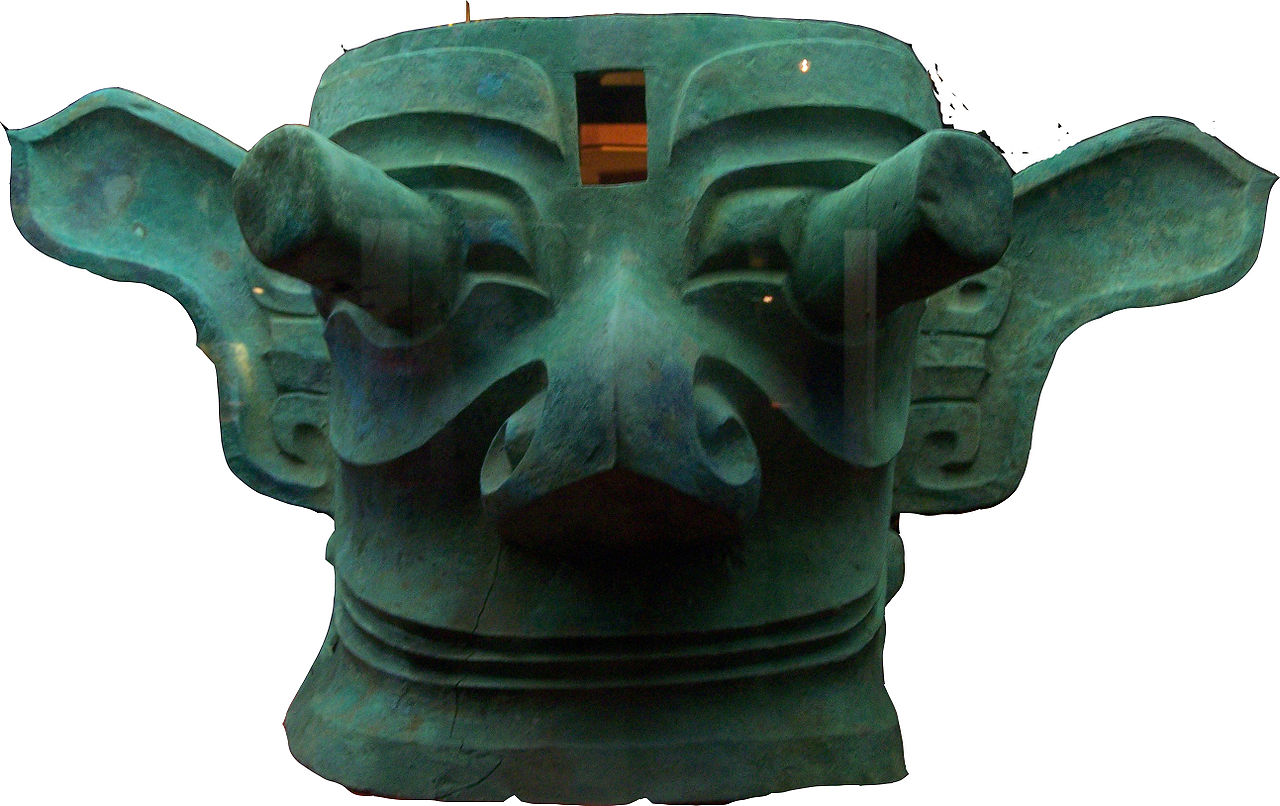
Sanxingdui (‘Three Star Mound’) Wiki
Sanxingdui (Chinese: 三星堆; pinyin: Sānxīngduī; lit. ‘Three Star Mound‘) is an archaeological site and a major Bronze Age culture in modern Guanghan, Sichuan, China. Largely discovered in 1986, following a preliminary finding in 1927, archaeologists excavated artifacts that radiocarbon dating placed in the twelfth–eleventh centuries BC. The archaeological site is the type… Read more.
-
Shi (Personator)
The shi (Chinese: 尸; pinyin: shī; Wade–Giles: sh’ih; lit. ‘corpse’) was a ceremonial “personator” who represented a dead relative during ancient Chinese ancestral sacrifices. In a shi ceremony, the ancestral spirit supposedly would enter the descendant “corpse” personator, who would eat and… Read more.
-
In Judaism, The Guf or Treasury of Souls is sometimes described as a columbarium
In post-biblical Judaism, souls are envisioned as bird-like (Bahir 119), a concept that may be derived from the Biblical notion that dead spirits “chirp” (Isa. 29:4). The Guf, or Treasury of Souls,… Read more.
-
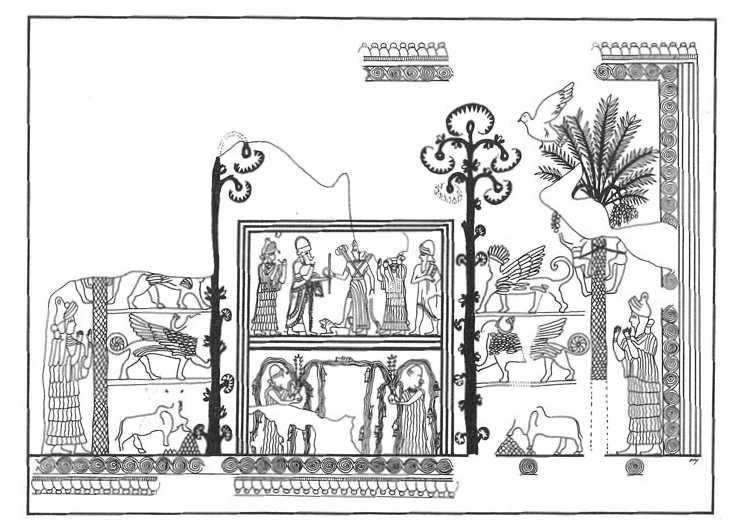
Doves are shown on cult objects associated with Inanna as early as the beginning of the third millennium BC
In ancient Mesopotamia, doves were prominent animal symbols of Inanna-Ishtar, the goddess of love, sexuality, and war. Doves are shown on cultic objects associated with Inanna as early as the beginning of the… Read more.
-
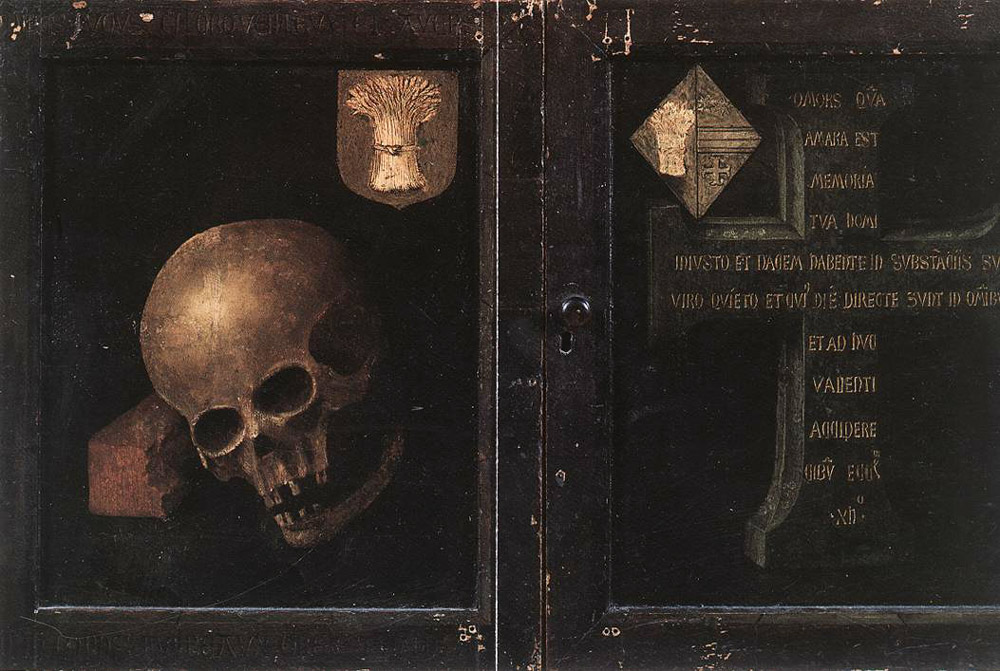
Memento Mori (Symbolic Trope)
Memento mori (Latin for ‘remember that you [have to] die’) is an artistic or symbolic trope acting as a reminder of the inevitability of death. The concept has its roots in the philosophers of classical antiquity and Christianity, and… Read more.