Symbolism
-
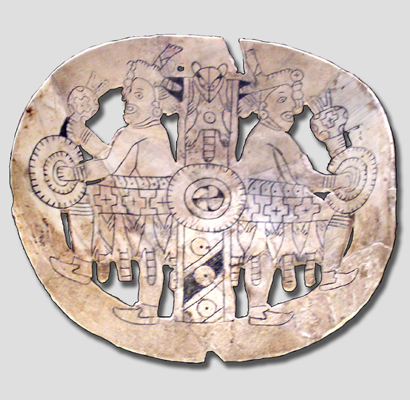
Shell gorgets
Shell gorgets are a Native American art form of polished, carved shell pendants worn around the neck. The gorgets are frequently engraved, and are sometimes highlighted with pigments, or fenestrated (pierced with openings). Shell gorgets were… Read more.
-
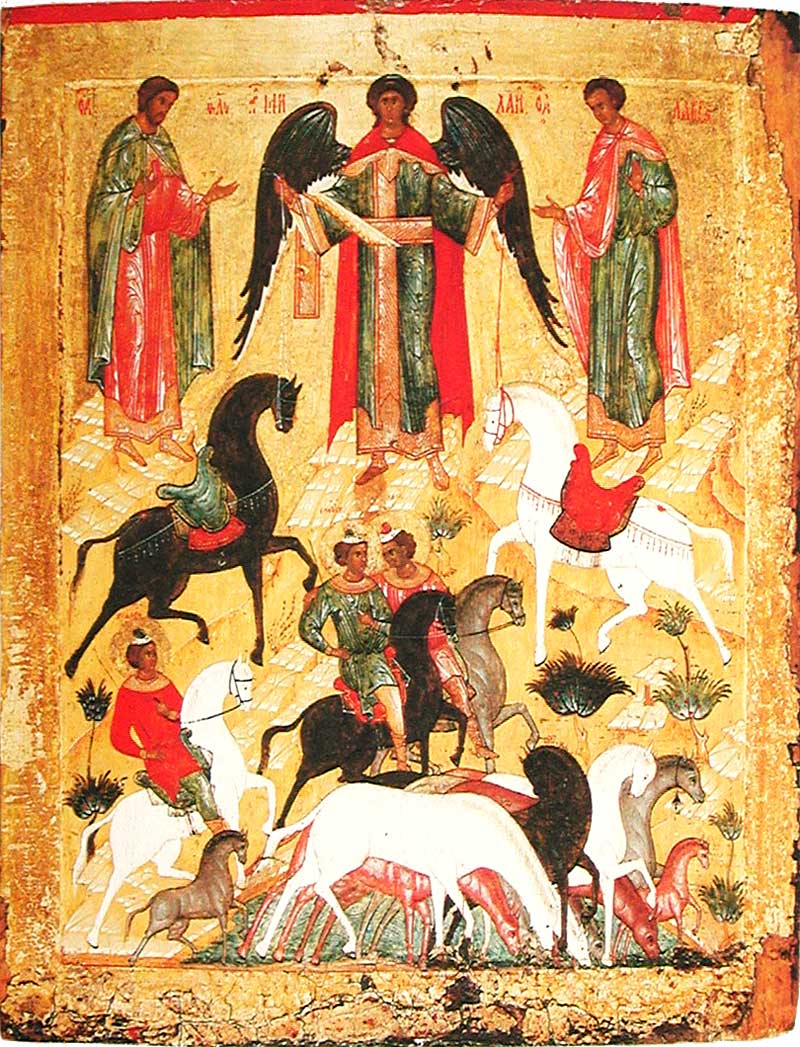
Saints Florus and Laurus, twin brothers who worked as stonemasons
Saints Florus and Laurus are venerated as Christian martyrs of the 2nd century. According to a Greek tale, they were twin brothers who worked as stonemasons. They were originally from Constantinople, Byzantium but settled in Ulpiana, Dardania, south of Pristina, Kosovo in the district of Illyricum. They were educated in the… Read more.
-
Passion bearers
In Eastern Christianity, a passion bearer (Russian: страстотéрпец, tr. strastoterpets, IPA: [strəstɐˈtʲɛrpʲɪts]) is one of the various customary titles for saints used in commemoration at divine services when honouring their feast on the Church Calendar; it is not… Read more.
-
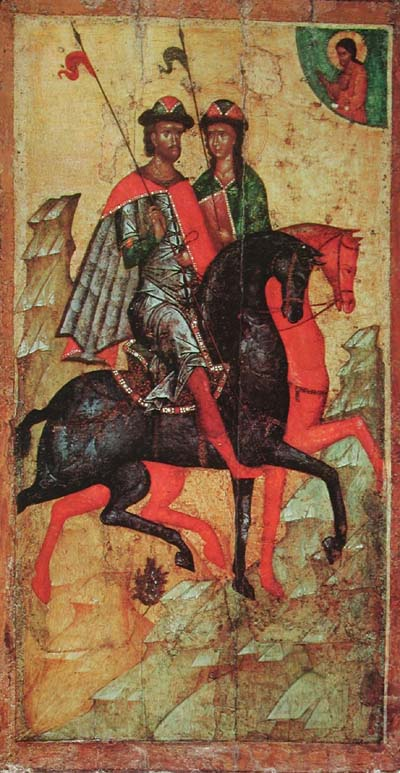
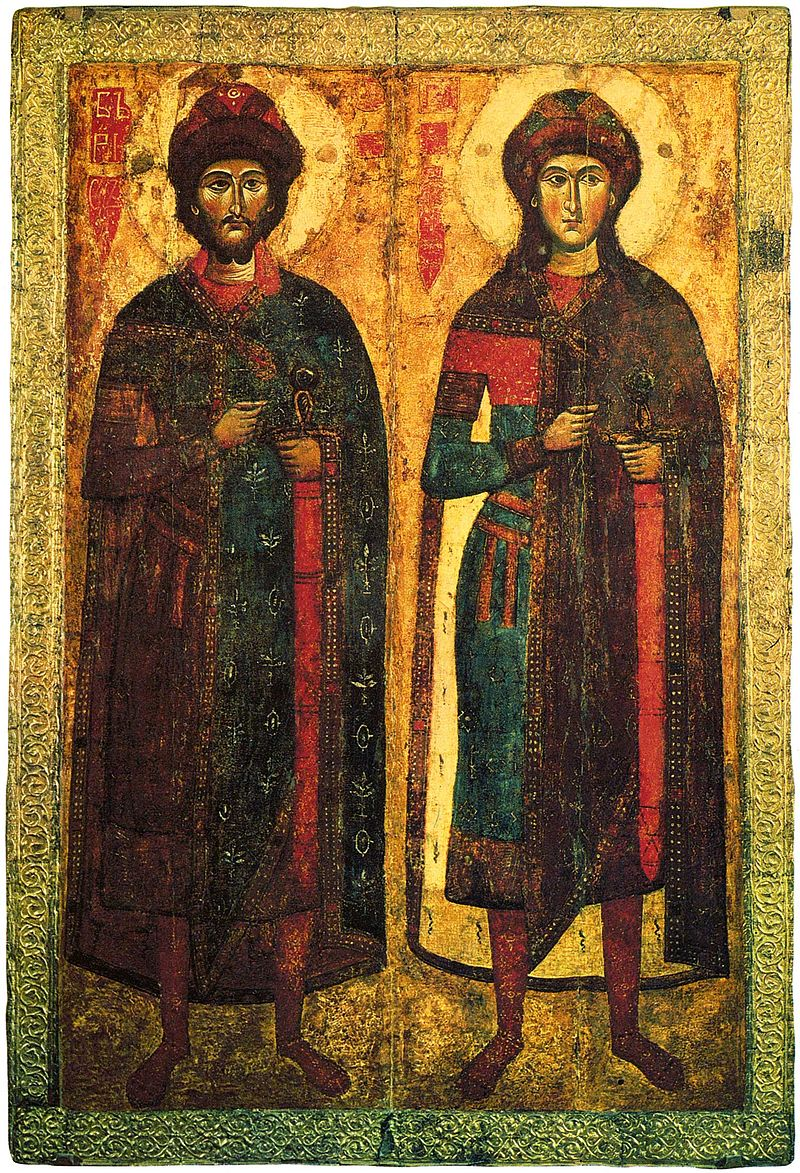
Boris and Gleb were the first saints canonized in Kievan Rus’ after the Christianization of the country
Boris and Gleb (Old East Slavic: Борисъ и Глѣбъ, romanized: Borisŭ i Glěbŭ; Russian: Борис и Глеб, romanized: Boris i Gleb; Ukrainian: Борис і Гліб, romanized: Borys i Hlib), respective Christian names Roman (Романъ, Romanŭ) and David (Давꙑдъ, Davydŭ), were the first saints canonized in Kievan Rus’ after the Christianization of the country. Their feast… Read more.
-
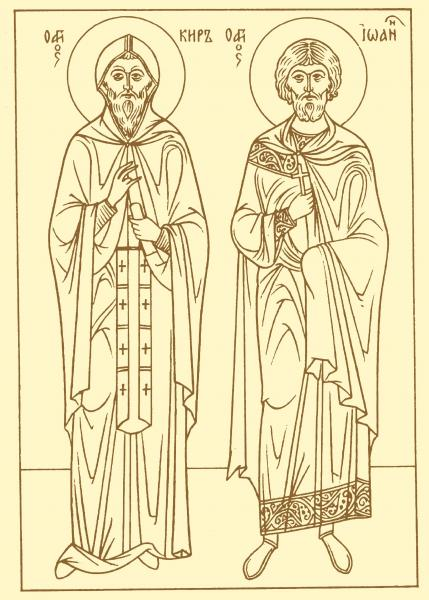
Saints Cyrus and John, Wonderworking Unmercenaries
Saints Cyrus and John (Italian: Ciro e Giovanni; Arabic: أباكير ويوحنا, romanized: Abākīr wa-Yūḥannā; died c. 304 or 311 AD) are venerated as martyrs. They are especially venerated by the Coptic Church and surnamed Wonderworking Unmercenaries (thaumatourgoi anargyroi) because they healed the sick free of… Read more.
-
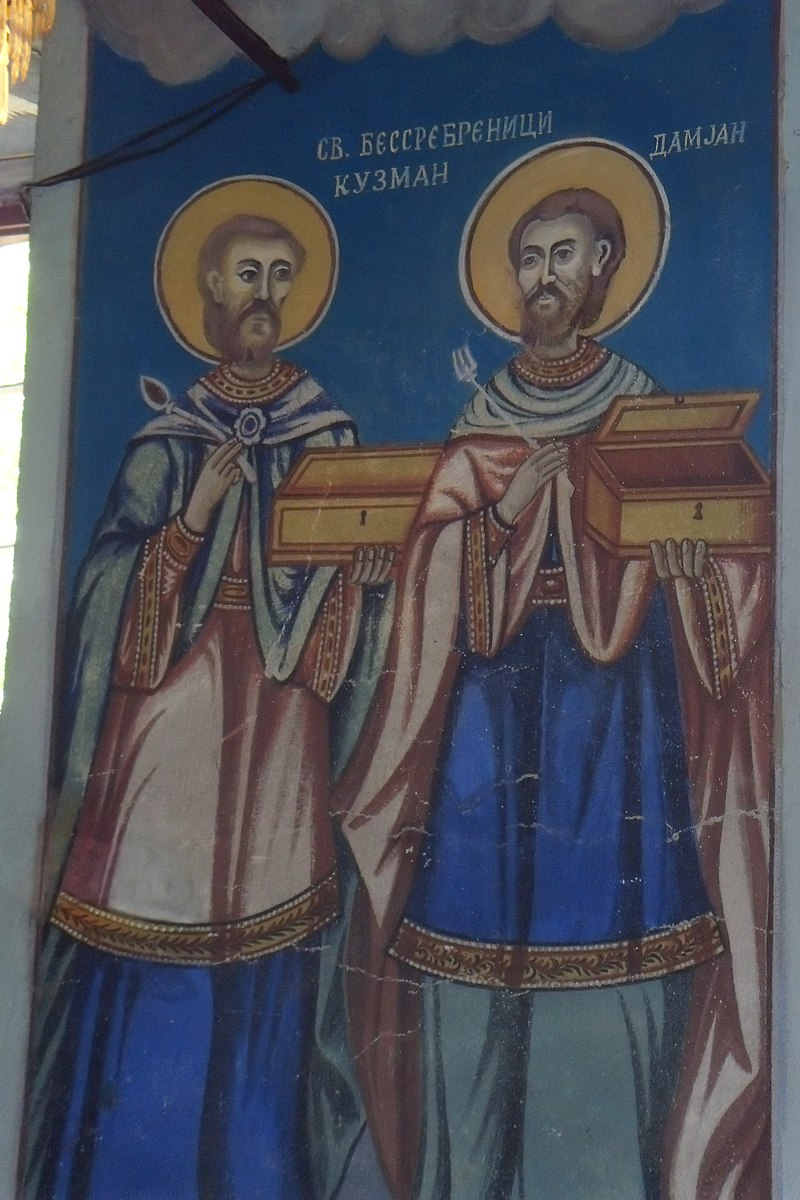
Saints Cosmas and Damian are regarded as the patrons of physicians, surgeons, pharmacists and twins
Cosmas and Damian (Arabic: قُزما ودميان, romanized: Qozma wa Demyaan; Greek: Κοσμᾶς καὶ Δαμιανός; Latin: Cosmas et Damianus; c. 3rd century – c. 287 or 303 AD) were two Arab physicians and early Christian martyrs. They practised their profession in the seaport of Aegeae, then in… Read more.
-
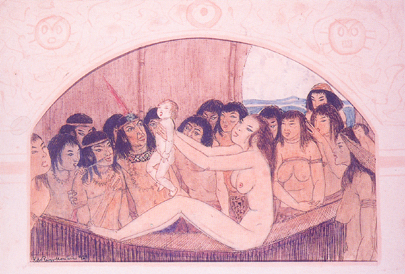
The Amazonian legend of Maní is related to the cult of Manioc, the native staple food that sprang from her grave
Maní, a Tupí myth of origins, is the name of an indigenous girl with very fair complexion. The Amazonian legend of Maní is related to the cult of Manioc, the native staple food that sprang from… Read more.
-
Tongue Stone
According to Renaissance accounts, large, triangular fossil teeth often found embedded in rocky formations were believed to be petrified tongues of dragons and snakes and so were referred to as “tongue stones” or “glossopetrae”. Glossopetrae were commonly thought… Read more.
-
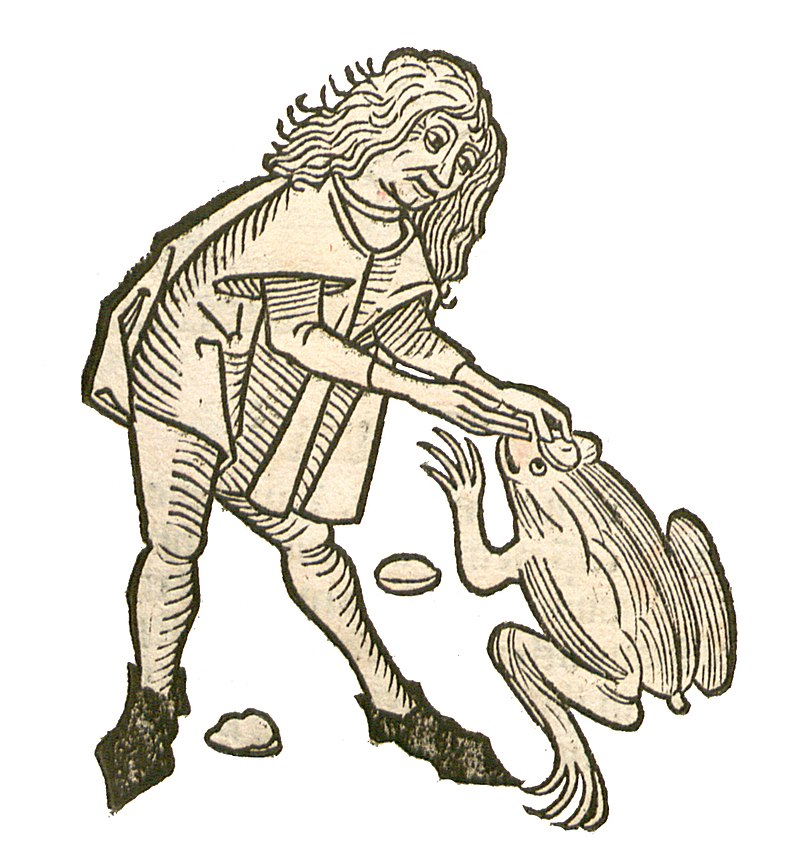
Toadstone aka bufonite
The toadstone, also known as bufonite (from Latin bufo, “toad”), is a mythical stone or gem that was thought to be found in the head of a toad. It was supposed to be an antidote to poison and in this… Read more.
-
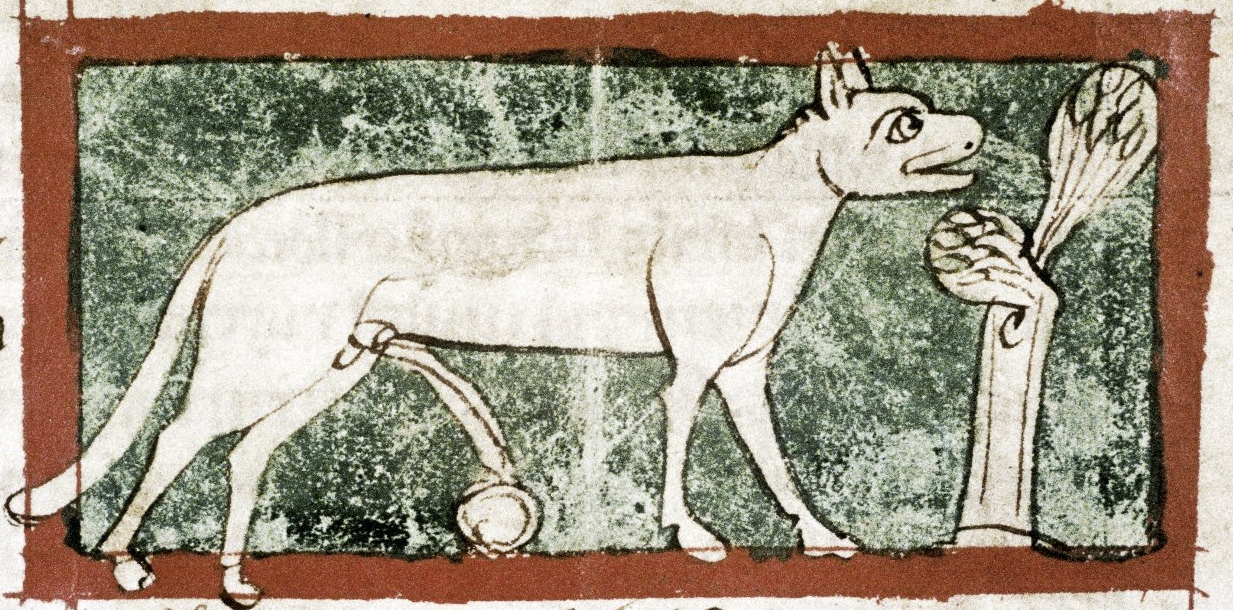
Lyngurium
Lyngurium or Ligurium is the name of a mythical gemstone believed to be formed of the solidified urine of the lynx (the best ones coming from wild males). It was included in classical and “almost every medieval lapidary” or book of… Read more.