

Symbolism

  • Scatomancy Notes

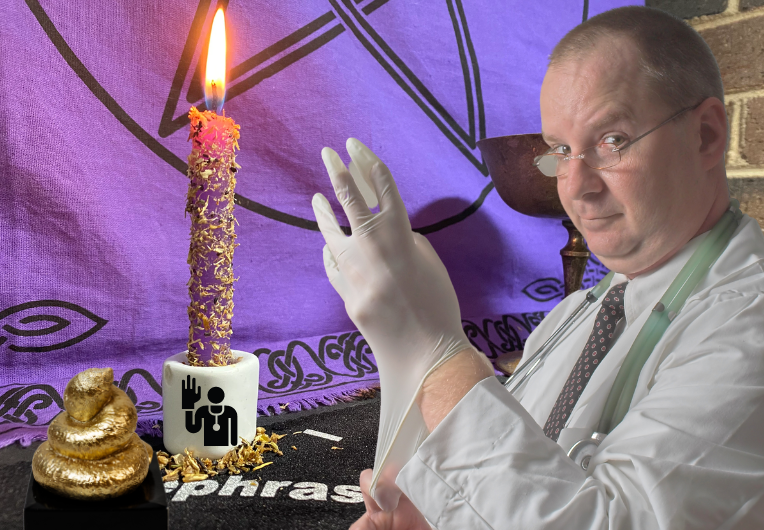
    Scatomancy, the ancient art of gazing into the abyss of the human digestive aftermath and declaring, “Behold! Your destiny lies within this steaming pile!” What could be more unhinged than… Read more.

  • Haruspex

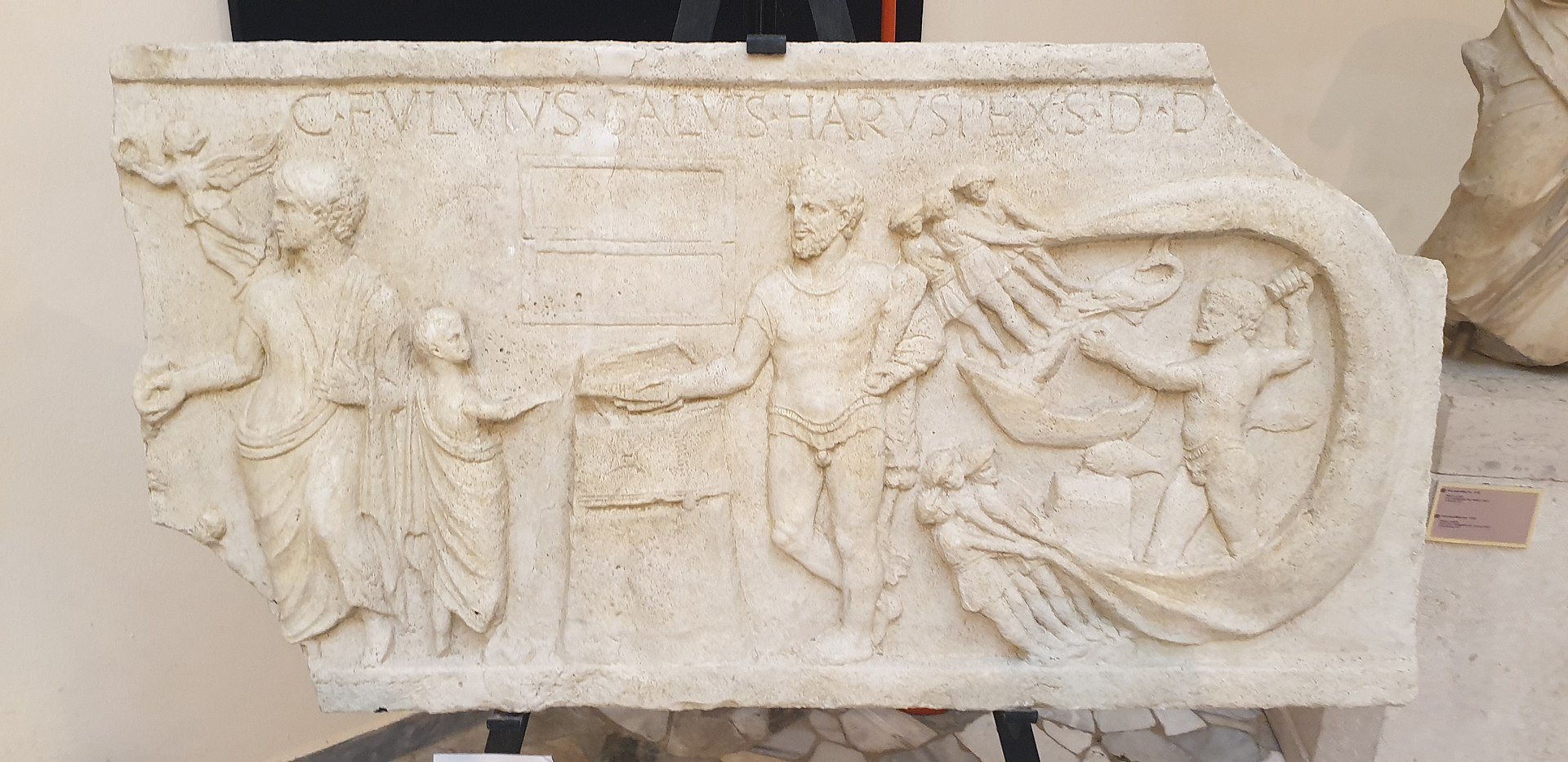
    In the religion of ancient Rome, a haruspex (plural haruspices; also called aruspex) was a person trained to practise a form of divination called haruspicy (haruspicina), the inspection of the entrails (exta—hence also extispicy (extispicium)) of sacrificed animals, especially the livers of sacrificed sheep and poultry. The… Read more.

  • Bārûtu, the “art of the diviner”

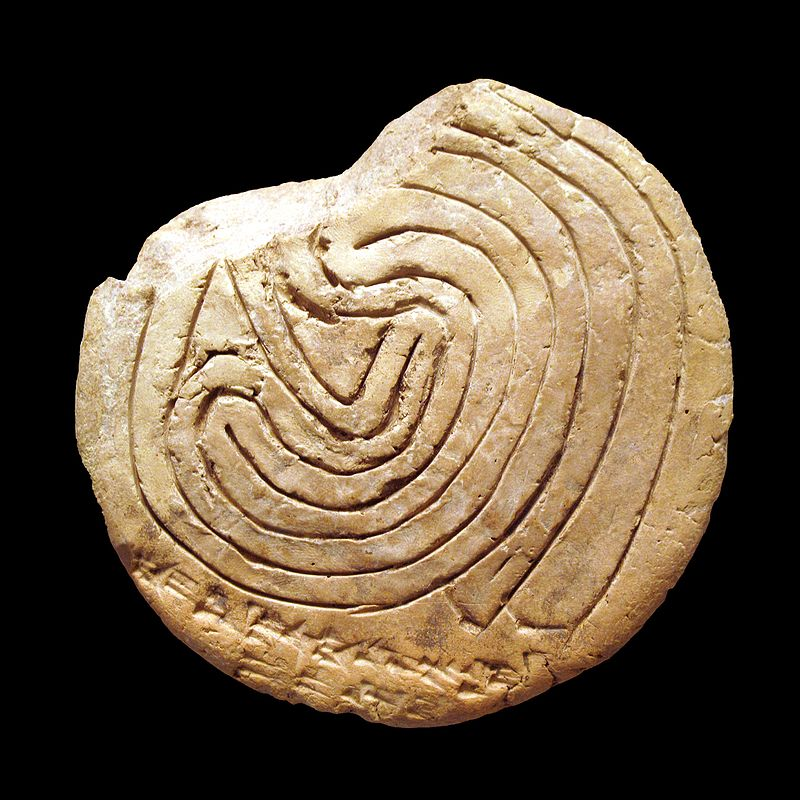
    The Bārûtu, the “art of the diviner,” is a monumental ancient  Mesopotamian compendium of the science of extispicy or sacrificial omens stretching over around a hundred cuneiform tablets which was assembled in the Neo-Assyrian/Babylonian period based upon earlier… Read more.

  • Phrygian cap notes

    The Phrygian cap or liberty cap is a soft conical cap with the apex bent over, associated in antiquity with several peoples in Eastern Europe and Anatolia, including the Persians, the Medes and the Scythians, as well as in the Balkans, Dacia, Thrace and in Phrygia, where the… Read more.

  • Renenutet aka Thermouthis or Hermouthis

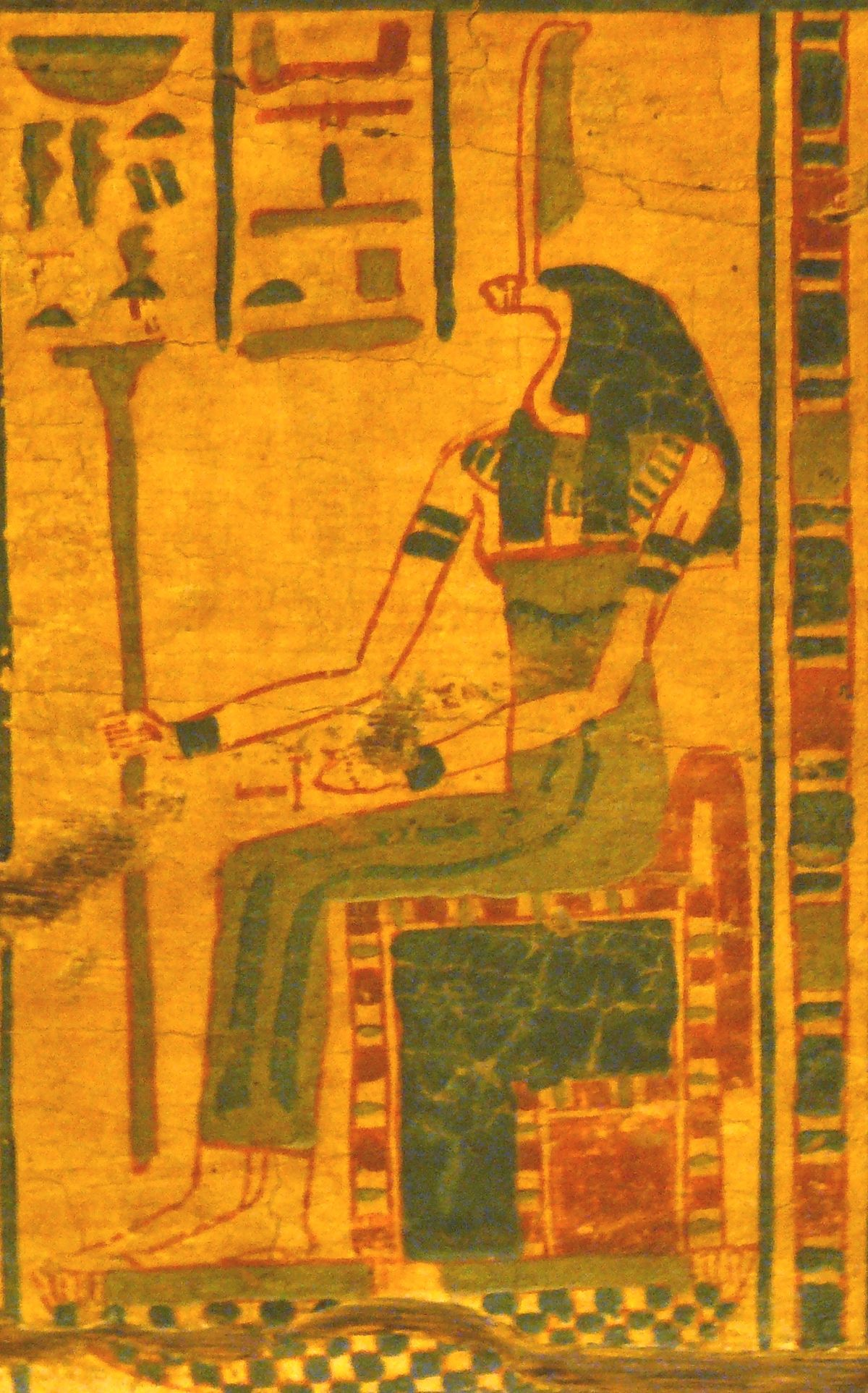
    Renenūtet (also transliterated Ernūtet, Renen-wetet, Renenet) was a goddess of nourishment and the harvest in the ancient Egyptian religion. The importance of the harvest caused people to make many offerings to Renenutet during harvest time. Initially, her… Read more.

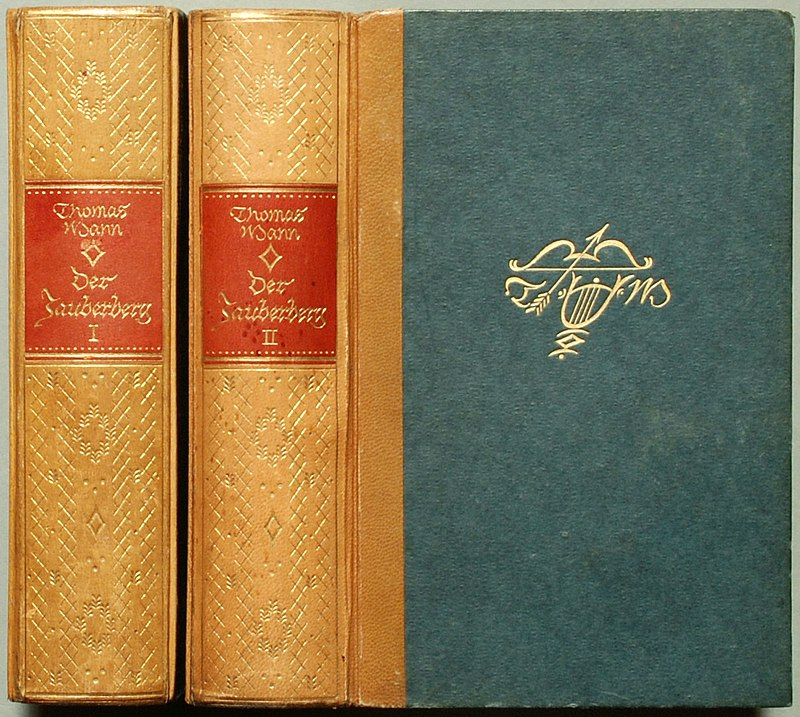
  • Herr Naphta

    The Magic Mountain (German: Der Zauberberg) is a novel by Thomas Mann, first published in German in November 1924. It is widely considered to be one of the most influential works of twentieth-century German… Read more.

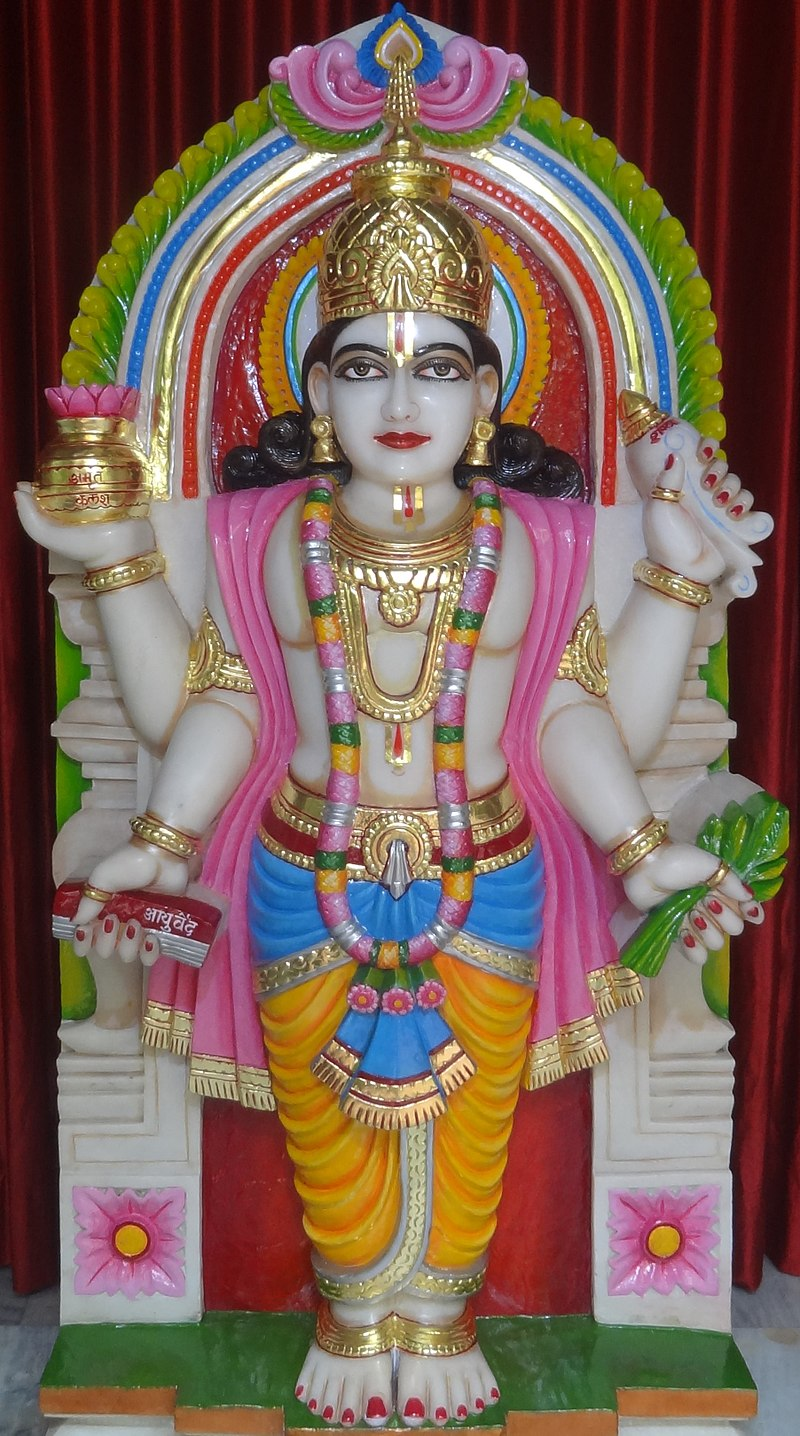
  • Dhanvantari, Deva Doctor in Hinduism Wiki

    Dhanvantari  (Dhanvantari, Dhanvamtari, ‘moving in a curve’) is the physician of the devas in Hinduism. He is regarded to be an avatar of Vishnu. He is mentioned in the Puranas as the god of Ayurveda. During his incarnation on earth, he reigned… Read more.

  • Mithridatism

    Mithridatism is the practice of protecting oneself against a poison by gradually self-administering non-lethal amounts. The word is derived from Mithridates VI, the King of Pontus, who so feared being poisoned that he regularly ingested… Read more.

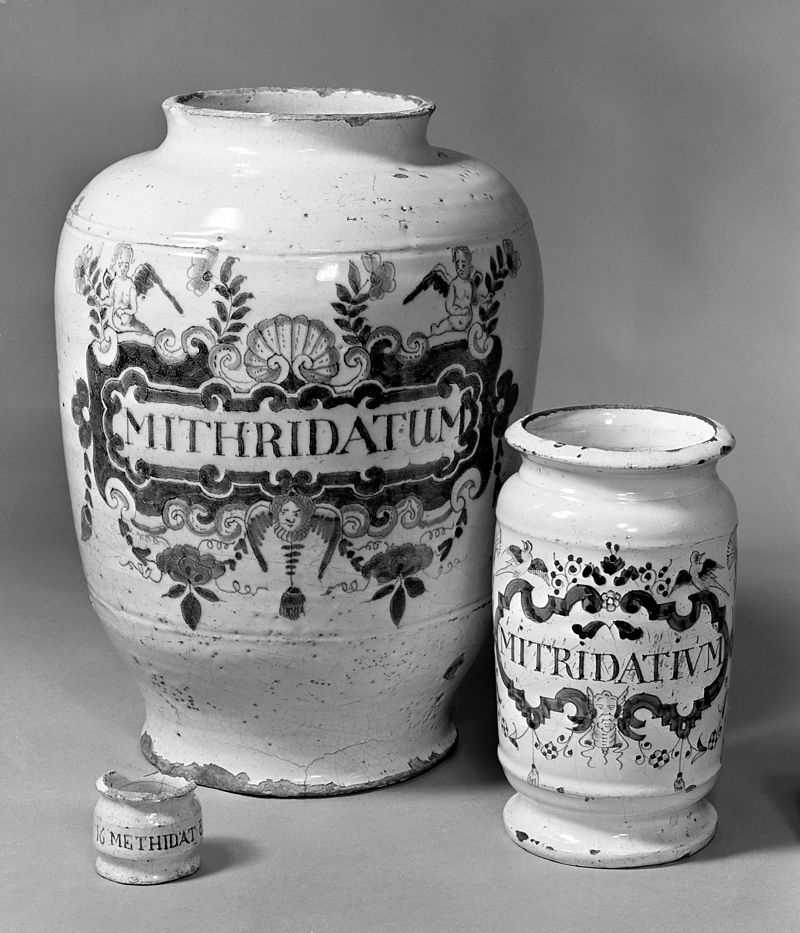
  • Mithridate

    Mithridate, also known as mithridatium, mithridatum, or mithridaticum, is a semi-mythical remedy with as many as 65 ingredients, used as an antidote for poisoning, and said to have been created by Mithridates VI Eupator of Pontus in the… Read more.

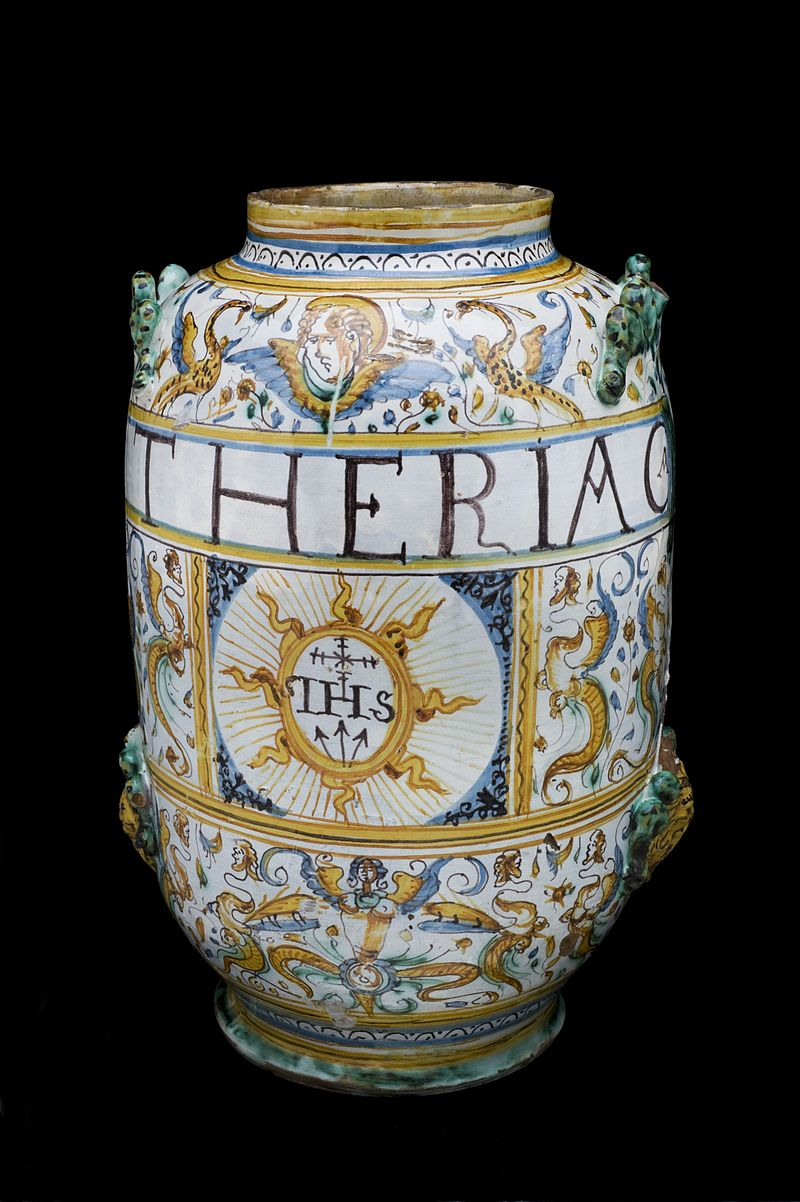
  • Theriac or Theriaca (Medical Concoction)

    Theriac or theriaca is a medical concoction originally labelled by the Greeks in the 1st century AD and widely adopted in the ancient world as far away as Persia, China and India via the trading links of the Silk Route.[1] It was… Read more.