-

Ascus (Mythology)
Ascus (Ancient Greek: Ἄσκος) was a giant from ancient Greek mythology, who in conjunction with Lycurgus of Thrace chained the god Dionysus and threw him into a river. The god Hermes (or, according to other tellings, Zeus) rescued Dionysus, conquered (ἐδαμασεν) the giant, flayed him, and made a bag (ἄσκος) of his skin.[1][2] A folk etymology once said that the town of Damascus in Syria derived its name from this event,
-
Ascus (bethesda System)
The Bethesda system (TBS), officially called The Bethesda System for Reporting Cervical Cytology, is a system for reporting cervical or vaginal cytologic diagnoses,[1] used for reporting Pap smear results. It was introduced in 1988[2] and revised in 1991,[3] 2001,[1][4][5] and 2014.[6] The name comes from the location (Bethesda, Maryland) of the conference, sponsored by the National Institutes of Health, that established the system. Since 2010, there is also a
-
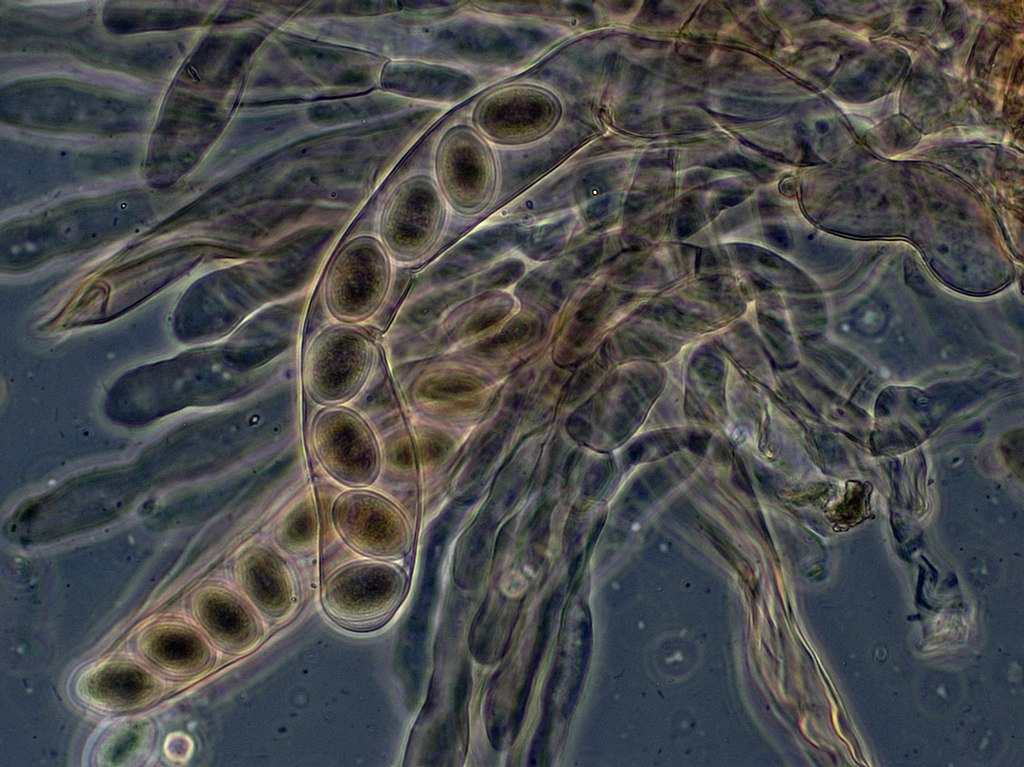
ASCUS (Formerly Theca)
This article is about the spore-bearing cell in fungi. For Atypical Squamous Cells of Undetermined Significance (ASCUS), see Bethesda system. For the Greek mythological giant, see Ascus (mythology). (pl. asci) a cell present in the fruiting body of ASCOMYCETE fungi in which the fusion of HAPLOID nuclei occurs during sexual reproduction. This is normally followed by MEIOSIS, giving rise to four haploid cells, after which MITOSIS produces eight ASCOSPORES. The precise arrangement of ascospores within the ascus enables the events at meiosis to be fully analysed (see TETRAD ANALYSIS). The asci are usually enclosed within an aggregation of hyphae termed an ASCOCARP, a number of different types being recognized, e.g. perithecium, cleistothecium, apothecium. (Collins Dictionary of Biology, 3rd ed. © W. G. Hale, V. A. Saunders, J. P. Margham 2005) An ascus (from Ancient Greek ἀσκός (askós) ‘skin bag, wineskin’; pl.: asci)[1] is the sexual spore-bearing cell produced in ascomycete fungi. Each ascus usually contains eight ascospores (or octad), produced by meiosis followed, in most species, by a mitotic cell division. However, asci in some genera
-

Thecal Sac or Dural Sac
The thecal sac or dural sac is the membranous sheath (theca) or tube of dura mater that surrounds the spinal cord and the cauda equina. The thecal sac contains the cerebrospinal fluid which provides nutrients and buoyancy to the spinal cord.[1] From the skull the tube adheres to bone at the foramen magnum and extends down to the second sacral vertebra where it tapers to cover over the filum terminale. Along most of the spinal canal it is separated
-
Relaxin
We’re about to dive into the wild world of Relaxin, the protein hormone that’s been turning heads since 1926 when Frederick Hisaw first stumbled upon it. This isn’t your average hormone – it’s a multitasking marvel that’s about to blow your mind! Researchers say this tiny protein, barely 6000 Da in size, is strutting around
-
Theca folliculi
The theca folliculi comprise a layer of the ovarian follicles. They appear as the follicles become secondary follicles. The theca are divided into two layers, the theca interna and the theca externa.[1] Theca cells are a group of endocrine cells in the ovary made up of connective tissue surrounding the follicle. They have many diverse functions, including promoting folliculogenesis and recruitment of a single
-
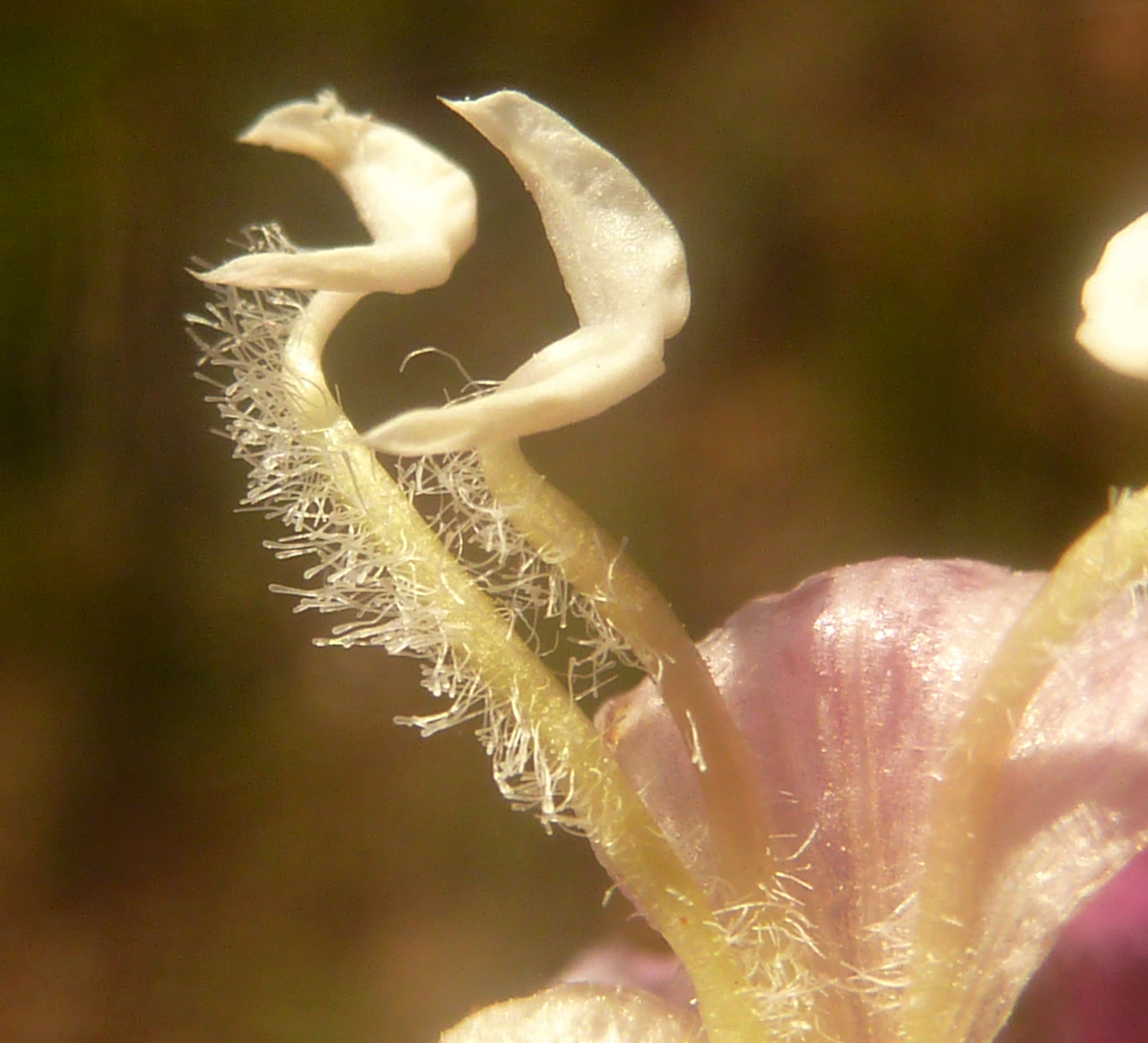
Theca
In biology, a theca (pl.: thecae) is a sheath or a covering. Botany The typical anther is bilocular, i.e. it consists of two thecae. Each theca contains two microsporangia, also known as pollen sacs. The microsporangia produce the microspores, which for seed plants are known as pollen grains. If the pollen sacs are not adjacent, or if they open separately, then no thecae are
-

Xylotheque
A xylotheque or xylothek (from the Greek xylon for “wood” and theque meaning “repository”) is special form of herbarium that consists of a collection of authenticated wood specimens.[1] It is also known as a xylarium (from the Greek xylon for “wood” and Latin arium meaning “separate place”). Traditionally, xylotheque specimens were in the form of book-shaped volumes, each made of a particular kind of wood and holding samples of the different parts
-
HFE H63D & VO2 max
SMOKE EM IF YOU GOT EM The HFE H63D is a single-nucleotide polymorphism in the HFE gene (c.187C>G, rs1799945), which results in the substitution of a histidine for an aspartic acid at amino acid position 63 of the HFE protein (p.His63Asp). HFE participates in the regulation of iron absorption. Homozygous H63D variant can occasionally be the cause of hemochromatosis. It is also
-
Transferrin binding and PH
Transferrin binding to transferrin receptors reduces its affinity for iron. Two pathways can occur once endocytosed–degradation or recycling pathways. The degradation pathway is where the dissociation of ferric ions from transferrin occurs from an early and late endosome. Iron can now be utilized for storage or incorporated into hemoglobin. The recycling pathway involves the recycling of
Recent Posts
- Titles of Nobility (TON) Prohibitions Around the World

- How TON Breaks Party Chains – Constitutional Fire Version 🔥
- Why We Have a Department of Labor (When TON Says We Shouldn’t Need One)
- What the Titles of Nobility Clauses Could Do to Federal Agencies
- Public vs. Private Hierarchy: Where TON Draws the Line (Airlines & Beyond)
Tags
2025 agriculture alchemy anthropology archaeology art biochemistry biography biology chemistry civil rights crystallography culture duplicate ecology economics endocrinology entertainment entomology folklore genetics geology glossary hematology history immunology law linguistics materials science medicine mythology neurology philosophy physiology politics psychology public health religion reproduction science smoker's paradox symbolism systems theory technology toxicology