-

Brain-derived neurotrophic factor (BDNF) aka abrineurin
Brain-derived neurotrophic factor (BDNF), or abrineurin, is a protein that, in humans, is encoded by the BDNF gene. BDNF is a member of the neurotrophin family of growth factors, which are related to the canonical nerve growth factor (NGF), a family which also includes NT-3 and NT-4/NT-5. Neurotrophic factors are found in the brain and the periphery. BDNF was first isolated from a pig brain in 1982 by Yves-Alain Barde and Hans Thoenen. BDNF
-

Neurotrophin-3 and Neurotrophin-4
Neurotrophin-4 (NT-4), also known as neurotrophin-5 (NT-5), is a protein that in humans is encoded by the NTF4 gene. It is a neurotrophic factor that signals predominantly through the TrkB receptor tyrosine kinase. NT-4 was first discovered and isolated from xenopus and viper in the year 1991 by Finn Hallbook et.al Neurotrophin-3 is a protein that in humans is encoded by the NTF3 gene. The protein encoded by this gene, NT-3, is a neurotrophic factor in the NGF (Nerve
-
Sortilin
Sortilin (SORT1) is a protein that in humans is encoded by the SORT1 gene on chromosome 1. This protein is a type I membrane glycoprotein in the vacuolar protein sorting 10 protein (Vps10p) family of sorting receptors. While it is ubiquitously expressed in many tissues, sortilin is most abundant in the central nervous system. At the cellular level, sortilin functions in protein transport between the Golgi apparatus, endosome, lysosome, and plasma membrane, leading
-
A growth factor receptor is a receptor that binds to a growth factor
Growth factor receptors are the first stop in cells where the signaling cascade for cell differentiation and proliferation begins. Growth factors, which are ligands that bind to the receptor are the initial step to activating the growth factor receptors and tells the cell to grow and/or divide. These receptors may use the JAK/STAT, MAP kinase, and PI3 kinase pathways. A majority
-
Nerve Growth Factor
Nerve growth factor (NGF) is a neurotrophic factor and neuropeptide primarily involved in the regulation of growth, maintenance, proliferation, and survival of certain target neurons. It is perhaps the prototypical growth factor, in that it was one of the first to be described. Since it was first isolated by Nobel Laureates Rita Levi-Montalcini and Stanley Cohen in 1956, numerous biological processes involving NGF have been identified,
-
The Two-Faced Troublemaker: Bacillus cereus, the Jekyll and Hyde of Bacteria
Bacillus cereus is the bacterial world’s very own shape-shifting supervillain! This microscopic menace is the master of disguise, equally at home in your garden soil as it is crashing your dinner party. Picture, if you will, a rod-shaped rascal with a penchant for party-crashing. B. cereus is the uninvited guest that turns your lovely meal
-
Flacherie (and a ridiculous history of Bt development…roundabout)
History of Bt Development as told in New Innovative Pesticides: An Evaluation of Incentives and Disincentives for Commercial Development by Industry, Stanford Research Institute (Final Report dated September 1977, Prepared for Economic Analysis Branch Criteria and Evaluation Division Office of Pesticide Programs US Environmental Protection Agency Washington DC) Punctuation if nothing else may be wonky
-
Bacillus thuringiensis: the James Bond of biological pest control
In the microscopic world of bacteria, Bacillus thuringiensis (Bt), a gram-positive, soil-dwelling microbe is the go-to secret agent for farmers and gardeners worldwide, thanks to its uncanny ability to produce crystal-clear killers. From Silkworms to Superbugs Our story begins in 1902 when Japanese sericultural engineer Ishiwatari Shigetane stumbled upon a mysterious ailment causing silkworms to
-

Laterite
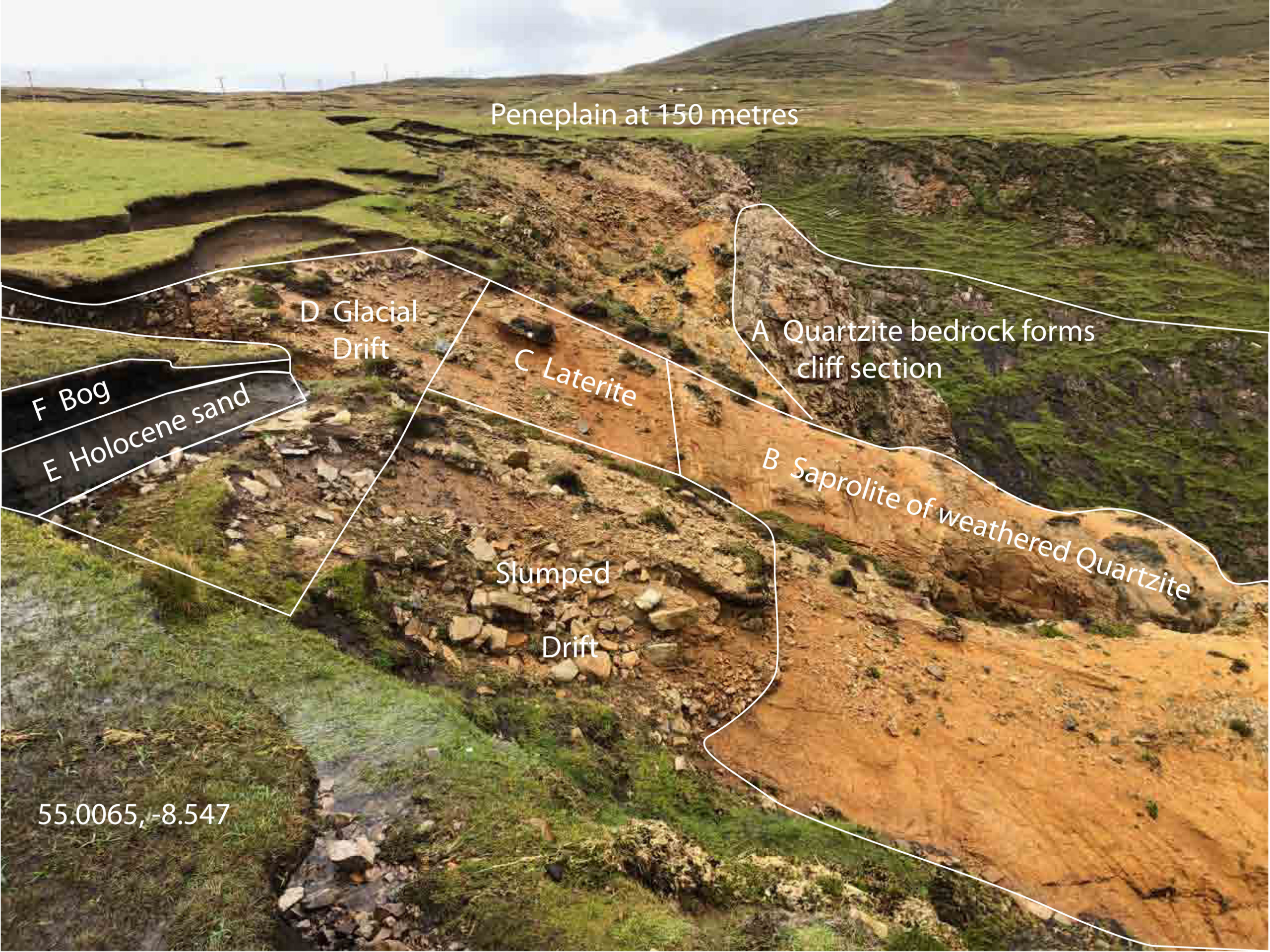
Laterite is a soil type rich in iron and aluminium and is commonly considered to have formed in hot and wet tropical areas. Nearly all laterites are of rusty-red coloration, because of high iron oxide content. They develop by intensive and prolonged weathering of the underlying parent rock, usually when there are conditions of high temperatures and heavy rainfall with alternate wet and dry periods. The
-
Saprolite
Saprolite is a chemically weathered rock. Saprolites form in the lower zones of soil profiles and represent deep weathering of the bedrock surface. In most outcrops, its color comes from ferric compounds. Deeply weathered profiles are widespread on the continental landmasses between latitudes 35°N and 35°S. Conditions for the formation of deeply weathered regolith include a topographically moderate relief flat enough to prevent erosion and to allow leaching of the products of chemical weathering. A second
Recent Posts
- TON vs. Global Trends and National Enrollment

- TON vs. Smoking Bans & Smoker/Nonsmoker Disparity
- Titles of Nobility (TON) Prohibitions Around the World
- How TON Breaks Party Chains – Constitutional Fire Version 🔥
- Why We Have a Department of Labor (When TON Says We Shouldn’t Need One)
Tags
2025 agriculture alchemy anthropology archaeology art biochemistry biography biology chemistry civil rights crystallography culture duplicate ecology economics endocrinology entertainment entomology folklore genetics geology glossary hematology history immunology law linguistics materials science medicine mythology neurology philosophy physiology politics psychology public health religion reproduction science smoker's paradox symbolism systems theory technology toxicology