-

Tetramers and tetrameric protein
A tetramer is an oligomer formed from four monomers or subunits. The associated property is called tetramery. An example from inorganic chemistry is titanium methoxide with the empirical formula Ti(OCH3)4, which is tetrameric in solid state and has the molecular formula Ti4(OCH3)16. An example from organic chemistry is kobophenol A, a substance that is formed by combining four molecules of resveratrol. In biochemistry, it similarly refers to a biomolecule formed of four units, that are the
-
Avidin is a tetrameric biotin-binding protein produced in the oviducts of birds, reptiles, amphibians
Dimeric members of the avidin family are also found in some bacteria. In chicken egg white, avidin makes up approximately 0.05% of total protein (approximately 1800 μg per egg). The tetrameric protein contains four identical subunits (homotetramer), each of which can bind to biotin (Vitamin B7, vitamin H) with a high degree of affinity and specificity. The dissociation constant of the avidin-biotin complex
-
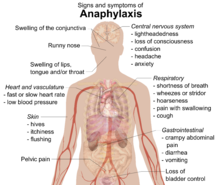
Albumen Prints and Egg Whites…All the Rage Back in the Day…and A Few Other Things
The albumen print, also called albumen silver print, was published in January 1847 by Louis Désiré Blanquart-Evrard, and was the first commercially exploitable method of producing a photographic print on a paper base from a negative. It used the albumen found in egg whites to bind the photographic chemicals to the paper and became the dominant form of photographic positives from 1855 to the start
-

p-Phenylenediamine (PPD) is a derivative of aniline used in kevlar, hair dye and henna substitutions among other things, the derivatives of which are used in antiozonants among other horrors
p-Phenylenediamine (PPD) is an organic compound with the formula C6H4(NH2)2. This derivative of aniline is a white solid, but samples can darken due to air oxidation.It is mainly used as a component of engineering polymers and composites like kevlar. It is also an ingredient in hair dyes and is occasionally used as a substitute for henna. Production PPD is produced via three routes. Most commonly, 4-nitrochlorobenzene is treated
-
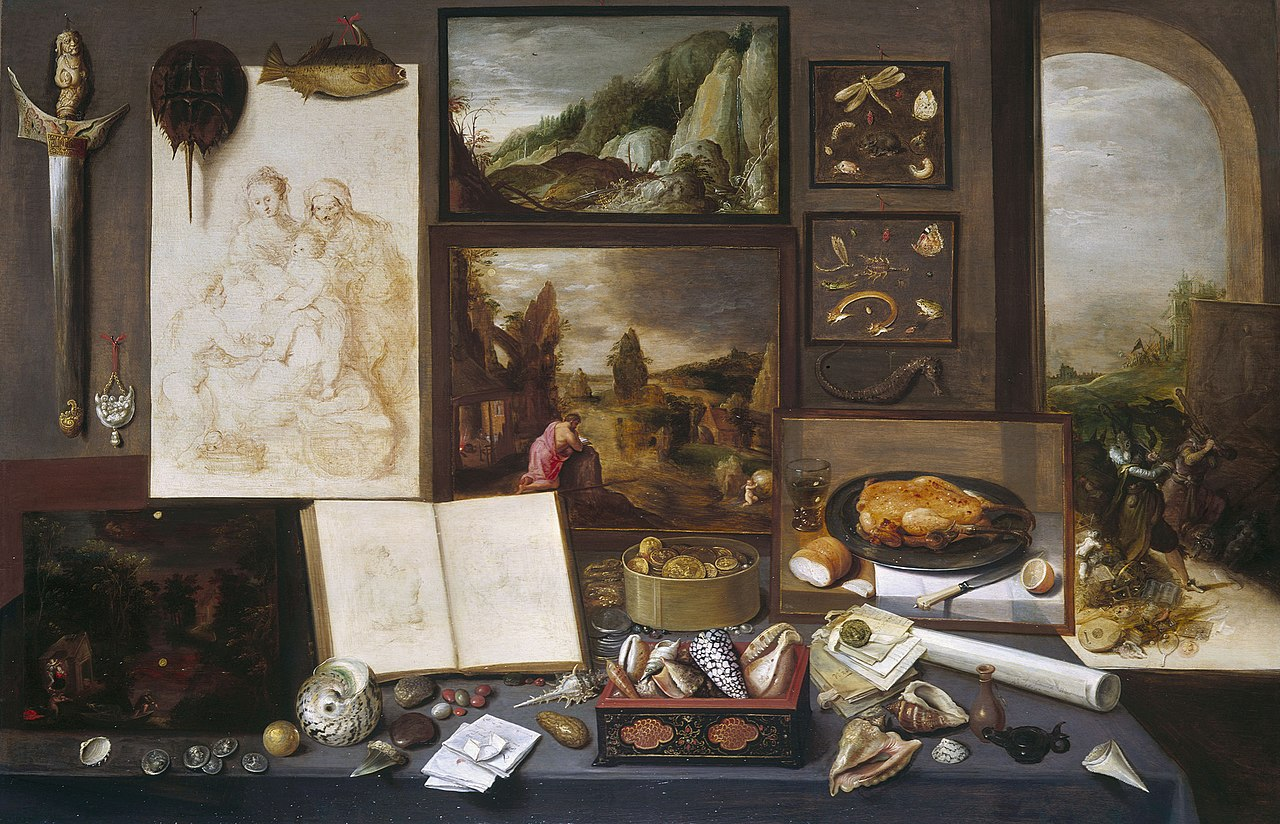
Paintings by Frans Francken the Younger
Frans Francken the Younger (1581 –1642) was a Flemish painter and the best-known and most prolific member of the large Francken family of artists. He painted large altarpieces for churches as well as smaller historical, mythological and allegorical scenes. His depictions of collectors’ cabinets established a popular new genre of art in the era. Francken often collaborated with other artists, adding figures and narrative elements
-
Decline of thunderstone mythology
Even as late as the 17th century, a French ambassador brought a stone hatchet, which still exists in the museum at Nancy, as a present to the Prince-Bishop of Verdun, and claimed that it had healing properties. Andrew Dickson White described the discovery of the true origin of thunderstones as a “line of observation and thought …
-

Fossils as thunderstones
In many parts of southern England until the middle of the nineteenth century, another name commonly used for fossil Echinoids was ‘thunderstone’, though other fossils such as belemnites and (rarely) ammonites were also used for this purpose. In 1677 Dr. Robert Plot, the first keeper of the Ashmolean Museum in Oxford, published his classic book The Natural History of Oxfordshire. Plot recorded that in Oxfordshire what are now
-
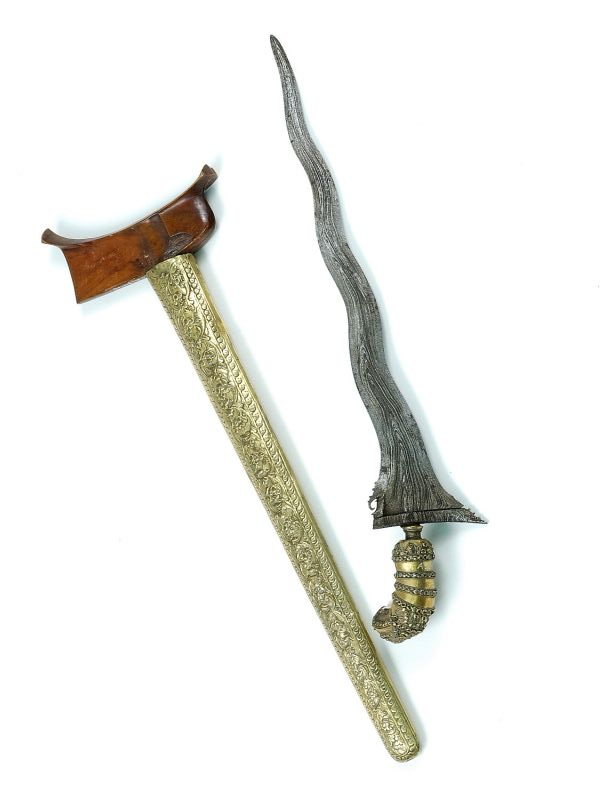
Thunderstones (and Touchstones) in Asian Tradition
In Burma they are used as a cure and preventative for appendicitis. In Japan they cure boils and ulcers. In Malaysia and Sumatra they are used to sharpen the kris, are considered very lucky objects, and have been credited with being touchstones for gold. A touchstone is a small tablet of dark stone such as slate or lydite, used for assaying precious metal alloys. It has a
-
Thunderstones in European Folklore
In Scandinavia thunderstones were frequently worshiped as family gods who kept off spells and witchcraft. Beer was poured over them as an offering, and they were sometimes anointed with butter. In Switzerland the owner of a thunderstone whirls it, on the end of a thong, three times around his head, and throws it at the door of his dwelling at the approach of
-
A 12th century Bishop of Rennes asserted the value of thunderstones as a divinely appointed means of securing success in battle, safety on the sea, security against thunder, and immunity from unpleasant dreams
During the Middle Ages many of these well-wrought thunderstones were venerated as weapons, which during the “war in heaven” had been used in driving forth Satan and his hosts. Hence, in the 11th century the Byzantine emperor sent to the Holy Roman emperor a “heaven axe”; and in the 12th century, a Bishop of Rennes asserted the value of thunderstones as a divinely appointed means
Recent Posts
- Corporate “persons” are a perfect example of a Titles of Nobility (TON) violation
- TON vs. Global Trends and National Enrollment
- TON vs. Smoking Bans & Smoker/Nonsmoker Disparity
- Titles of Nobility (TON) Prohibitions Around the World
- How TON Breaks Party Chains – Constitutional Fire Version 🔥
Tags
2025 agriculture alchemy anthropology archaeology art biochemistry biography biology chemistry civil rights crystallography culture duplicate ecology economics endocrinology entertainment entomology folklore genetics geology glossary hematology history immunology law linguistics materials science medicine mythology neurology philosophy physiology politics psychology public health religion reproduction science smoker's paradox symbolism systems theory technology toxicology