-
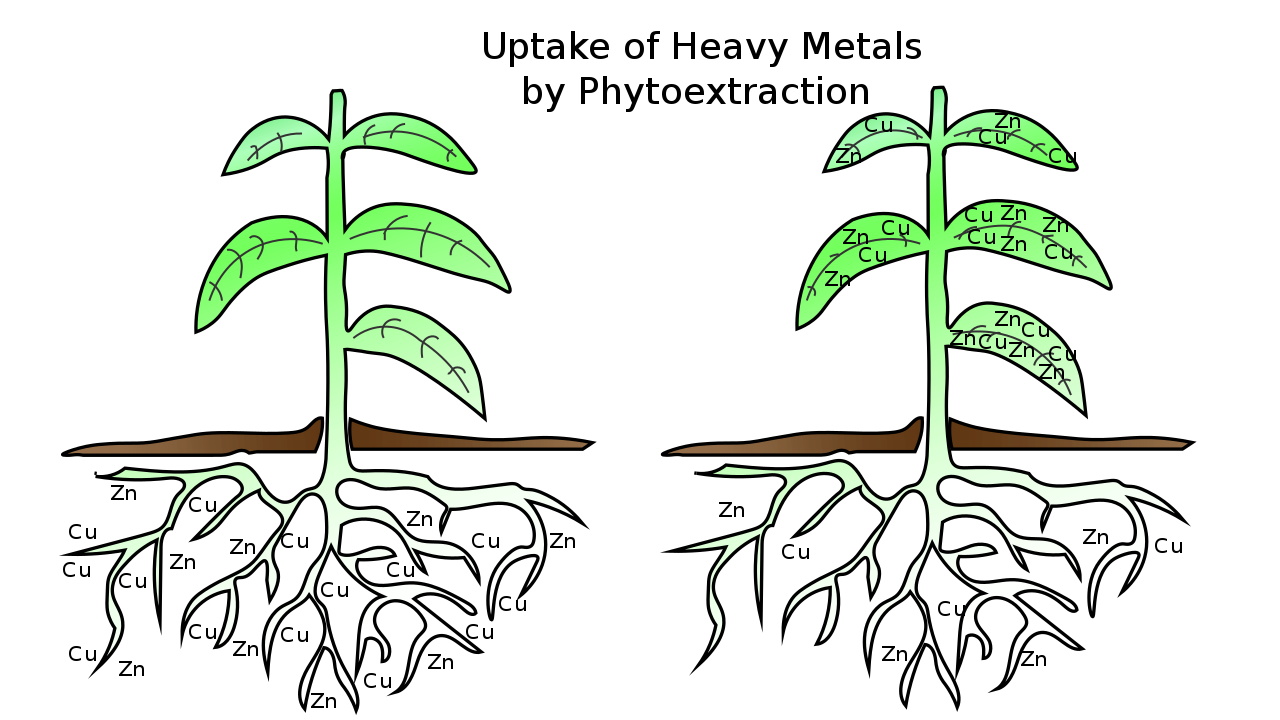
Phytoextraction Is the Removal of Dangerous Elements or Compounds From Soil or Water by Plants
Phytoextraction is a subprocess of phytoremediation in which plants remove dangerous elements or compounds from soil or water, most usually heavy metals, metals that have a high density and may be toxic to organisms even at relatively low concentrations. The heavy metals that plants extract are toxic to the plants as well, and the plants used for phytoextraction are
-
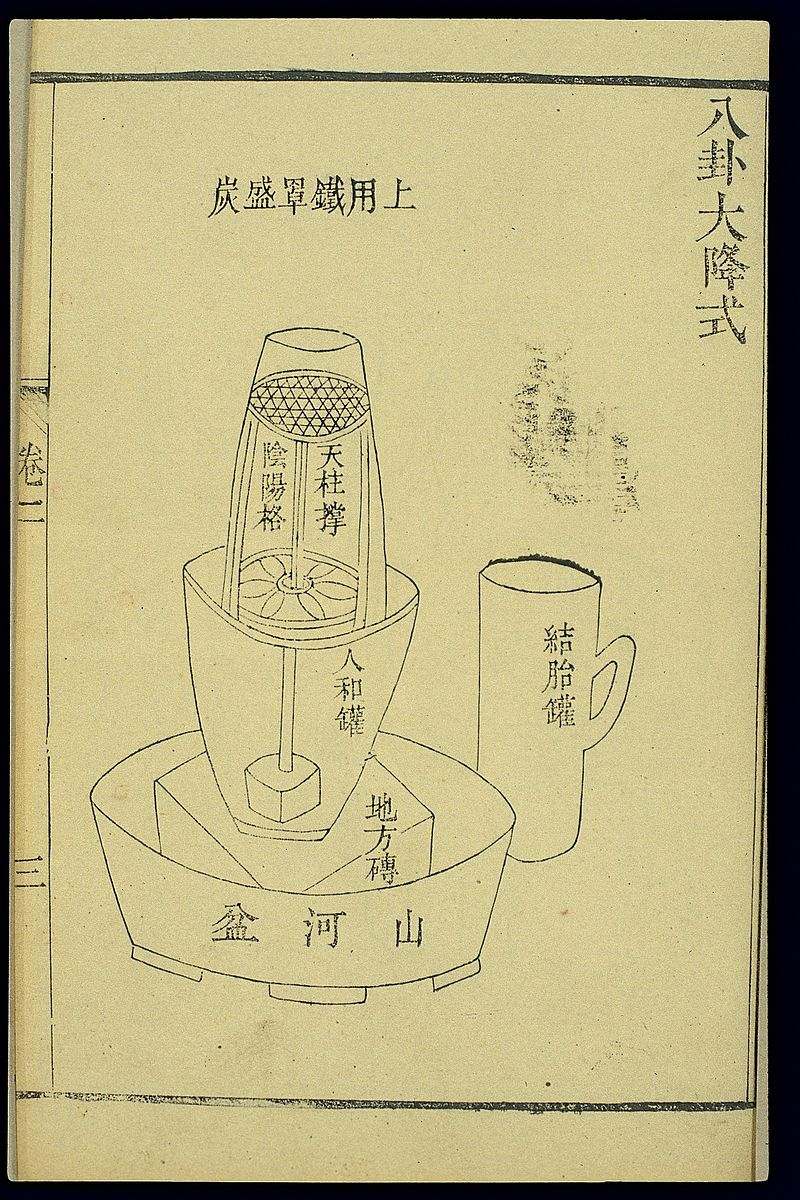
Langgan 琅玕 Is the Ancient Chinese Name of a Gemstone Which Remains an Enigma In The History of Mineralogy; Identified, Variously, As Blue-Green Malachite, Blue Coral, White Coral, Whitish Chalcedony, Red Spinel, and Red Jade
It is also the name of a mythological langgan tree of immortality found in the western paradise of Kunlun Mountain, and the name of the classic waidan alchemical elixir of immortality langgan huadan 琅玕華丹 “Elixir Efflorescence of Langgan”. Waidan, translated as ‘external alchemy‘ or ‘external elixir‘, is the early branch of Chinese alchemy that focuses upon compounding elixirs of immortality by heating minerals, metals, and other natural substances
-
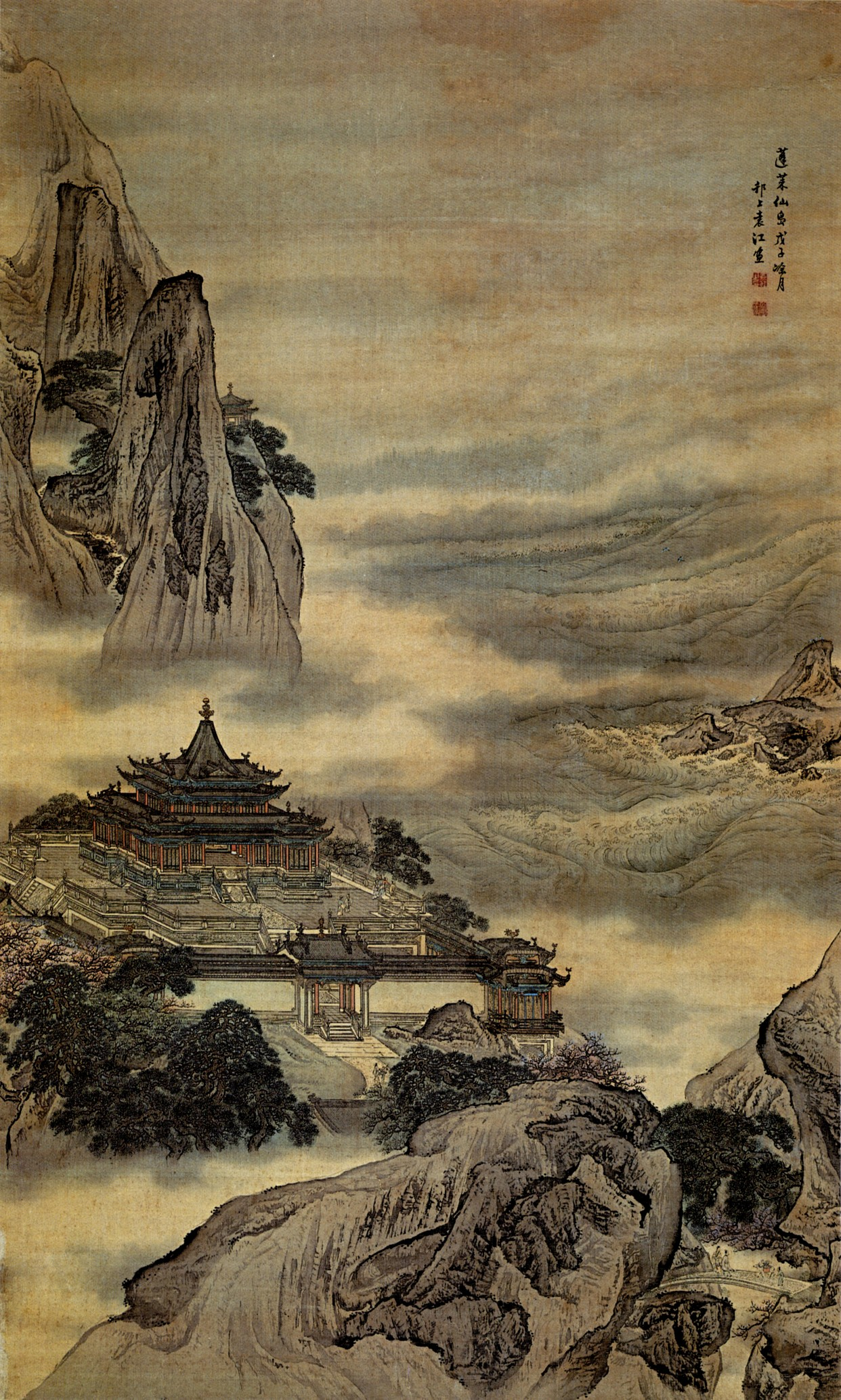
In Chinese Alchemy, Elixir Poisoning Refers to Toxic Effects from Elixirs of Immortality That Contained Metals and Minerals Such as Mercury and Arsenic
In Chinese alchemy, elixir poisoning refers to the toxic effects from elixirs of immortality that contained metals and minerals such as mercury and arsenic. The official Twenty-Four Histories record numerous Chinese emperors, nobles, and officials who died from taking elixirs to prolong their lifespans. The first emperor to die from elixir poisoning was likely Qin Shi Huang (d. 210 BCE) and the last was the Yongzheng Emperor (d. 1735 CE). Despite common knowledge
-
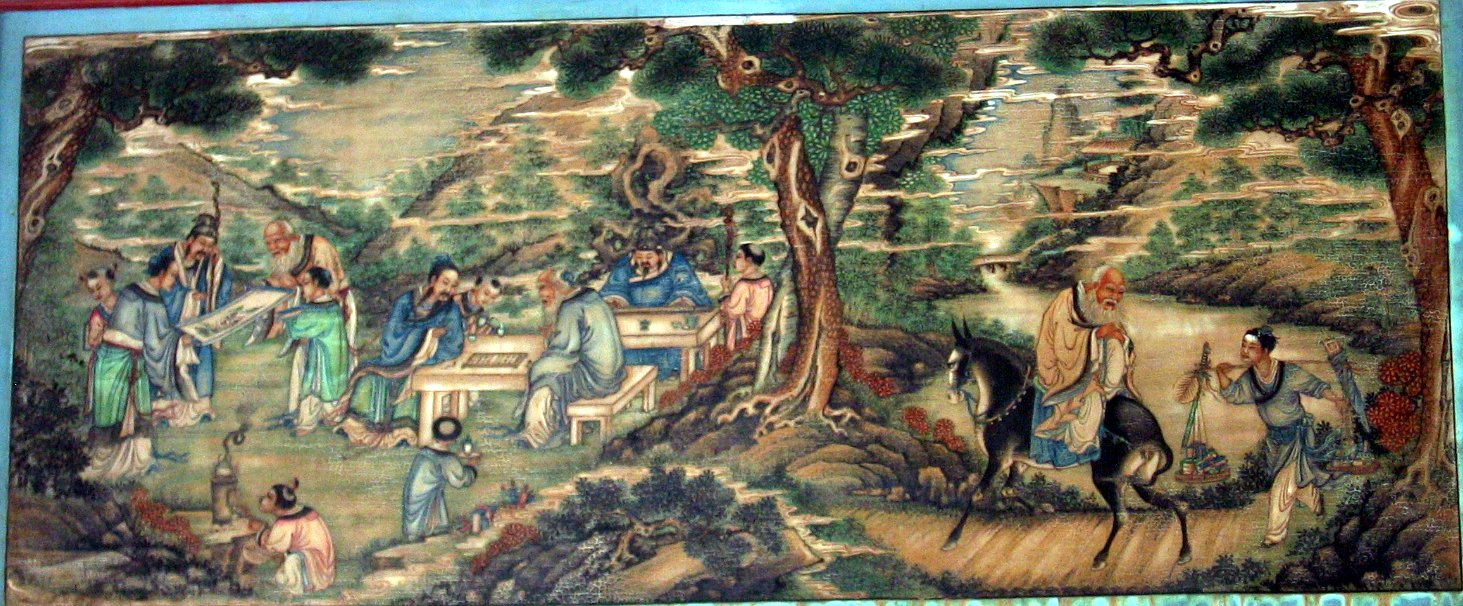
Cold-Food Powder or Five Minerals Powder, Poisonous Psychoactive Drug Popular During the Six Dynasties (220–589) and Tang Dynasty (618–907)
Cold-Food Powder (Chinese: 寒食散; pinyin: hánshísǎn; Wade–Giles: han-shih-san) or Five Minerals Powder (Chinese: 五石散; pinyin: wǔshísǎn; Wade–Giles: wu-shih-san) was a poisonous psychoactive drug popular during the Six Dynasties (220–589) and Tang dynasty (618–907) periods of China. Terminology Both Chinese names hanshisan and wushisan have the suffix -san (散, lit. “fall apart; scattered”), which means “medicine in powdered form” in Traditional Chinese medicine. Wushi (lit. “five rock”) refers to the component mineral drugs, typically: fluorite, quartz, red bole clay, stalactite, and sulfur. Hanshi (lit. “cold food”) refers to eating cold foods and bathing in cold water
-
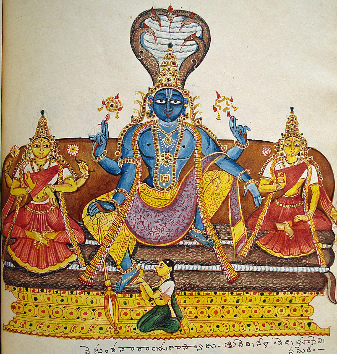
Kaustubha, divine ruby or gem in Hindu mythology
Kaustubha (Sanskrit: कौस्तुभ, romanized: Kaustubha, lit. ‘crest jewel’) is a divine ruby or ratnam (gem) in Hindu mythology.[1] This gem is in the possession of Vishnu, granting him the epithet of Kaustubhadhari. It is believed in Hindu scriptures to be the most magnificent ratnam in all of creation, at the time of the churning of the ocean, and acts as a symbol of divine authority.[2] Legend In Hindu mythology, the devas and the asuras performed
-
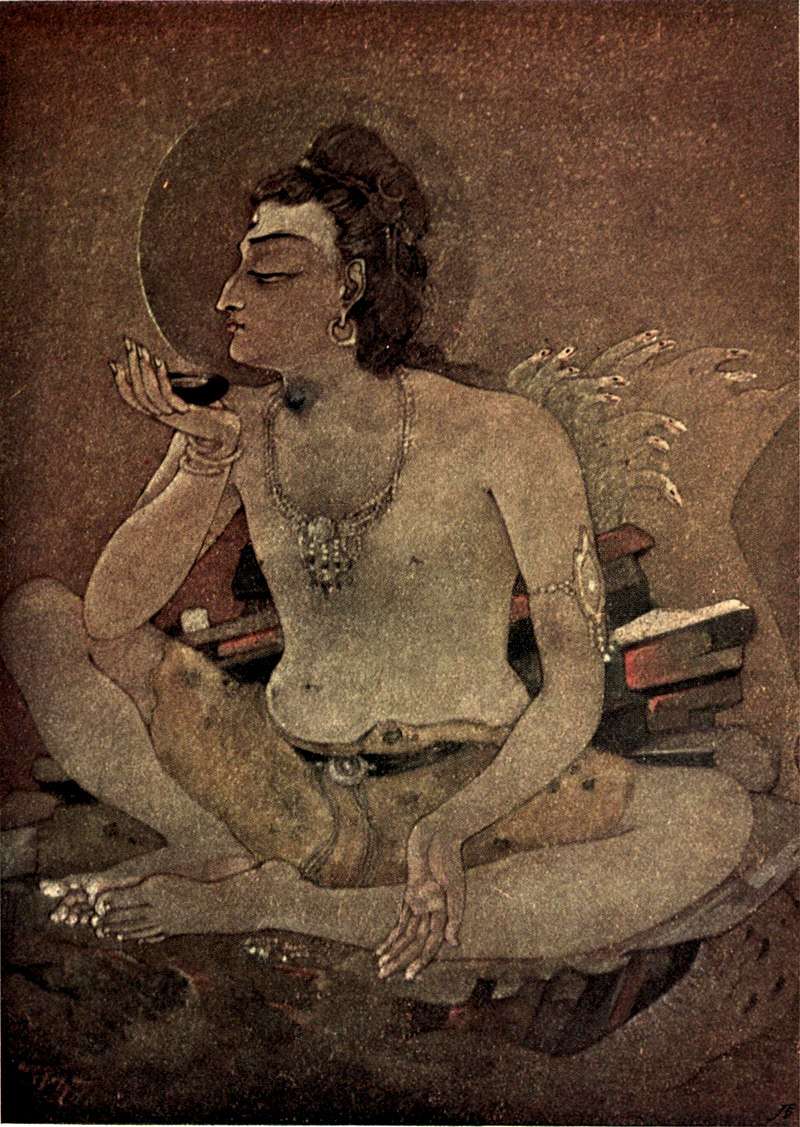
Halāhala or kālakūṭa poison
Halāhala (Sanskrit हलाहल) or kālakūṭa (Sanskrit कालकूटं, literally: ‘black mass’ or ‘time puzzle’[1]) is the name of a poison in Hindu mythology. It was created from the Ocean of Milk when the devas and the asuras churned it (see Samudra Manthana) in order to obtain amrita, the nectar of immortality. Fourteen different ratnas (treasures) were recovered from this episode, which were distributed between the two clans. But before the amrita could be formed,
-
Lumiflavin and Lumichrome notes (and something called Autochrome)
Lumiflavin is a toxic product of photolysis of vitamin B2. Lumiflavin is a compound showing yellow-green fluorescence, formed by a photolysis of riboflavin in alkaline solution. Lumiflavin 1948-Present Lumichrome 1944-Present The Autochrome Lumière was an early color photography process patented in 1903 by the Lumière brothers in France and first marketed in 1907. Autochrome was an additive color “mosaic screen plate” process. It was the principal color photography process in use before the
-
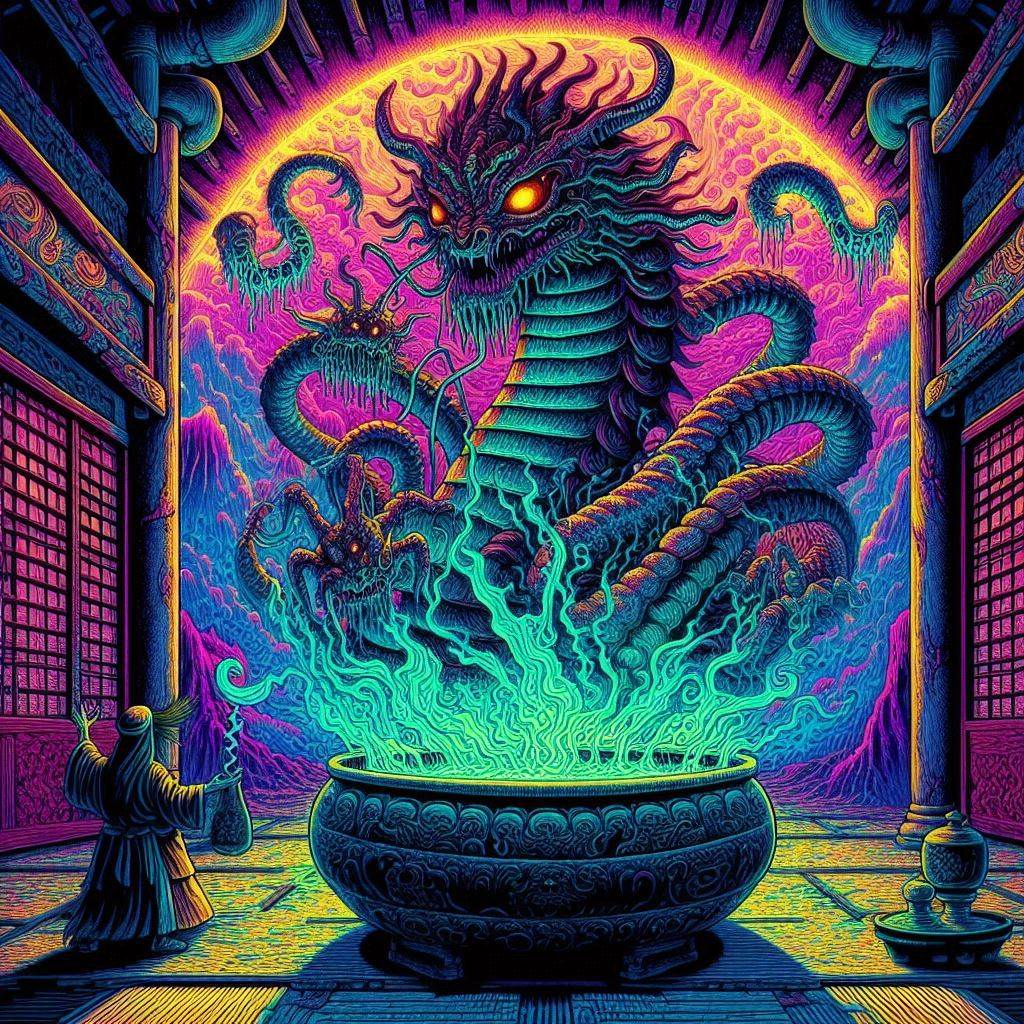
Kodoku: The Venomous Vortex of Ancient Curses
Here’s one that might make your skin crawl and your blood run cold. Welcome to the world of Kodoku, the sinister sorcery that turns creepy crawlies into catastrophic curses. Imagine, if you dare, a jar teeming with nature’s most venomous vermin – scorpions, centipedes, and snakes, oh my! But this is no petting zoo, my
-
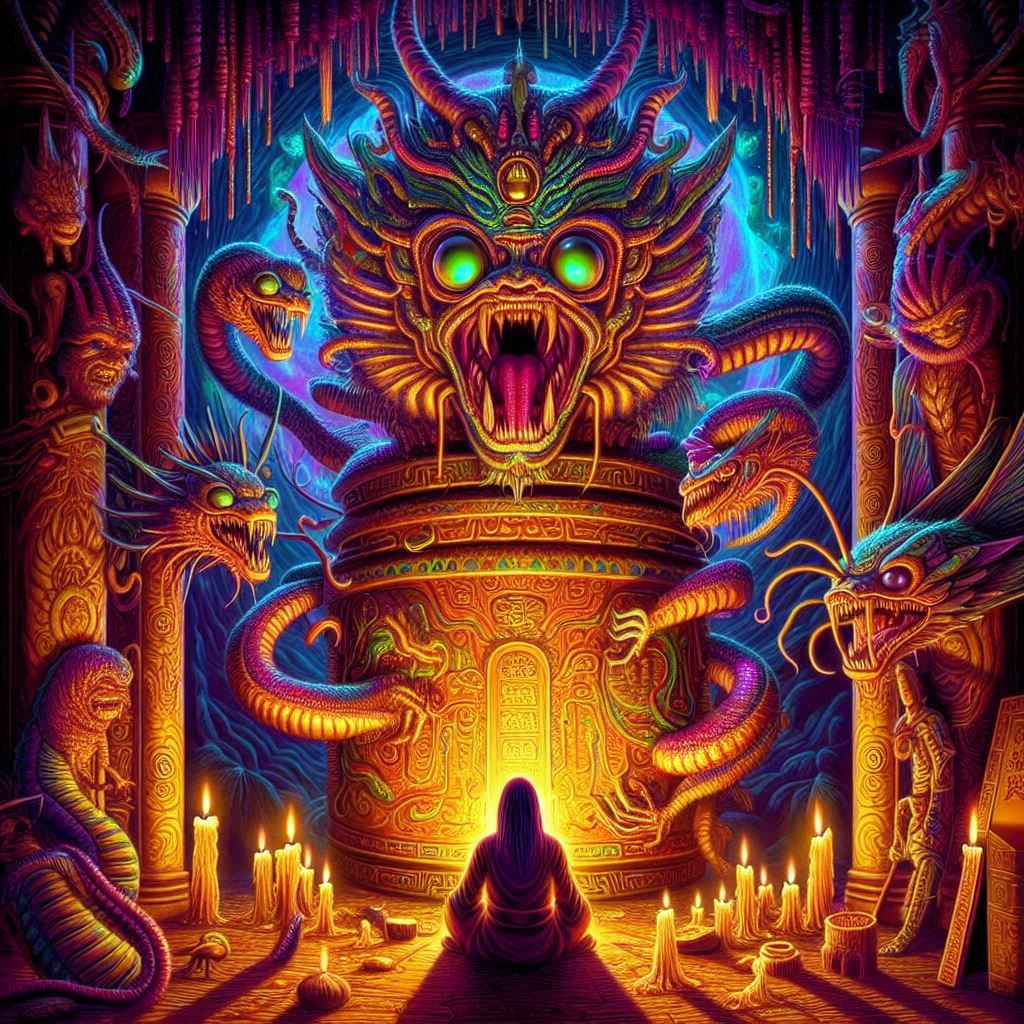
Gu: The Venomous Vortex of Ancient Chinese Sorcery Wiki
Here is another that may make your skin crawl and your blood run cold! Welcome to the world of Gu, the sinister sorcery that turns creepy crawlies into catastrophic curses. Picture, if you dare, a jar teeming with nature’s most venomous vermin – centipedes, snakes, and scorpions, oh my! But this is no petting zoo,
-

Freeze branding aka CryoBranding and the resulting brands, trichoglyphs, is a technique involving a cryogenic coolant instead of heat to produce permanent marks on a variety of animals
The coolant is used to lower the temperature of a branding iron such that its application to shaved skin will permanently alter hair follicles. The intense cold destroys the pigmentation apparatus in the animal’s hair follicles, leaving all subsequent hair growth without color. This creates a high-contrast, permanent mark in the shape of the branding iron’s head. A longer application of the cold iron can also
Recent Posts
- Corporate “persons” are a perfect example of a Titles of Nobility (TON) violation

- TON vs. Global Trends and National Enrollment
- TON vs. Smoking Bans & Smoker/Nonsmoker Disparity
- Titles of Nobility (TON) Prohibitions Around the World
- How TON Breaks Party Chains – Constitutional Fire Version 🔥
Tags
2025 agriculture alchemy anthropology archaeology art biochemistry biography biology chemistry civil rights crystallography culture duplicate ecology economics endocrinology entertainment entomology folklore genetics geology glossary hematology history immunology law linguistics materials science medicine mythology neurology philosophy physiology politics psychology public health religion reproduction science smoker's paradox symbolism systems theory technology toxicology