-

🧬💔 The Intimacy Rift
SCN⁻ Deficiency and the Fragmentation of Covenant Exchange in Man and Beast (and the effect on food supply)
-
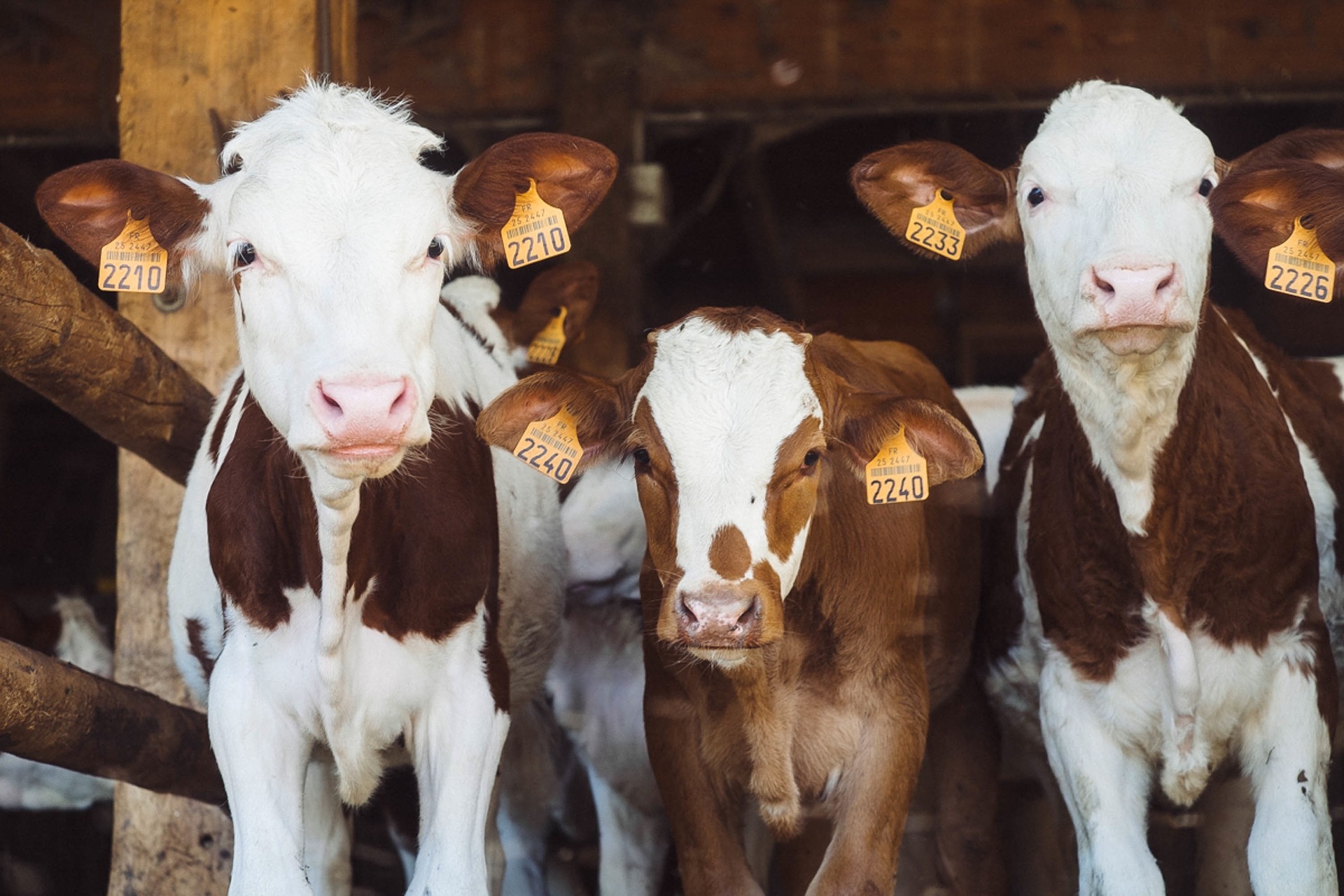
🐄📜 The Culling Threshold: Rapeseed Meal, Livestock Illness, Birth of Canola
🔥 1940s–1950s: Rapeseed Meal Emerges as Feed 🧪 1950s–1960s: Illness Intensifies, Culling Begins 🌱 1960s–1970s: LEAR Breeding Begins Culling has actually dramatically increased over the past century, and especially in recent decades, due to a shift in how livestock and poultry are managed, bred, and industrialized. We attempt to trace the rise of culling below.
-
🧬🧂 “The Sodium Key”: SCN⁻ as the Holy Grail of Mammalian Biology
In the cathedral of mammalian terrain, one molecule stands as both sentinel and sacrament: thiocyanate (SCN⁻). Born of sulfur, nitrogen, and sodium, SCN⁻ is not merely a compound, it is a covenant. A terrain-tuning molecule that links diet, immunity, and systemic resilience across species and centuries. 🧂 Sodium: The Forgotten Gatekeeper SCN⁻ cannot form or
-
🐄🥛 The Milkmaids: Linking Cowpox Immunity to SCN⁻ in Raw Milk
In 1796, Edward Jenner famously inoculated eight-year-old James Phipps with material from the cowpox lesions of dairymaid Sarah Nelmes. Phipps did not contract smallpox when later exposed, confirming Jenner’s hypothesis: cowpox conferred immunity to smallpox. But what if the milkmaid’s immunity was not solely viral? 🌿 Terrain Hypothesis: SCN⁻ as Biochemical Guardian Thiocyanate (SCN⁻), a
-
The Other SCN (Suprachiasmatic Nucleus) and the Connection to SCN- (Thiocyanate)
These two entities share the same abbreviation (SCN), yet reside in vastly different terrains: one biochemical (thiocyanate), the other neuroanatomical (suprachiasmatic nucleus). Let’s explore whether they intersect, metaphorically or materially. 🧪 SCN⁻: Thiocyanate 🧠 SCN: Suprachiasmatic Nucleus 🧩 Possible Connections: Symbolic and Biochemical While there’s no direct biochemical pathway linking SCN⁻ to the SCN, there
-
Notes on Predatory Employment
Predatory Employment Practices: A Legal and Constitutional Analysis The workplace should be a bastion of liberty and dignity, yet predatory employment practices persist as modern-day tools of oppression. These practices, ranging from exclusionary clauses and invasive physical inspections to exploitative psychological exams, are not just unethical but, in many instances, unlawful. They violate the spirit
-
🧬 Disease Table with Low Sodium Connection
Disease / Condition Incidence Since 1977 Low Sodium Connection Obesity 🡅🡅 ✅ Chronic sodium deficiency disrupts leptin and aldosterone signaling, impairing satiety and promoting fat retention. SCN⁻ depletion (repressed due to sodium deficiency) compounds this by weakening mitochondrial oxidation and terrain resilience. Type 2 Diabetes 🡅🡅 ✅ Low sodium destabilizes insulin signaling and renal glucose
-

🧂 Sodium Reduction and Sodium Replacement: A History
The dance between sodium reduction and sodium replacement in U.S. food policy is not a recent improvisation but a decades-long performance, shaped by shifty science and fraudulent substitutions. I. Campaign Against Sodium (1970s–1990s): Sodium as Risk Signal Sodium became a measurable signal of risk, inscribed on packaging and policy alike. II. The DASH Era (1997–2002):
-
🧂 The DEADLY 1500 mg Sodium Recommendation Predates the WHO’s Formal Global Sodium Reduction Push by Nearly a Decade (It’s Even Worse Than That)
The 1500 mg Sodium Recommendation: Timeline and Document Names When Did This Begin? The first formal federal recommendation of 1500 mg/day for older adults appeared in the 2005 edition of the Dietary Guidelines. However, the scientific groundwork was laid earlier: So while the IOM’s AI came first, the USDA/HHS policy recommendation for older adults began
-
🧬 What Is Beta-Glucuronidase?
Beta-glucuronidase (βG) is a lysosomal enzyme that catalyzes the hydrolysis of glucuronides—meaning it breaks apart compounds that have been conjugated with glucuronic acid during Phase II liver detoxification. It is the undoer of the covenant—the enzyme that breaks the seal. Sources of Beta-Glucuronidase Source Type Examples Notes Human cells Colonocytes, liver cells Endogenous production for
Recent Posts
- TON vs. Equal Protection: Why TON Is the Deeper Structural Rule

- Why “money talks” survives TON scrutiny, but Citizens United and lobbying do not
- Corporate persons are unholy vampires and TON is a stake in the heart
- TON Crushes the 13th Amendment’s Slavery Exception
- The Titles of Nobility Clauses Are Screaming and Nobody Is Listening
Tags
2025 agriculture alchemy anthropology archaeology art biochemistry biography biology chemistry civil rights crystallography culture duplicate ecology economics endocrinology entertainment entomology folklore genetics geology glossary hematology history immunology law linguistics materials science medicine mythology neurology philosophy physiology politics psychology public health religion reproduction science smoker's paradox symbolism systems theory technology toxicology