-
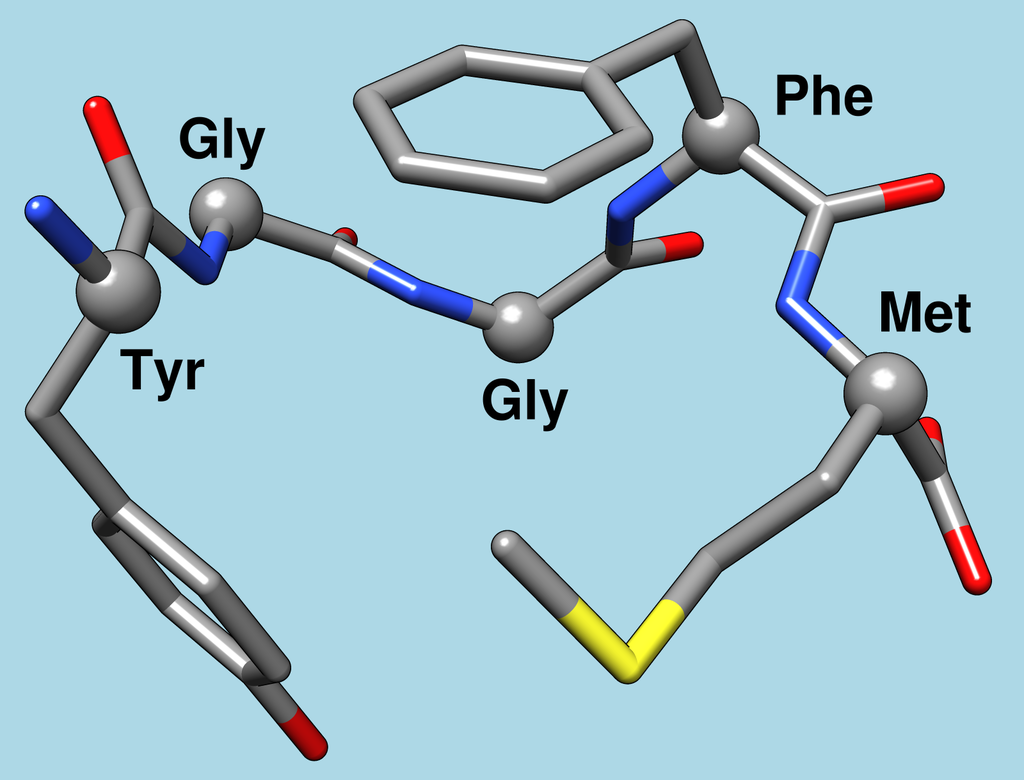
Enkephalins
An enkephalin is a pentapeptide involved in regulating nociception (pain sensation) in the body. The enkephalins are termed endogenous ligands, as they are internally derived and bind to the body’s opioid receptors. Discovered in 1975, two forms of enkephalin have been found, one containing leucine (“leu”), and the other containing methionine (“met”). Both are products of the proenkephalin gene. Endogenous opioid peptides There are three well-characterized families of opioid
-
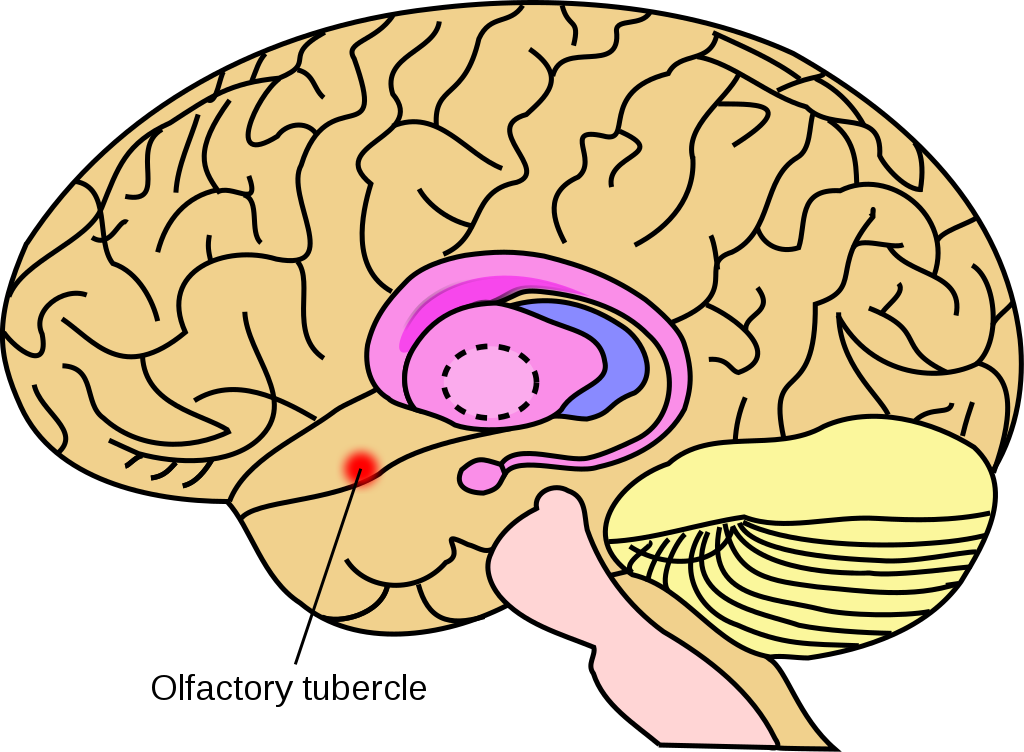
Olfactory Tubercle (OT) AKA Tuberculum Olfactorium Wiki
The olfactory tubercle (OT), also known as the tuberculum olfactorium, is a multi-sensory processing center that is contained within the olfactory cortex and ventral striatum and plays a role in reward cognition. The OT has also been shown to play a role in locomotor and attentional behaviors, particularly in relation to social and sensory responsiveness, and it may be necessary for behavioral flexibility. The OT is interconnected with numerous brain regions,
-
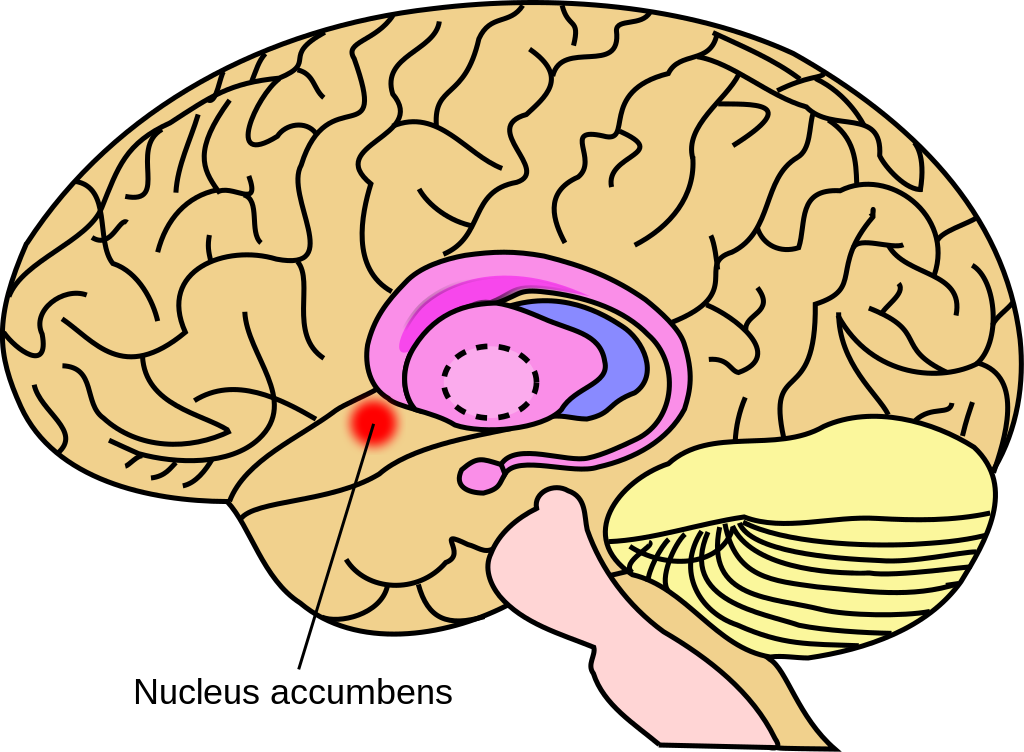
Nucleus accumbens aka accumbens nucleus
The nucleus accumbens (NAc or NAcc; also known as the accumbens nucleus, or formerly as the nucleus accumbens septi, Latin for “nucleus adjacent to the septum“) is a region in the basal forebrain rostral to the preoptic area of the hypothalamus. The nucleus accumbens and the olfactory tubercle collectively form the ventral striatum. The ventral striatum and dorsal striatum collectively form the striatum, which is the main component of the basal ganglia. The dopaminergic neurons of the mesolimbic pathway project onto the GABAergic medium
-
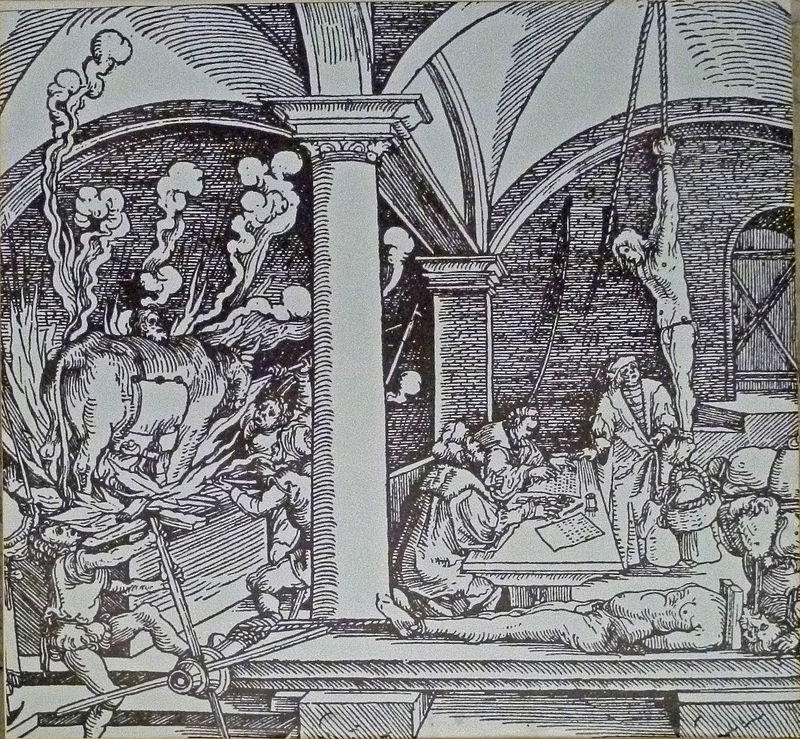
“Ye Therefore, Who Seek in Science a Means to Satisfy Your Passions, Pause in This Fatal Way: You Will Find Nothing but Madness or Death.”
This is the meaning of the vulgar tradition that the devil ends sooner or later by strangling sorcerers. Eliphas Levi, Transcendental Magic Also… “We have said that impassioned ecstasy may produce the same results as absolute superiority, and this is true as to the issue but not as to the direction of magical operations. Passion
-
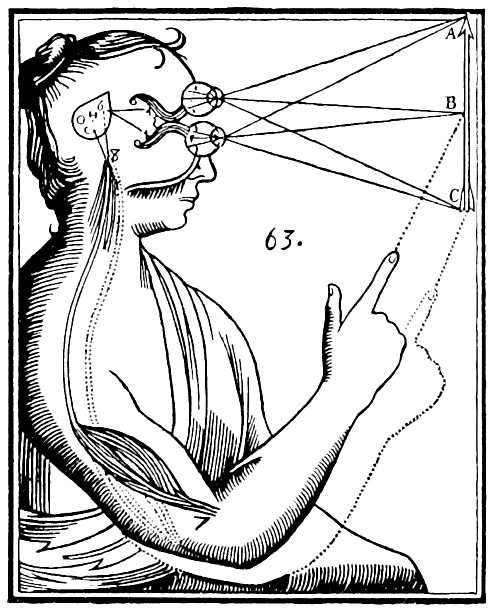
The pineal gland as an APUD organ
It is only in recent years that the pineal gland has emerged from being thought of as non-functional and unimportant. The rise from obscurity has been the result of the interest of investigators of multidisciplinary origins; such approaches, whilst clearly advancing understanding, also tend to leave knowledge fragmentary. In the last decade, a new neuroendocrine
-

Pineal gland notes
The pineal gland, conarium, or epiphysis cerebri, is a small endocrine gland in the brain of most vertebrates. The pineal gland produces melatonin, a serotonin-derived hormone which modulates sleep patterns in both circadian and seasonal cycles. The shape of the gland resembles a pine cone, which gives it its name. The pineal gland is located in the epithalamus, near the center of the brain, between the two hemispheres, tucked in a groove where the two halves
-
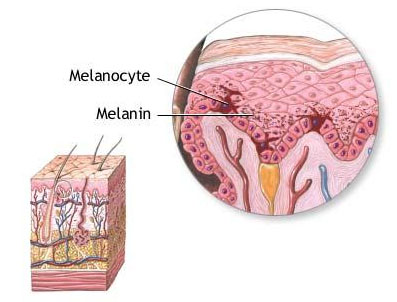
APUD System Cells May Include Melanocytes Wiki
Melanocytes are melanin-producing neural crest-derived cells located in the bottom layer (the stratum basale) of the skin’s epidermis, the middle layer of the eye (the uvea), the inner ear, vaginal epithelium, meninges, bones, and heart. Melanin is a dark pigment primarily responsible for skin color. Once synthesized, melanin is contained in special organelles called melanosomes which can be transported to nearby keratinocytes to induce pigmentation. Thus darker skin tones have more melanosomes present than lighter skin tones. Functionally, melanin serves as protection
-
Cells in the APUD system may include Juxtaglomerular cells (JG cells), the renin producing cells in the kidney
Juxtaglomerular cells (JG cells), also known as juxtaglomerular granular cells are cells in the kidney that synthesize, store, and secrete the enzyme renin. They are specialized smooth muscle cells mainly in the walls of the afferent arterioles (and some in the efferent arterioles) that deliver blood to the glomerulus. In synthesizing renin, they play a critical role in the renin–angiotensin system and thus in autoregulation of the kidney. Juxtaglomerular cells secrete renin in
-
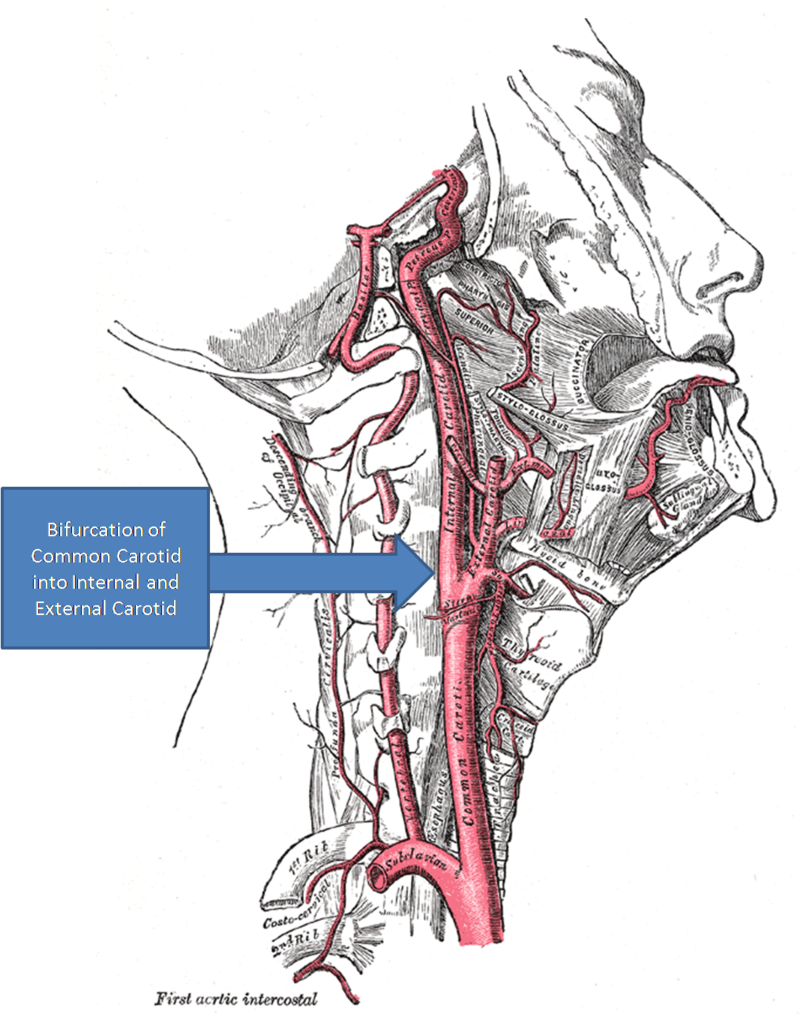
Carotid Body Glomus Cells Mediate Essential Reflex Responses to Arterial Blood Hypoxia
Glomus cells are the cell type mainly located in the carotid bodies and aortic bodies. Glomus type I cells are peripheral chemoreceptors which sense the oxygen, carbon dioxide and pH levels of the blood. When there is a decrease in the blood’s pH, a decrease in oxygen (pO2), or an increase in carbon dioxide (pCO2), the carotid bodies and the aortic bodies signal the dorsal
-
The adrenal medulla is the principal site of the conversion of the amino acid tyrosine into the catecholamines; epinephrine, norepinephrine, and dopamine
The adrenal medulla (Latin: medulla glandulae suprarenalis) is part of the adrenal gland. It is located at the center of the gland, being surrounded by the adrenal cortex. It is the innermost part of the adrenal gland, consisting of chromaffin cells that secrete catecholamines, including epinephrine (adrenaline), norepinephrine (noradrenaline), and a small amount of dopamine, in response to stimulation by sympathetic preganglionic neurons. Structure The adrenal medulla consists of irregularly shaped cells
Recent Posts
- Adams and Jefferson on Aristocracy: A Structural Disagreement in the Early Republic

- John Adams — Opinions of Philosophers — Anti‑Caste Constitutional Foundations
- Corporate “persons” are a perfect example of a Titles of Nobility (TON) violation
- TON vs. Global Trends and National Enrollment
- TON vs. Smoking Bans & Smoker/Nonsmoker Disparity
Tags
2025 agriculture alchemy anthropology archaeology art biochemistry biography biology chemistry civil rights crystallography culture duplicate ecology economics endocrinology entertainment entomology folklore genetics geology glossary hematology history immunology law linguistics materials science medicine mythology neurology philosophy physiology politics psychology public health religion reproduction science smoker's paradox symbolism systems theory technology toxicology