-

Enterochromaffin (EC) cells aka Kulchitsky cells
Enterochromaffin (EC) cells (also known as Kulchitsky cells) are a type of enteroendocrine cell, and neuroendocrine cell. They reside alongside the epithelium lining the lumen of the digestive tract and play a crucial role in gastrointestinal regulation, particularly intestinal motility and secretion. They were discovered by Nikolai Kulchitsky. EC cells modulate neuron signalling in the enteric nervous system (ENS) via the secretion of the neurotransmitter serotonin and other peptides.
-
Chromaffin cells aka pheochromocytes
Chromaffin cells, also called pheochromocytes (or phaeochromocytes), are neuroendocrine cells found mostly in the medulla of the adrenal glands in mammals. These cells serve a variety of functions such as serving as a response to stress, monitoring carbon dioxide and oxygen concentrations in the body, maintenance of respiration and the regulation of blood pressure. They are in close proximity to pre-synaptic sympathetic ganglia of the sympathetic nervous system,
-
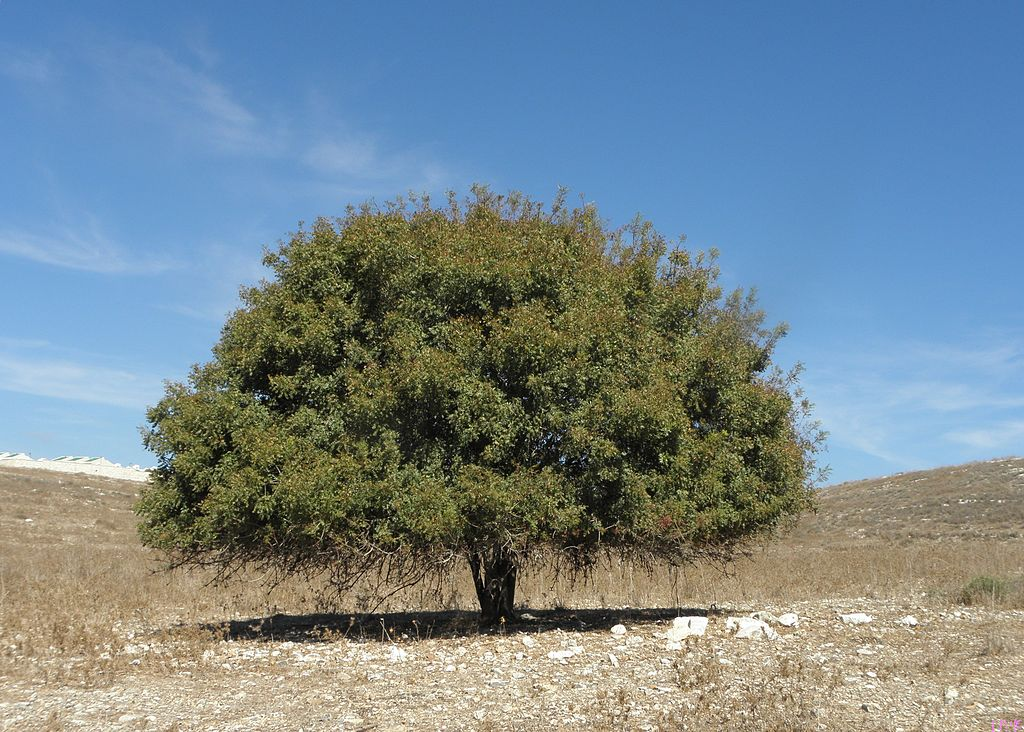
Pistacia terebinthus aka the terebinth and the turpentine tree
Pistacia terebinthus also called the terebinth and the turpentine tree, is a deciduous tree species of the genus Pistacia, native to the Mediterranean region from the western regions of Morocco and Portugal to Greece and western and southeastern Turkey. At one time terebinths growing on the eastern shores of the Mediterranean Sea (in Syria, Lebanon and Israel) were regarded as a separate species, Pistacia palaestina, but these are now considered to be a synonym of P. terebinthus. Description The terebinth is a deciduous flowering
-

magical poop paper and the tree it rode in on
Welcome to the fascinating world of fecal forensics! Let’s dive into the delightfully disgusting details of the guaiac fecal occult blood test (gFOBT), a colorful adventure in colon cancer screening! Imagine a special paper that can detect invisible blood in your stool. That’s the gFOBT! Magic Resin It uses guaiac, a compound extracted from Guaiacum
-
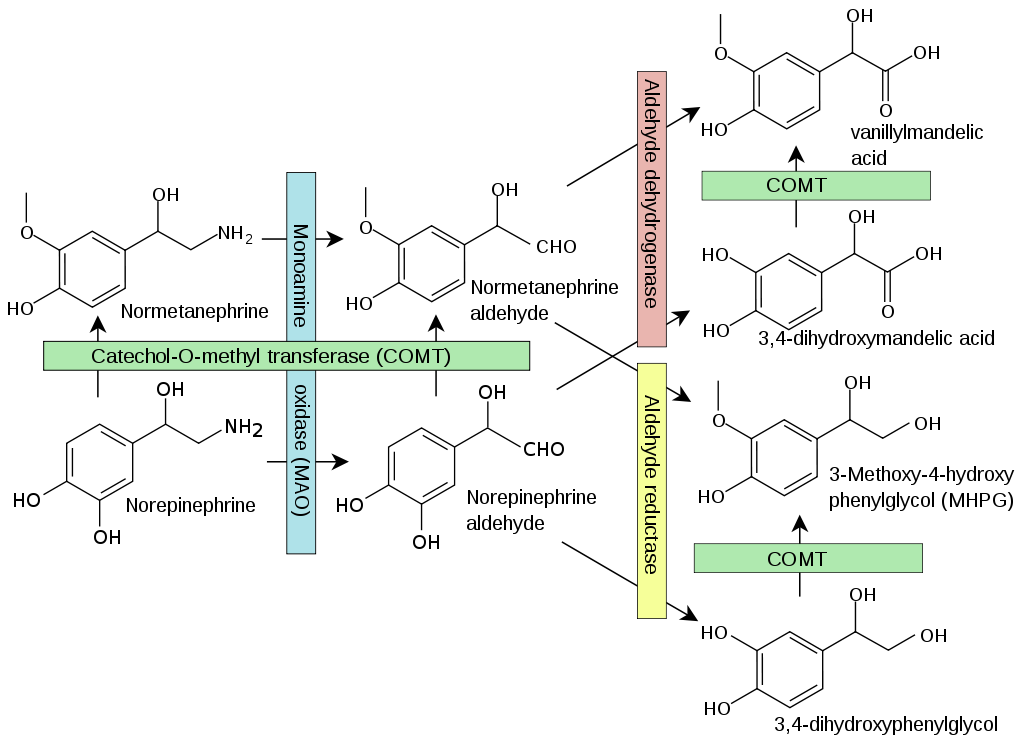
Homovanillic acid (HVC) and Vanillylmandelic acid (VMA)
Homovanillic acid (HVA) is a major catecholamine metabolite that is produced by a consecutive action of monoamine oxidase and catechol-O-methyltransferase on dopamine. Homovanillic acid is used as a reagent to detect oxidative enzymes, and is associated with dopamine levels in the brain. In psychiatry and neuroscience, brain and cerebrospinal fluid levels of HVA are measured as a marker of metabolic stress caused by 2-deoxy-D-glucose. HVA presence supports a diagnosis of neuroblastoma and malignant pheochromocytoma. Fasting plasma levels of HVA are known to be
-
Isaac Asimov’s Thiotimoline
Thiotimoline is a fictitious chemical compound conceived by American biochemist and science fiction author Isaac Asimov. Isaac Asimov (1920 – 1992) was an American writer and professor of biochemistry at Boston University. During his lifetime, Asimov was considered one of the “Big Three” science fiction writers, along with Robert A. Heinlein and Arthur C. Clarke. A prolific writer, he wrote or edited more than 500 books. He also wrote an estimated 90,000
-
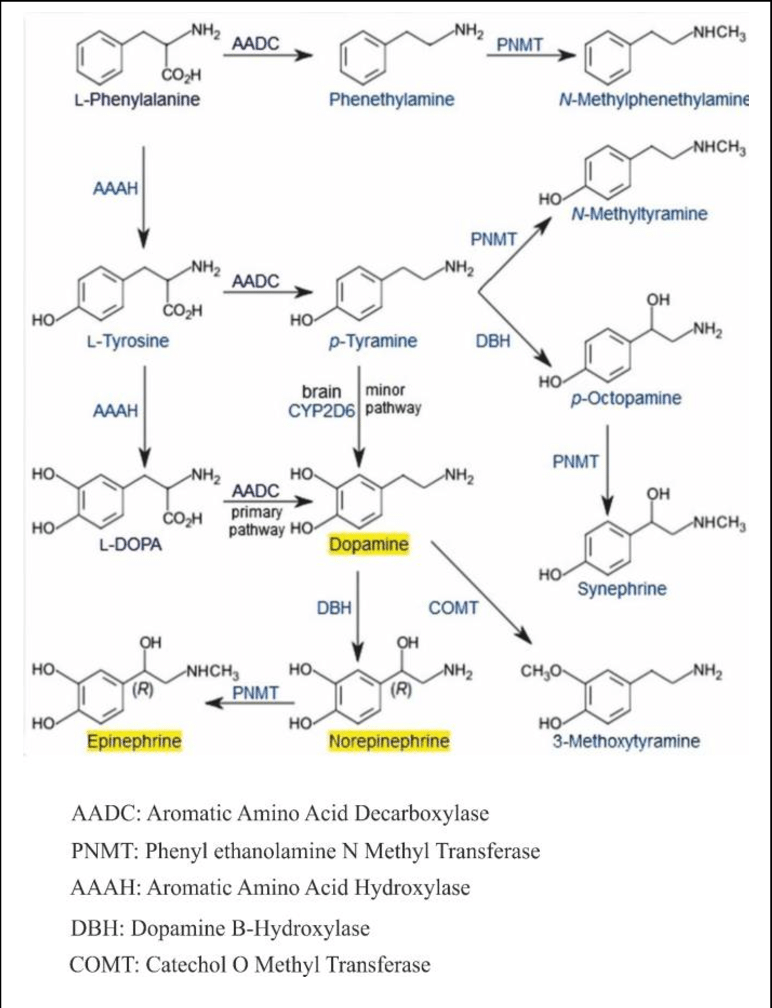
Catecholamine (CA)
A catecholamine (abbreviated CA) is a monoamine neurotransmitter, an organic compound that has a catechol (benzene with two hydroxyl side groups next to each other) and a side-chain amine. Fitzgerald, P. A. (2011). “Chapter 11. Adrenal Medulla and Paraganglia”. In Gardner, D. G.; Shoback, D. (eds.). Greenspan’s Basic & Clinical Endocrinology (9th ed.). New York: McGraw-Hill. Retrieved October 26, 2011. Catechol, not to be confused with Catechin which is also sometimes called catechol, can be either
-
Sound-induced convulsions in the hamster associated with magnesium deficiency (1947)
Exposure of 16 hamsters maintained on an Mg deficient diet, 10 animals placed on a control diet immediately after a first convulsive attack, 10 Mg-deficient animals given Mg supplements after each induced convulsion, and 12 control animals maintained on adequate purified diet, to sound tests, indicated results similar to those reported for the rat. Spontaneous
-
Magnesium Deficiency Causes a Reversible, Metabolic, Diastolic Cardiomyopathy (2021)
Background Dietary Mg intake is associated with a decreased risk of developing heart failure, whereas low circulating Mg level is associated with increased cardiovascular mortality. We investigated whether Mg deficiency alone could cause cardiomyopathy. Methods and Results C57BL/6J mice were fed with a low Mg (low-Mg, 15-30 mg/kg Mg) or a normal Mg (nl-Mg, 600
-

The hyperventilation syndrome: a neurosis or a manifestation of magnesium imbalance? (1985)
It has been proven with clinical, psychological and electromyographic tests that the hyperventilation (HV) syndrome cannot be separated from so-called genuine tetany. Tetanic patients with and without HV are characterized by a significant hypocalcemia; but a significant hypomagnesemia is exclusively found in tetanic patients with HV attacks. Possible pathogenic mechanisms are discussed which may explain
Recent Posts
- The Founders did not whisper about aristocracy. They roared. So did the Framers.

- Adams and Jefferson on Aristocracy: A Structural Disagreement in the Early Republic
- John Adams — Opinions of Philosophers — Anti‑Caste Constitutional Foundations
- Corporate “persons” are a perfect example of a Titles of Nobility (TON) violation
- TON vs. Global Trends and National Enrollment
Tags
2025 agriculture alchemy anthropology archaeology art biochemistry biography biology chemistry civil rights crystallography culture duplicate ecology economics endocrinology entertainment entomology folklore genetics geology glossary hematology history immunology law linguistics materials science medicine mythology neurology philosophy physiology politics psychology public health religion reproduction science smoker's paradox symbolism systems theory technology toxicology