-

Latent tetany and anxiety, marginal magnesium deficit, and normocalcemia (1975)
The identification of marginal magnesium deficit, such as we have detected in a patient with anxiety, depression, and psychomatic complaints, is a difficult diagnostic problem. Electromyography of a limb, rendered acutely ischemic either just before or after hyperventilation, can elicit latent tetany in this condition, as well as in calcium deficiency. We have demonstrated iterative
-
Hypomagnesemic tetany of ruminants (1988)
Hypomagnesemic tetany of ruminants is a noninfectious metabolic disorder that occurs in a wide range of nutritional and management conditions. This article considers its etiology and pathogenesis, clinical signs, clinical pathology and lesions, diagnosis, clinical management, prevention, and control. Smith RA, Edwards WC. Hypomagnesemic tetany of ruminants. Vet Clin North Am Food Anim Pract. 1988
-
The magnesium-deficiency tetany syndrome in man (1960)
Magnesium is second only to potassium in abundance as an intracellular cation. The whole body of a human adult contains nearly 25 gm. The numerous important biochemical reactions dependent upon the presence of this metal have been discussed elsewhere. Magnesium is an essential nutrient for animals and plants, suggesting that a dietary inadequacy of this ion might
-
Studies on the nutritional basis of abnormal behavior in albino rats; the effect of pyridoxine deficiency upon sound-induced magnesium tetany (1945)
After a magnesium deficient diet for 5 to 8 days, young rats showed vasodilatation, hyperirritability, and latent tetany. Brief exposures to the sound of a resonated buzzer elicited severe tonic-clonic convulsions. When such a diet was continued for 10 to 23 days, sensitivity increased with death resulting from spontaneous or induced seizures. In a similar
-
Sonification
Sonification is the use of non-speech audio to convey information or perceptualize data. Auditory perception has advantages in temporal, spatial, amplitude, and frequency resolution that open possibilities as an alternative or complement to visualization techniques. For example, the rate of clicking of a Geiger counter conveys the level of radiation in the immediate vicinity of the device. Though many experiments with data sonification have been explored in forums
-
Buzz Pollination or Sonication
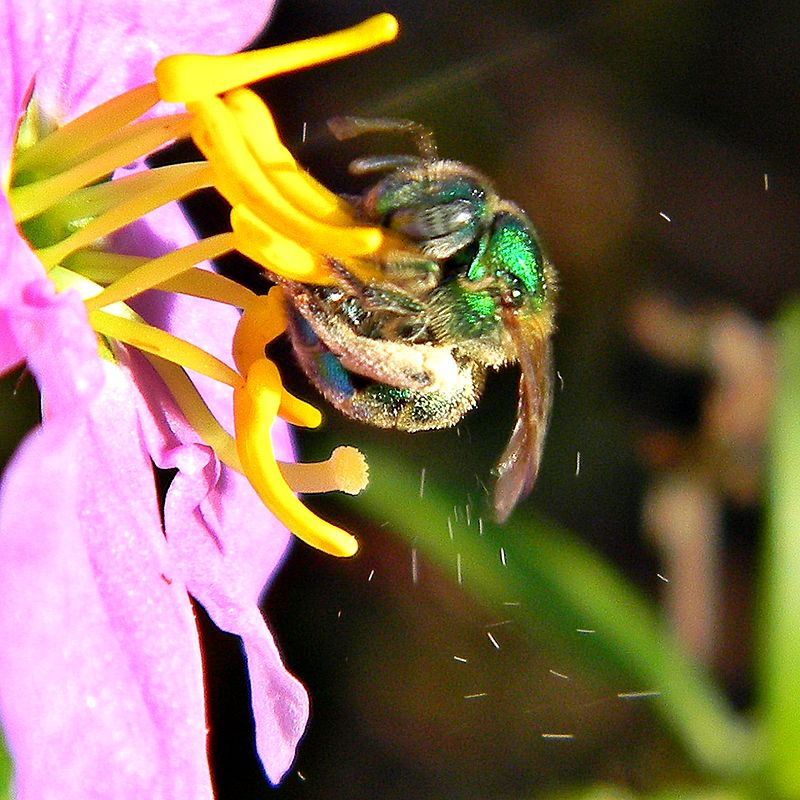
Buzz pollination or sonication is a technique used by some bees, such as solitary bees to release pollen which is more or less firmly held by the anthers. The anthers of buzz-pollinated plant species are typically tubular, with an opening at only one end, and the pollen inside is smooth-grained and firmly attached. With self-fertile plants such as tomatoes, wind may be sufficient
-
🝖 Alchemical Symbol For Horse Dung
Ah, the alchemical symbol for horse dung! Let’s gallop into this steaming pile of esoteric wisdom, shall we? 🐎💩✨ Picture this: An alchemist, eyes wild with the fever of discovery, realizes that the key to unlocking the universe’s secrets lies not in rare metals or exotic herbs, but in the humble excrement of Equus ferus
-
Sonication
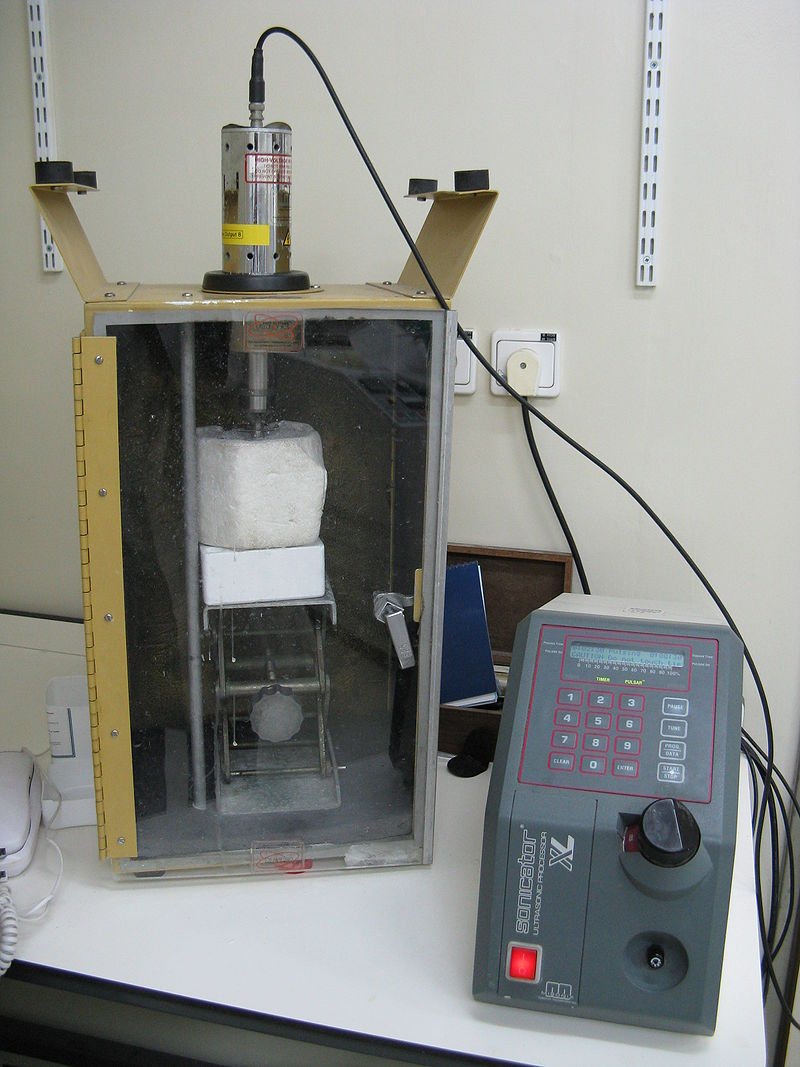
Sonication is the act of applying sound energy to agitate particles in a sample, for various purposes such as the extraction of multiple compounds from plants, microalgae and seaweeds. Ultrasonic frequencies (> 20 kHz) are usually used, leading to the process also being known as ultrasonication or ultra-sonication. In the laboratory, it is usually applied using an ultrasonic bath or an ultrasonic probe, colloquially known
-
What is Immunoprecipitation (IP)?
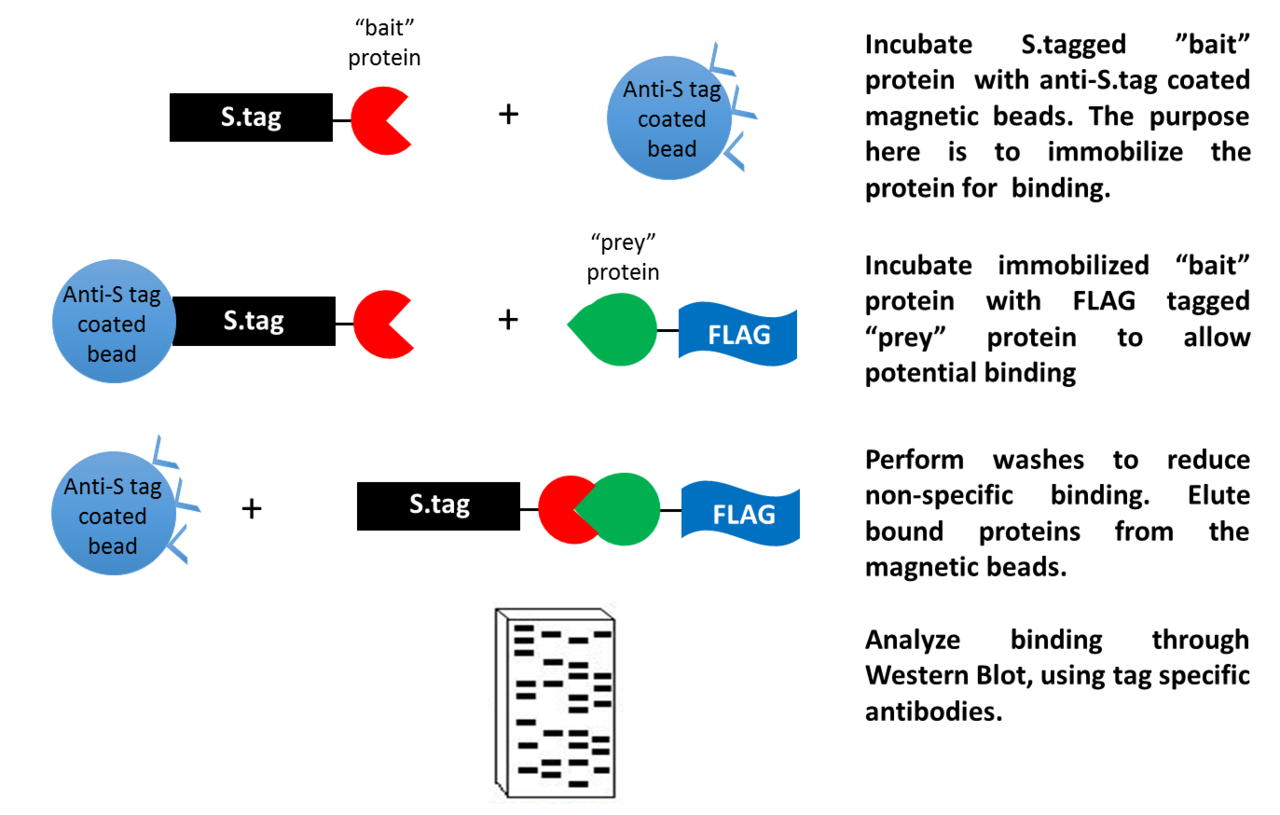
Immunoprecipitation (IP) is a technique used to enrich protein antigens from a complex mixture using specific antibodies. To carry out an IP, antibodies must be coupled to a solid substrate, such as agarose resin or magnetic beads, to allow for purification of the target antigens. Immunoprecipitation (IP) is the technique of precipitating a protein antigen out of solution using an antibody that

Recent Posts
- The Founders did not whisper about aristocracy. They roared. So did the Framers.

- Adams and Jefferson on Aristocracy: A Structural Disagreement in the Early Republic
- John Adams — Opinions of Philosophers — Anti‑Caste Constitutional Foundations
- Corporate “persons” are a perfect example of a Titles of Nobility (TON) violation
- TON vs. Global Trends and National Enrollment
Tags
2025 agriculture alchemy anthropology archaeology art biochemistry biography biology chemistry civil rights crystallography culture duplicate ecology economics endocrinology entertainment entomology folklore genetics geology glossary hematology history immunology law linguistics materials science medicine mythology neurology philosophy physiology politics psychology public health religion reproduction science smoker's paradox symbolism systems theory technology toxicology