-

Symbols for Sulfur and Mercury
Symbols for sulfur and mercury 1F70D 🜍 ALCHEMICAL SYMBOL FOR SULFUR = brimstone 1F70E 🜎 ALCHEMICAL SYMBOL FOR PHILOSOPHERS SULFUR 1F70F 🜏 ALCHEMICAL SYMBOL FOR BLACK SULFUR = sulfur nigra, dye 1F710 🜐 ALCHEMICAL SYMBOL FOR MERCURY SUBLIMATE → 263F ☿ mercury → 1F75E 🝞 alchemical symbol for sublimation
-
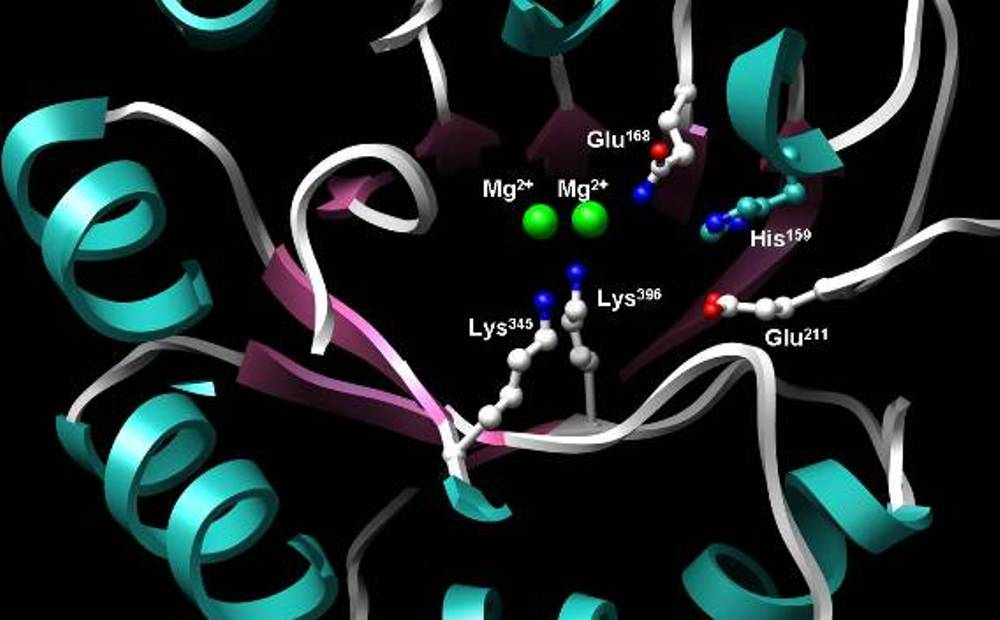
Phosphopyruvate hydratase, aka enolase, is a metalloenzyme that catalyses the conversion of 2-phosphoglycerate (2-PG) to phosphoenolpyruvate (PEP), the ninth and penultimate step of glycolysis
Phosphopyruvate hydratase, usually known as enolase, is a metalloenzyme (EC 4.2.1.11) that catalyses the conversion of 2-phosphoglycerate (2-PG) to phosphoenolpyruvate (PEP), the ninth and penultimate step of glycolysis. The chemical reaction is:2-phospho-D-glycerate ⇌ phosphoenolpyruvate + H2O Phosphopyruvate hydratase belongs to the family of lyases, specifically the hydro-lyases, which cleave carbon-oxygen bonds. The systematic name of this enzyme is 2-phospho-D-glycerate hydro-lyase (phosphoenolpyruvate-forming). The reaction is reversible, depending on environmental concentrations of
-

Gastric inhibitory peptide aka GIP and receptors
Gastric inhibitory polypeptide or gastric inhibitory peptide also known as glucose-dependent insulinotropic polypeptide abbreviated as GIP, is an inhibiting hormone of the secretin family of hormones. While it is a weak inhibitor of gastric acid secretion, its main role is to stimulate insulin secretion. GIP, along with glucagon-like peptide-1 (GLP-1), belongs to a class of molecules referred to as incretins. Synthesis and transport GIP is derived from a 153-amino acid proprotein encoded by
-
Gastrin-releasing peptide aka GRP
Gastrin-releasing peptide, also known as GRP, is a neuropeptide, a regulatory molecule that has been implicated in a number of physiological and pathophysiological processes. Most notably, GRP stimulates the release of gastrin from the G cells of the stomach. The gene from which GRP is derived encodes a number of bombesin-like peptides. Its 148-amino acid preproprotein, following cleavage of a signal peptide, is further processed to
-
Neuromedin U
Neuromedin U (or NmU) is a neuropeptide found in the brain of humans and other mammals, which has a number of diverse functions including contraction of smooth muscle, regulation of blood pressure, pain perception, appetite, bone growth, and hormone release. It was first isolated from the spinal cord in 1985, and named after its ability to cause smooth muscle contraction in the uterus. Structure Neuromedin
-
Neuromedin S
Neuromedin S is a 36-amino acid neuropeptide found in the brain of humans and other mammals. It is produced in the suprachiasmatic nucleus of the hypothalamus and is related to neuromedin U. It is thought to be involved in regulation of circadian rhythm and also has appetite suppressant effects, as well as regulating the release of several other peptide hormones including vasopressin, luteinizing hormone, and oxytocin. See also References Peptides: neuropeptides Categories:
-
Neuromedin N
Neuromedin N is a neuropeptide derived from the same precursor polypeptide as neurotensin, and with similar but subtly distinct expression and effects. References Peptides: neuropeptides Categories:
-
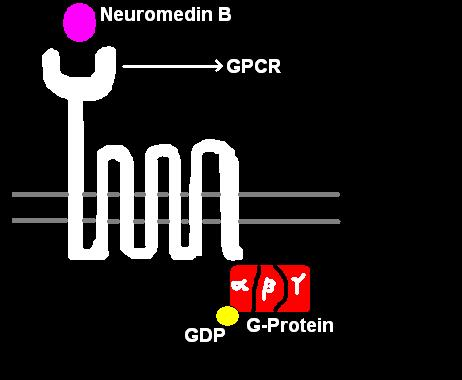
Neuromedin B
Neuromedin B (NMB) is a bombesin-related peptide in mammals. It was originally purified from pig spinal cord, and later shown to be present in human central nervous system and gastrointestinal tract. Sequence The sequence of the C-terminal decapeptide is highly conserved across mammalian species: GNLWATGHFM-(NH2); this decapeptide is sometimes noted as neuromedin B, but it is more accurately described as neuromedin B
-
Bombesin (and a wee bit of ranatensin)
Bombesin is a 14-amino acid peptide originally isolated from the skin of the European fire-bellied toad (Bombina bombina) by Vittorio Erspamer et al. and named after its source. It has two known homologs in mammals called neuromedin B and gastrin-releasing peptide. It stimulates gastrin release from G cells. It activates three different G-protein-coupled receptors known as BBR1, -2, and -3. It also activates these receptors in the brain. Together with cholecystokinin, it is the second major source of negative feedback signals that stop
-
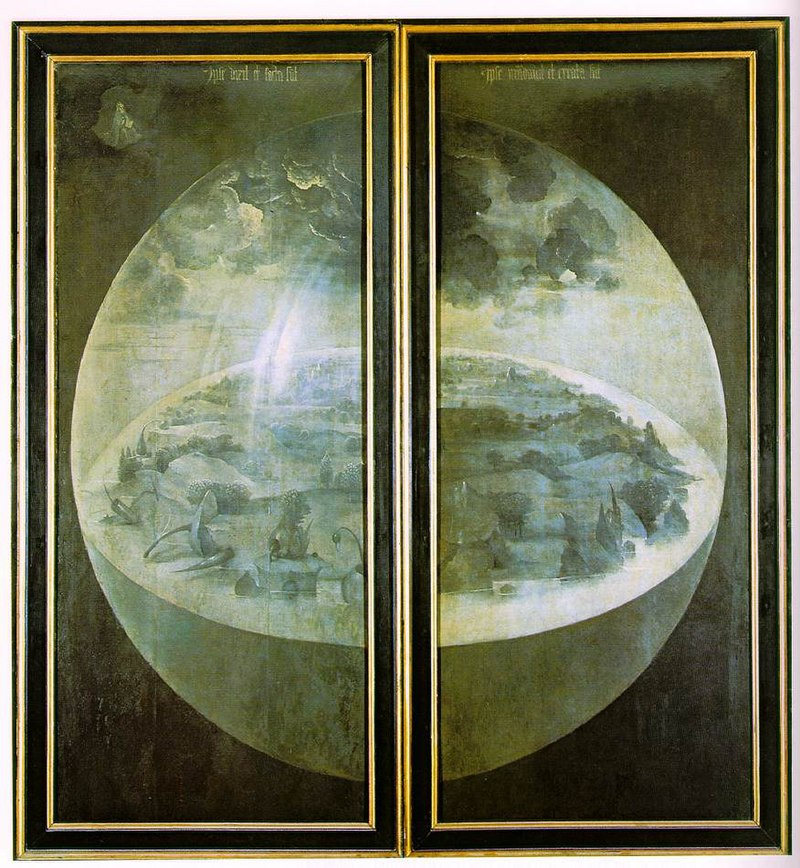
The Garden of Earthly Delights, Hieronymus Bosch
The Garden of Earthly Delights is the modern title[a] given to a triptych oil painting on oak panel painted by the Early Netherlandish master Hieronymus Bosch, between 1490 and 1510, when Bosch was between 40 and 60 years old. It has been housed in the Museo del Prado in Madrid, Spain since 1939. Bosch painted three large triptychs (the others are The Last Judgment of c. 1482 and The Haywain Triptych of c. 1516) that can be read
Recent Posts
- The Founders did not whisper about aristocracy. They roared. So did the Framers.

- Adams and Jefferson on Aristocracy: A Structural Disagreement in the Early Republic
- John Adams — Opinions of Philosophers — Anti‑Caste Constitutional Foundations
- Corporate “persons” are a perfect example of a Titles of Nobility (TON) violation
- TON vs. Global Trends and National Enrollment
Tags
2025 agriculture alchemy anthropology archaeology art biochemistry biography biology chemistry civil rights crystallography culture duplicate ecology economics endocrinology entertainment entomology folklore genetics geology glossary hematology history immunology law linguistics materials science medicine mythology neurology philosophy physiology politics psychology public health religion reproduction science smoker's paradox symbolism systems theory technology toxicology