-
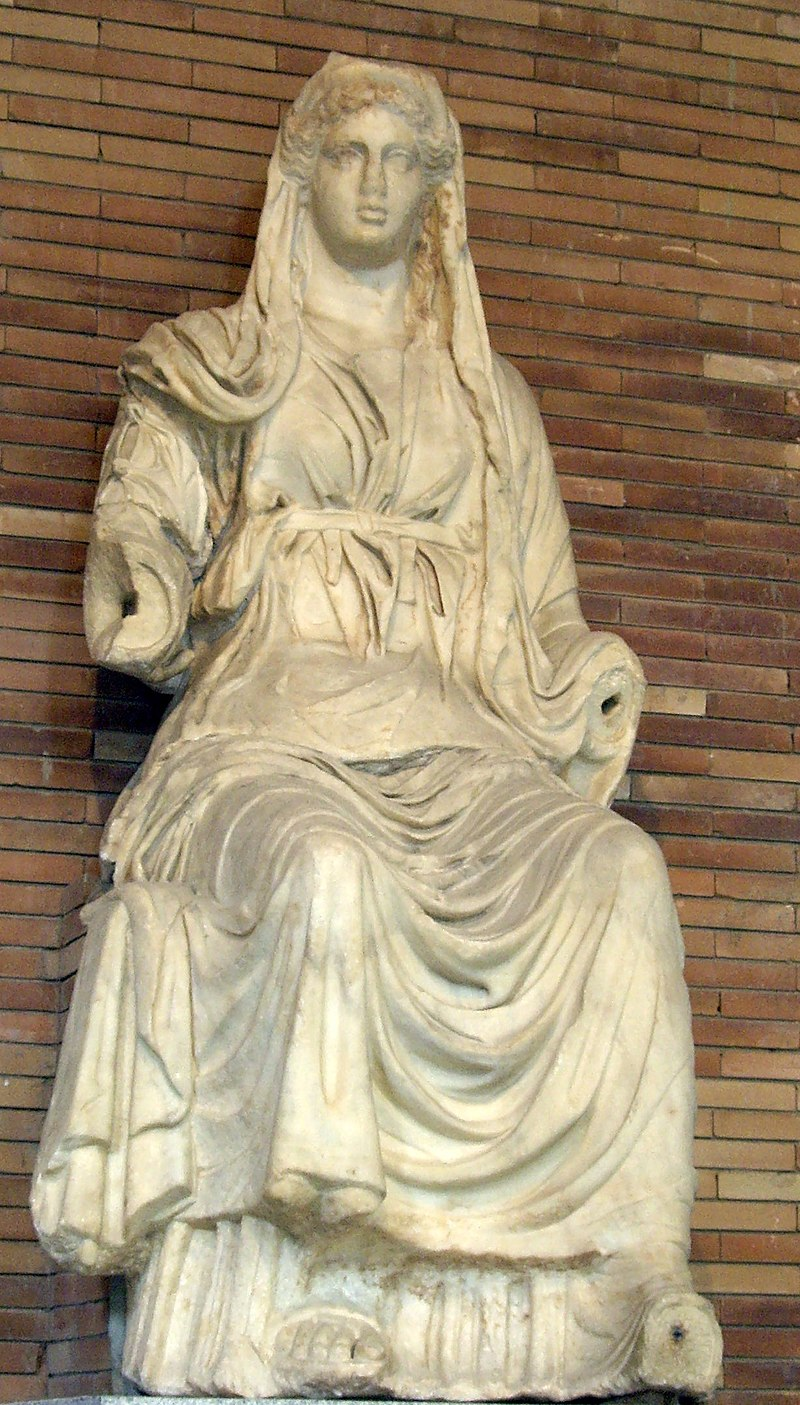
Ceres, Roman Goddess Wiki
In ancient Roman religion, Ceres was a goddess of agriculture, grain crops, fertility and motherly relationships. She was originally the central deity in Rome’s so-called plebeian or Aventine Triad, then was paired with her daughter Proserpina in what Romans described as “the Greek rites of Ceres”. Her seven-day April festival of Cerealia included the popular Ludi Ceriales (Ceres’ games). She was also honoured in the May lustration (lustratio) of the fields at the Ambarvalia festival: at
-

Keres, Bloodthirsty Death Spirits in Greek Mythology
In Greek mythology, the Keres (/ˈkɪriːz/; Ancient Greek: Κῆρες), singular Ker (/ˈkɜr/; Κήρ), were female death-spirits. They were the goddesses who personified violent death and who were drawn to bloody deaths on battlefields. Although they were present during death and dying, they did not have the power to kill. All they could do was wait and then feast on the dead. The
-
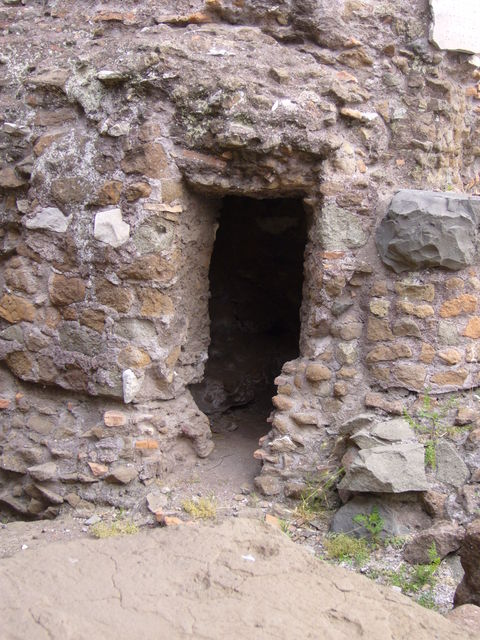
Umbilicus and Mundus (Roman Forum) and a depiction of Ceres holding a caduceus on a CSA $10 note
The Umbilicus Urbis Romae (“Navel of the City of Rome”) was the symbolic centre of the city from which, and to which, all distances in Ancient Rome were measured. It was situated in the Roman Forum where its remnants can still be seen. These remains are located beside the Arch of Septimius Severus and the Vulcanal, behind the Rostra. Originally covered in marble, the Umbilicus is
-
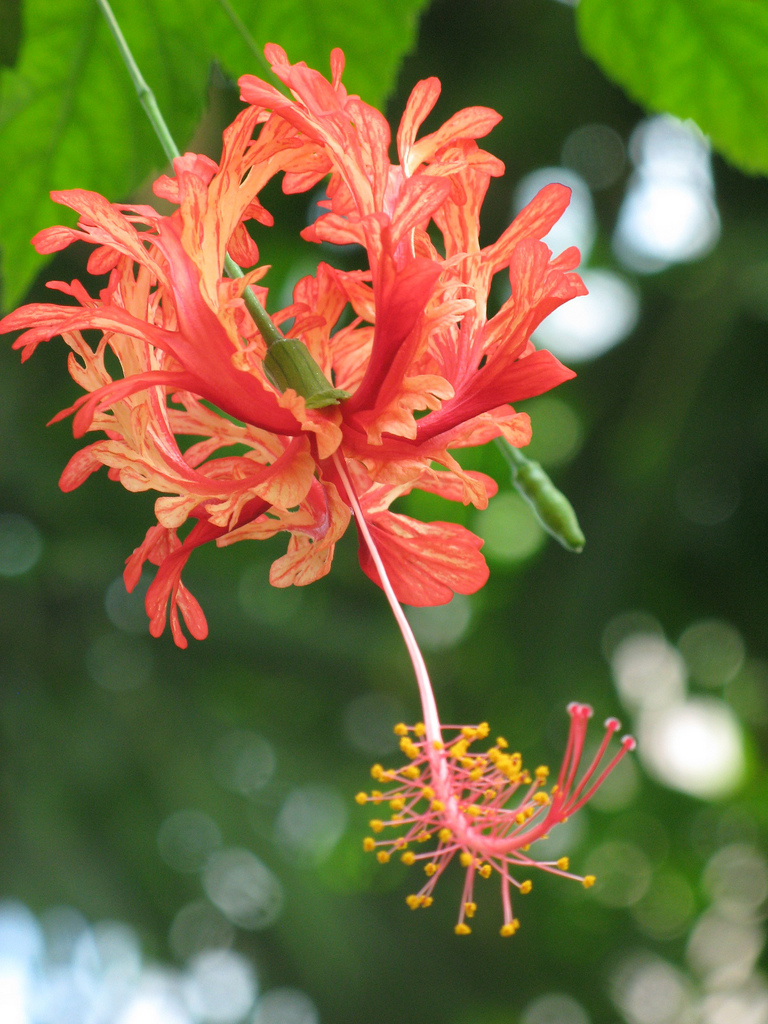
Hibiscus schizopetalus aka Japanese lantern is a species of Hibiscus
Hibiscus schizopetalus is a species of Hibiscus native to tropical eastern Africa in Kenya, Tanzania and Mozambique. Its common names include fringed rosemallow, Japanese lantern, coral hibiscus, and spider hibiscus. Description Hibiscus schizopetalus is a shrub growing to 3 metres (9.8 ft) tall. The red or pink flowers are very distinctive in their frilly, finely divided petals. Flowers with finely dissected petal have a range of colours, the most common being the red form (Keena et
-
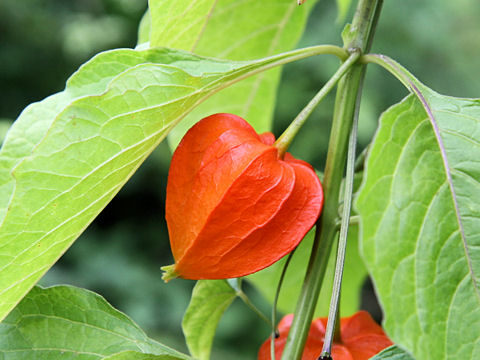
Alkekengi aka Chinese Lantern is a Species of Flowering Plant in the Nightshade Family
Scientific classification Kingdom: Plantae Clade: Tracheophytes Clade: Angiosperms Clade: Eudicots Clade: Asterids Order: Solanales Family: Solanaceae Subfamily: Solanoideae Tribe: Physaleae Genus: AlkekengiMill. Species: A. officinarum Binomial name Alkekengi officinarumMoench Alkekengi officinarum, the bladder cherry, Chinese lantern, Japanese-lantern, strawberry groundcherry, or winter cherry, is a species of flowering plant in the nightshade family Solanaceae. It is a close relative of the new world Calliphysalis carpenteri (Carpenter’s groundcherry) and a somewhat more distant
-
Stone lanterns
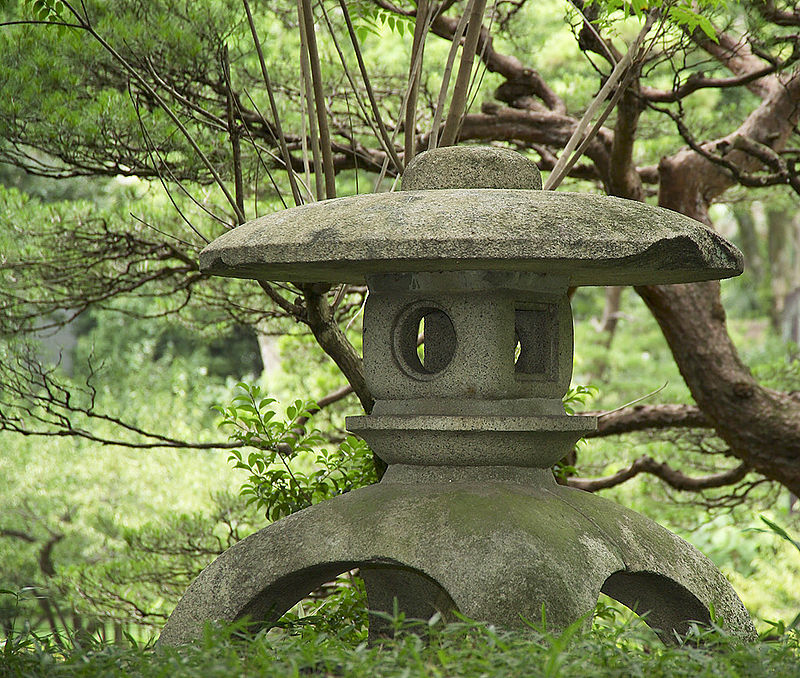
Stone lanterns (灯籠/灯篭/灯楼, Chinese: dēnglóng; Japanese: tōrō, meaning ‘light basket’, ‘light tower’)[a] are a type of traditional East Asian lantern made of stone, wood, or metal. Originating in China, stone lanterns spread to Japan, Korea and Vietnam, though they are most commonly found in both China – extant in Buddhist temples and traditional Chinese gardens – and Japan. In Japan, tōrō were
-
Chōzu-ya or temizu-ya is a Shinto water ablution pavilion
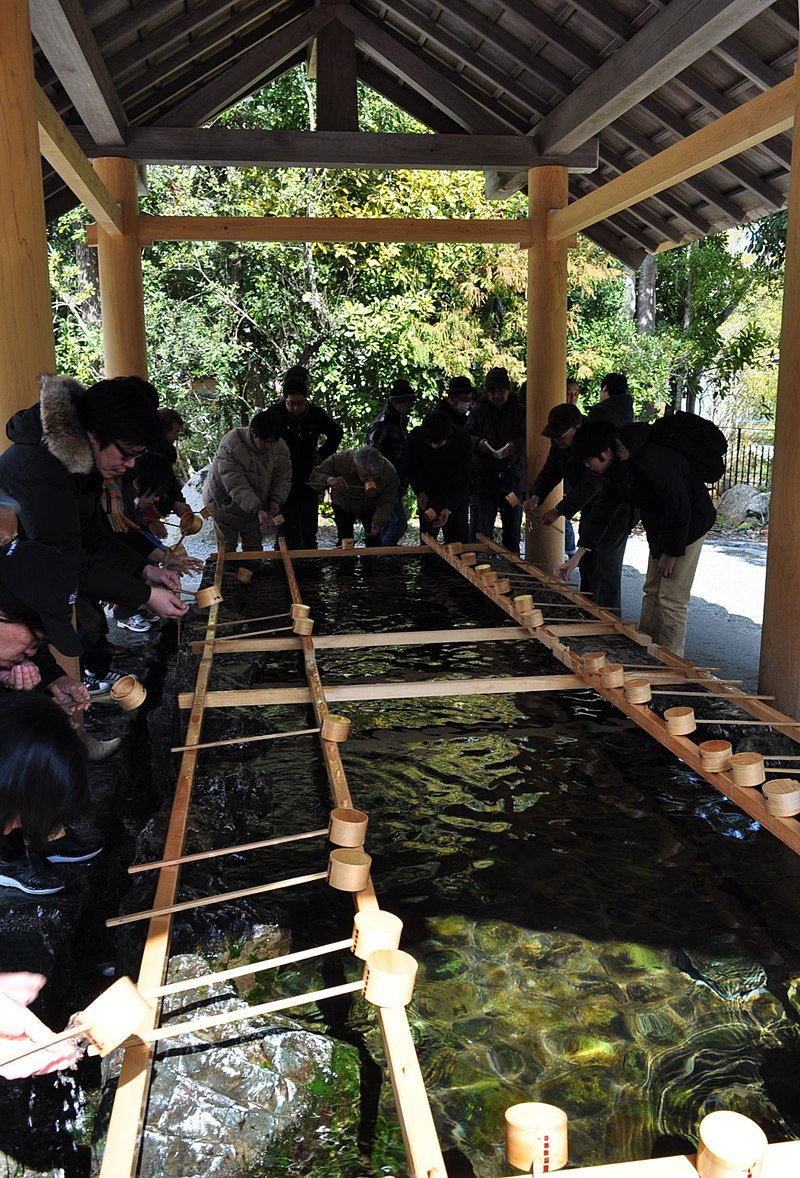
Chōzu-ya or temizu-ya (手水舎) is a Shinto water ablution pavilion for a ceremonial purification rite known as temizu or chōzu (手水, lit. ’hand-water’). The pavilion contains a large water-filled basin called a chōzubachi (手水鉢, lit. ’hand water basin’). At shrines, these chōzubachi, are used by worshippers for washing their left hands, right hands, mouth and finally the handle of the water ladle to purify themselves before approaching the main Shinto shrine or shaden (社殿). This symbolic purification is
-
The act of washing the hands can also be considered as playing the suikinkutsu
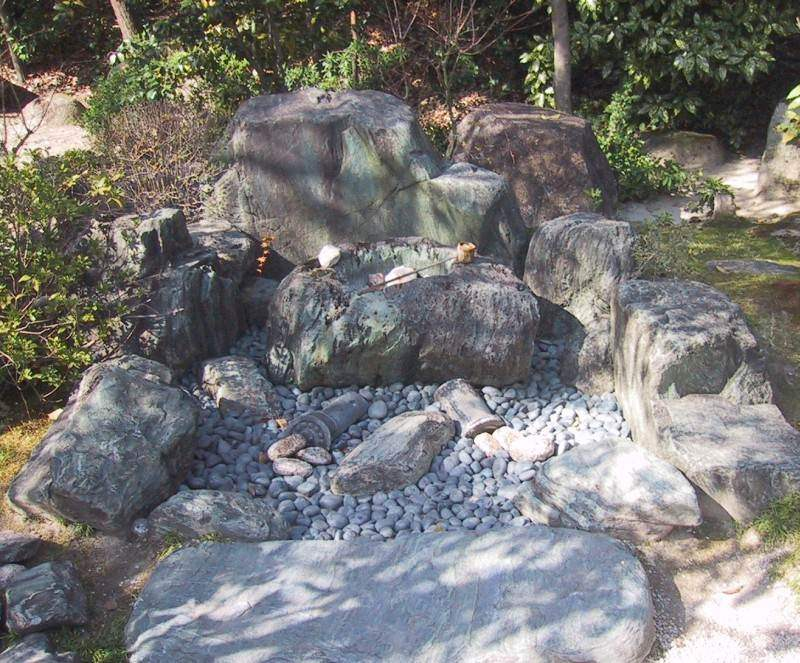
A suikinkutsu (水琴窟, literally “water piano cave” in original Chinese or “water zither cave” in Japanese) is a type of Japanese garden ornament and music device. It consists of an upside down buried pot with a hole at the top. Water drips through the hole at the top onto a small pool of water inside of the pot, creating a
-
Tsubo-niwa have been described as “quasi-indoor gardens”
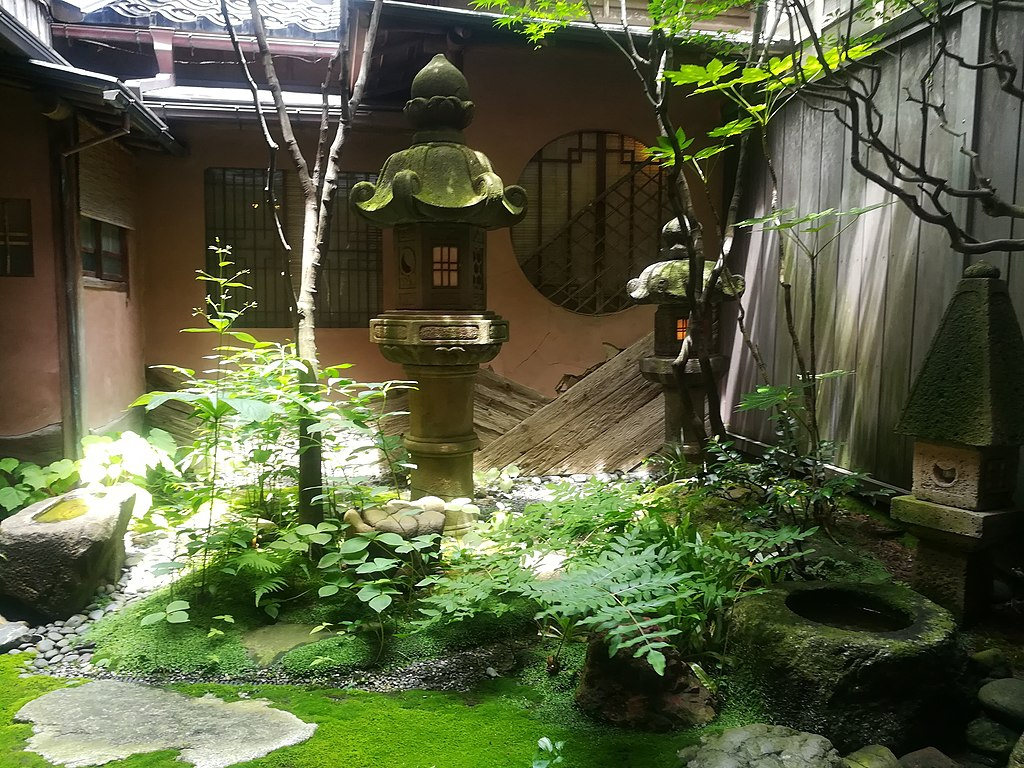
A tsubo-niwa (坪庭/壷庭/つぼにわ) is a type of very small garden in Japan. The term tsuboniwa stems from tsubo (坪), a unit of measurement (equal to 1×1 ken, the size of two tatami, roughly 3.3 square metres (36 sq ft)), and niwa, meaning “garden”. Other spellings of tsubo-niwa translate to “container garden”, and a tsubo-niwa may differ in size from the tsubo unit of measurement. Tsubo-niwa have been described as “quasi-indoor gardens”, and are a key feature of some
-
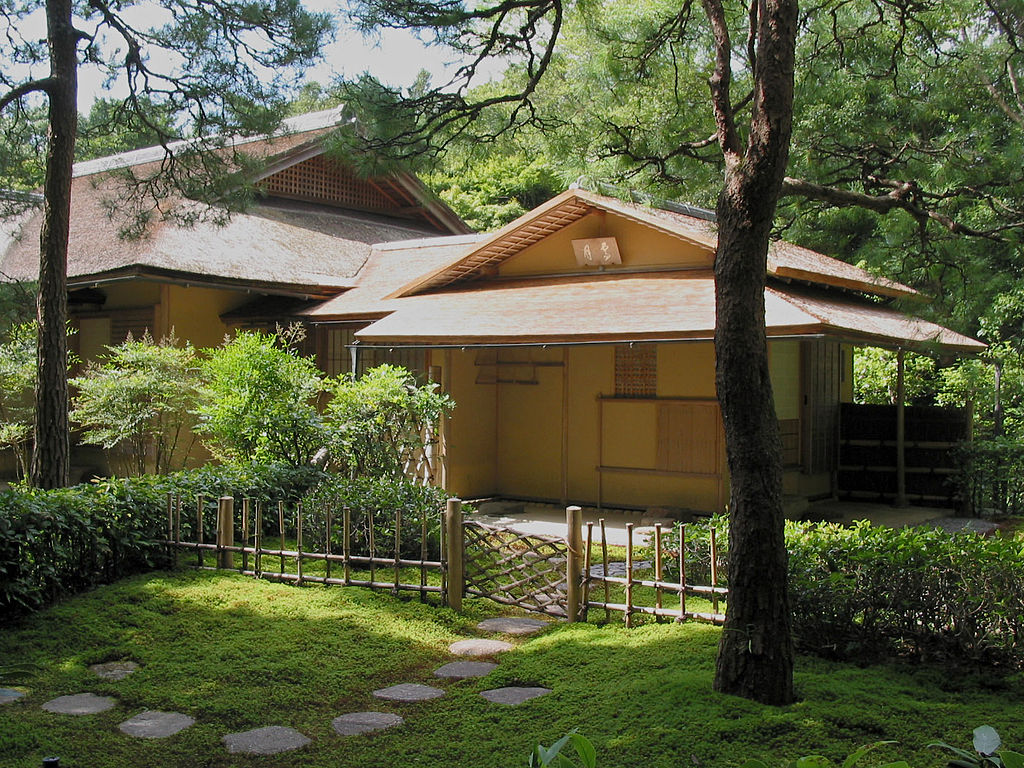
The roji is usually divided into an outer and inner garden
Roji (露地), lit. ‘dewy ground’, is the Japanese term used for the garden through which one passes to the chashitsu for the tea ceremony. The roji generally cultivates an air of simplicity. Development Sen no Rikyū is said to have been important in the development of the roji. At his Myōki-an, the ‘sleeve-brushing pine’ gained its name from the garden’s diminutive size. For his tea house at Sakai, he
Recent Posts
- The Founders did not whisper about aristocracy. They roared. So did the Framers.

- Adams and Jefferson on Aristocracy: A Structural Disagreement in the Early Republic
- John Adams — Opinions of Philosophers — Anti‑Caste Constitutional Foundations
- Corporate “persons” are a perfect example of a Titles of Nobility (TON) violation
- TON vs. Global Trends and National Enrollment
Tags
2025 agriculture alchemy anthropology archaeology art biochemistry biography biology chemistry civil rights crystallography culture duplicate ecology economics endocrinology entertainment entomology folklore genetics geology glossary hematology history immunology law linguistics materials science medicine mythology neurology philosophy physiology politics psychology public health religion reproduction science smoker's paradox symbolism systems theory technology toxicology