-
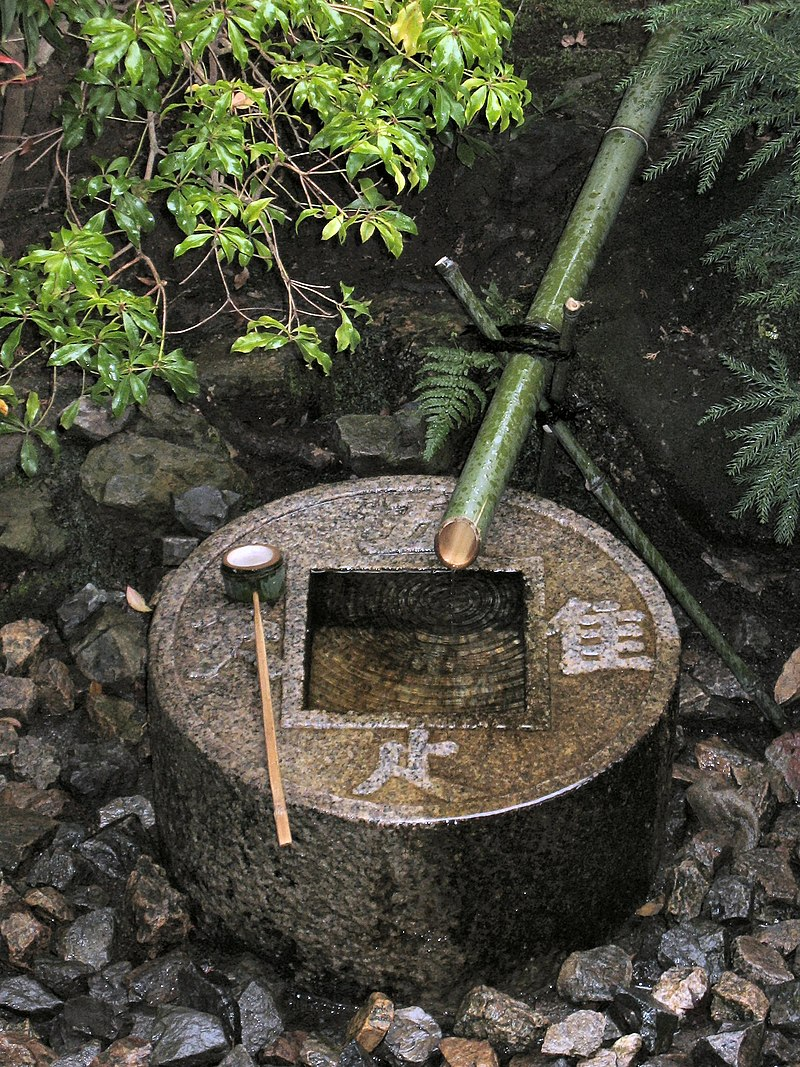
Tsukubai, a washbasin provided at the entrance to a holy place
In Japan, a tsukubai (蹲踞) is a washbasin provided at the entrance to a holy place for visitors to purify themselves by the ritual washing of hands and rinsing of the mouth. This type of ritual cleansing is the custom for guests attending a tea ceremony or visiting the grounds of a Buddhist temple. The name originates from the verb tsukubau, meaning “to crouch” or “to bow
-

Shishi-odoshi
Shishi-odoshi (鹿威し) (literally, “deer-frightening” or “boar-frightening”), in a wide sense, refers to Japanese devices made to frighten away animals that pose a threat to agriculture, including kakashi (scarecrows), naruko (clappers) and sōzu. In a narrower sense, it is synonymous with sōzu. A sōzu is a type of water fountain used in Japanese gardens. It consists of a segmented tube, usually of bamboo, pivoted to one side of its balance point. At rest,
-
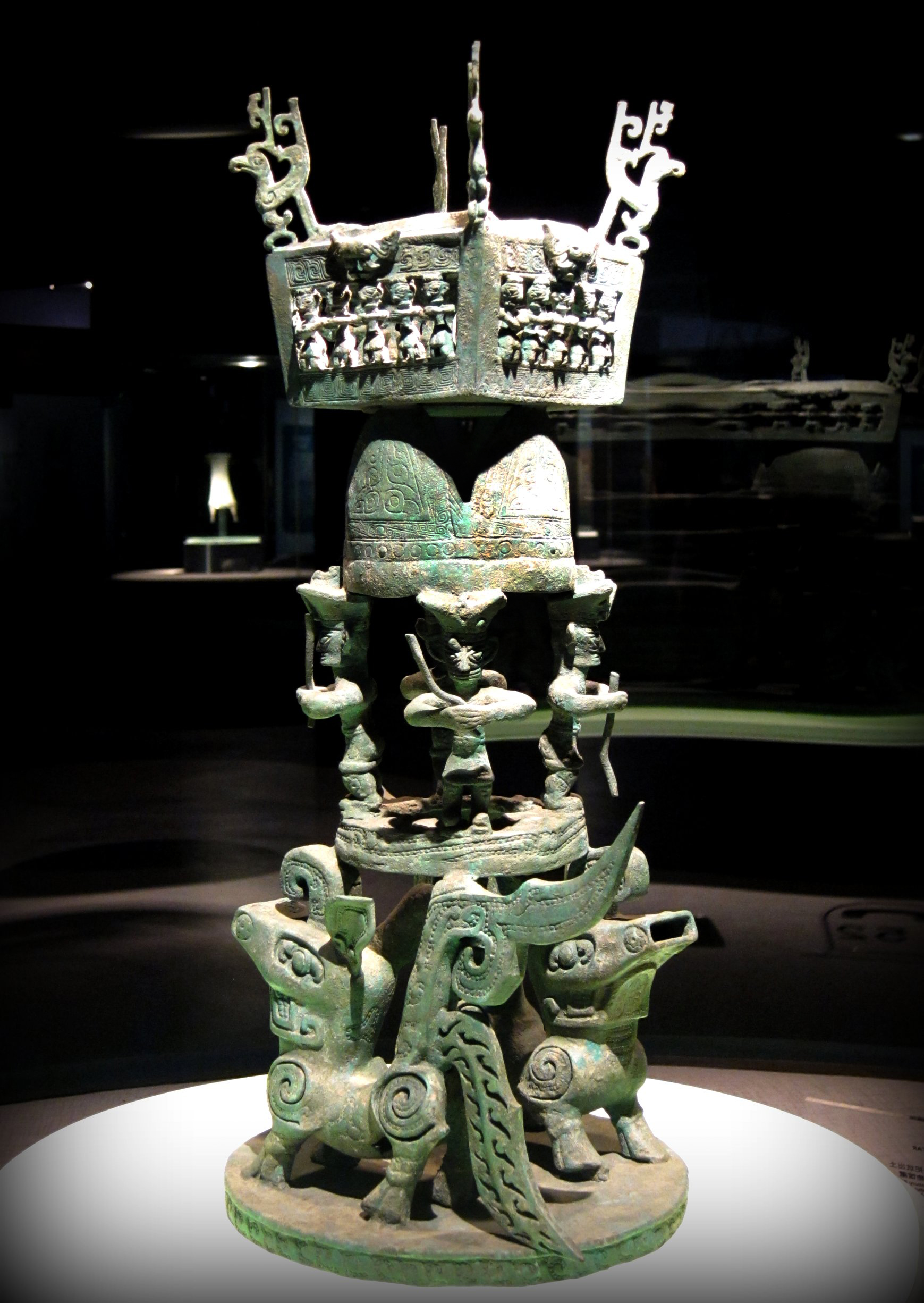
Sanxingdui (‘Three Star Mound’) Wiki
Sanxingdui (Chinese: 三星堆; pinyin: Sānxīngduī; lit. ‘Three Star Mound‘) is an archaeological site and a major Bronze Age culture in modern Guanghan, Sichuan, China. Largely discovered in 1986, following a preliminary finding in 1927, archaeologists excavated artifacts that radiocarbon dating placed in the twelfth–eleventh centuries BC. The archaeological site is the type site for the Sanxingdui culture that produced these artifacts, archeologists have identified the locale with the ancient kingdom of Shu. The artifacts are displayed in the Sanxingdui Museum located
-
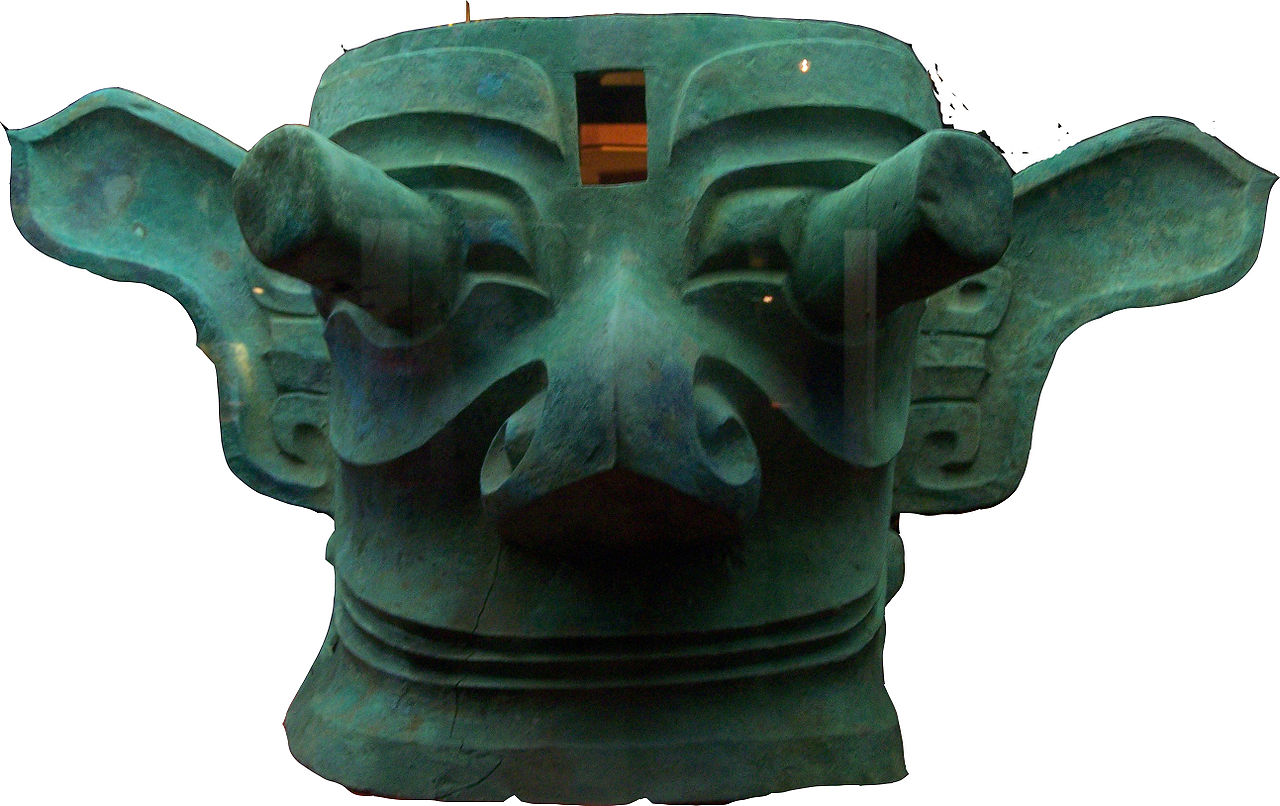
Shi (Personator)
The shi (Chinese: 尸; pinyin: shī; Wade–Giles: sh’ih; lit. ‘corpse’) was a ceremonial “personator” who represented a dead relative during ancient Chinese ancestral sacrifices. In a shi ceremony, the ancestral spirit supposedly would enter the descendant “corpse” personator, who would eat and drink sacrificial offerings and convey messages from the spirit. James Legge, an early translator of the Chinese classics, described shi personation ceremonies as “grand family reunions where the
-

The lactating birds and the bees (gastrin, pepsin, etc)
Crop milk is a secretion from the lining of the crop of parent birds that is regurgitated to young birds. It is found among all pigeons and doves where it is referred to as pigeon milk. An analog to crop milk is also secreted from the esophagus of flamingos and the male emperor penguin. Description Crop milk bears little physical resemblance to mammalian milk. Crop milk is a
-
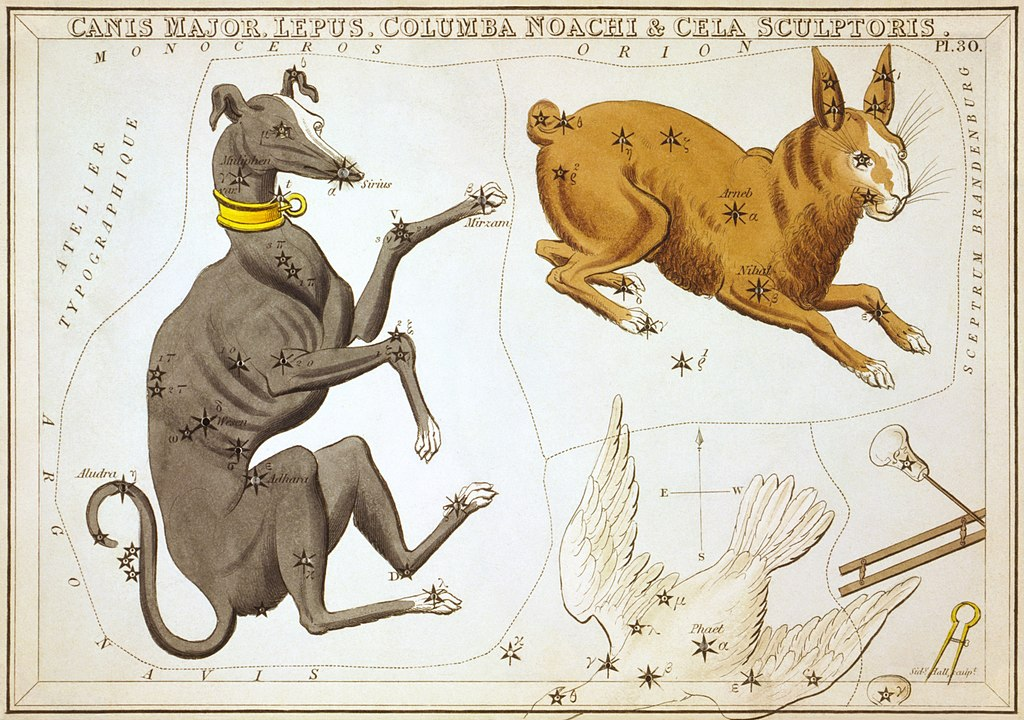
Columba constellation
Columba is a faint constellation designated in the late sixteenth century, remaining in official use, with its rigid limits set in the 20th century. Its name is Latin for dove. It takes up 1.31% of the southern celestial hemisphere and is just south of Canis Major and Lepus. History Early 3rd century BC: Aratus‘s astronomical poem Phainomena (lines 367–370 and 384–385) mentions faint stars where Columba is
-

Columba the cosmic dove and celestial toilet humor
The Columba constellation, where celestial family drama meets cosmic bathroom humor! Let’s dive into a delightful corner of Chinese astronomy that proves even the heavens aren’t above a good potty joke. A Family Affair in the Sky In Chinese astronomy, Columba isn’t just a pretty dove fluttering across the night sky. Oh no, it’s a
-

Jason and the Argonauts and the dove
The Symplegades or Clashing Rocks, also known as the Cyanean Rocks, were, according to Greek mythology, a pair of rocks at the Bosphorus that clashed together whenever a vessel went through. They were defeated by Jason and the Argonauts, who would have been lost and killed by the rocks except for Phineus‘ advice. Jason let a dove fly between the rocks to see exactly how fast
-
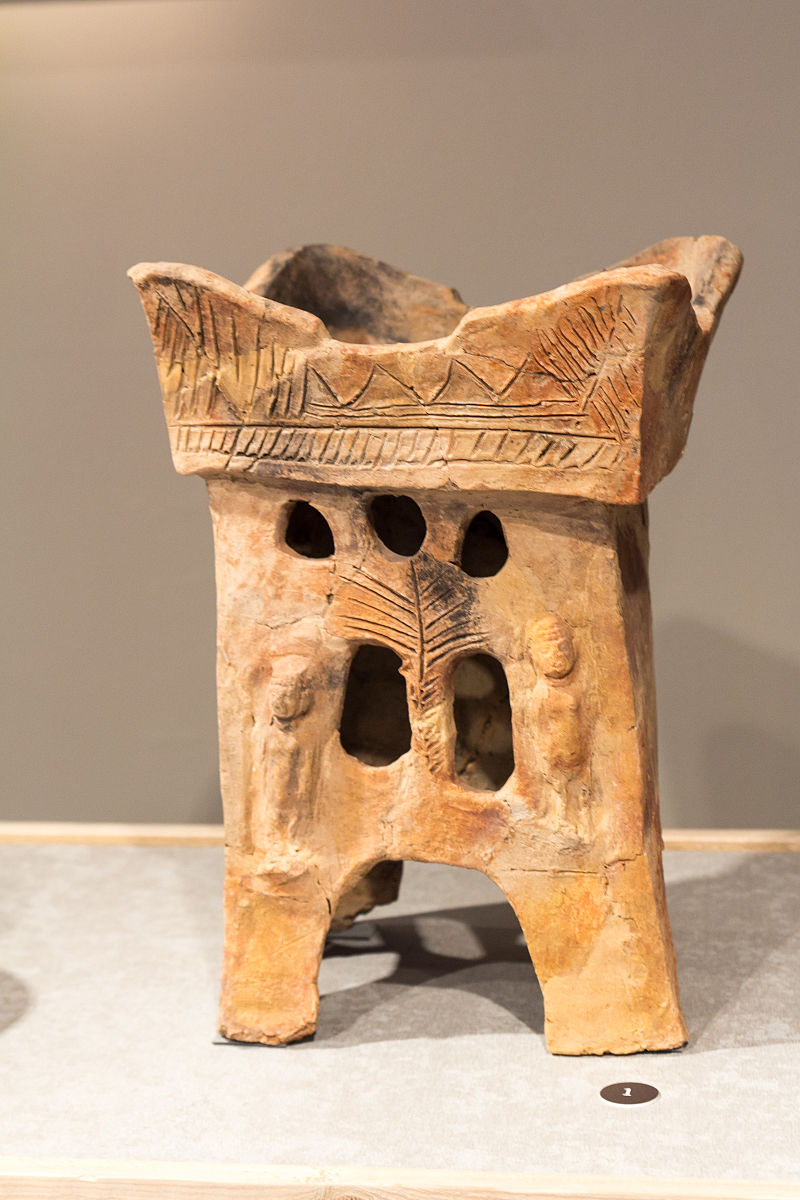
Asherah and Asherim notes
In the ancient Levant, doves were used as symbols for the Canaanite mother goddess Asherah. The Canaanite religion was the group of ancient Semitic religions practiced by the Canaanites living in the ancient Levant from at least the early Bronze Age through the first centuries AD. Canaanite religion was polytheistic and, in some cases, monolatristic. Some gods and goddesses were absorbed into the Yahwist religion of the ancient Israelites, notably El (who later became synonymous with Yahweh), Baal and Asherah, until
-
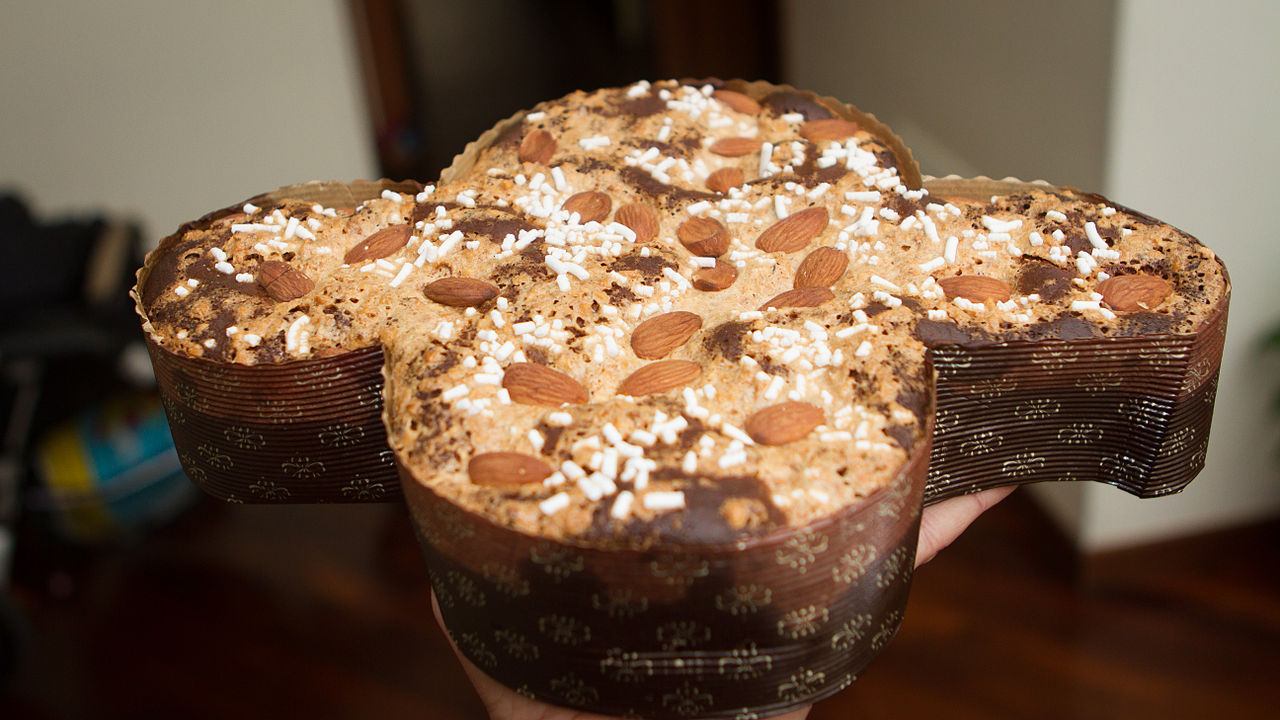
Colomba pasquale, Italian Easter bread
Colomba pasquale [koˈlomba paˈskwaːle] or colomba di Pasqua [koˈlomba di ˈpaskwa] (“Easter Dove” in English) is an Italian traditional Easter bread, the counterpart of the two well-known Italian Christmas desserts, panettone and pandoro. The dough for the colomba is made in a similar manner to panettone, with flour, eggs, sugar, natural yeast and butter; unlike panettone, it usually contains candied peel and no raisins. The dough is then fashioned into a dove shape (colomba in Italian) and finally
Recent Posts
- The Founders did not whisper about aristocracy. They roared. So did the Framers.

- Adams and Jefferson on Aristocracy: A Structural Disagreement in the Early Republic
- John Adams — Opinions of Philosophers — Anti‑Caste Constitutional Foundations
- Corporate “persons” are a perfect example of a Titles of Nobility (TON) violation
- TON vs. Global Trends and National Enrollment
Tags
2025 agriculture alchemy anthropology archaeology art biochemistry biography biology chemistry civil rights crystallography culture duplicate ecology economics endocrinology entertainment entomology folklore genetics geology glossary hematology history immunology law linguistics materials science medicine mythology neurology philosophy physiology politics psychology public health religion reproduction science smoker's paradox symbolism systems theory technology toxicology