-
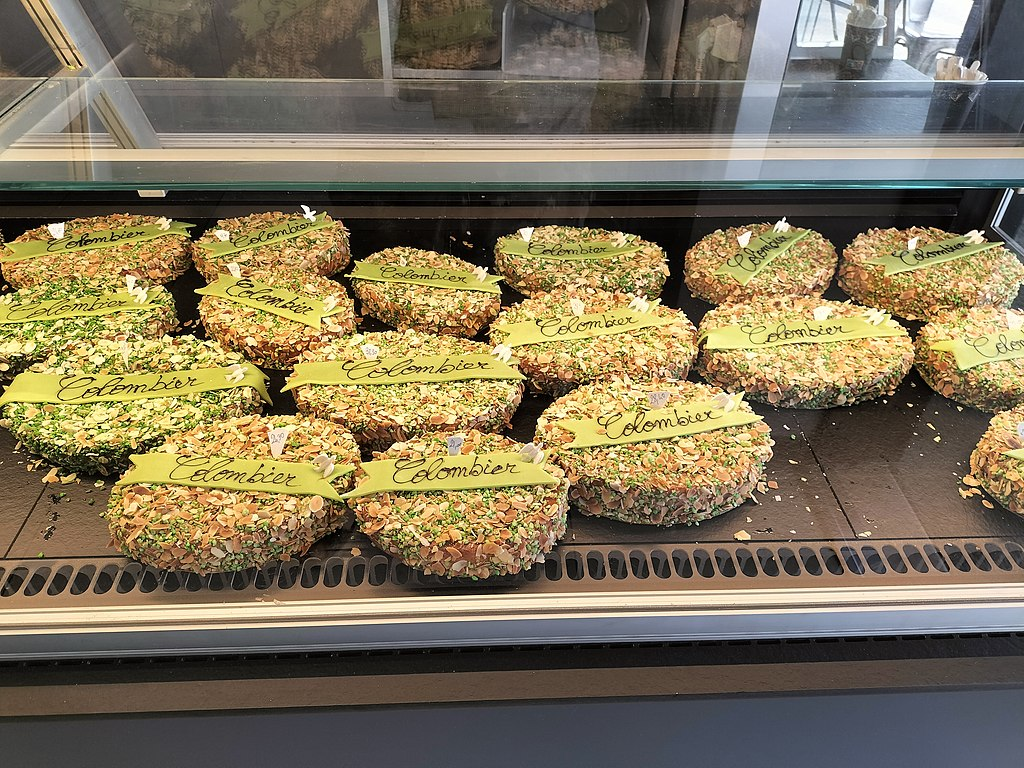
Dovecote cake and the founding myth of Marseille
In Marseille tradition, the dovecote is a cake offered by pastry chefs at the time of Pentecost: cake made from almonds and melon, covered with sugar, generously colored, flavored with kirsch and inside is hidden a dove. This oval-shaped cake is adorned with a strip of marzipan on which is written: “whoever the dove will have in the year will marry”. This typically Marseilles tradition,
-
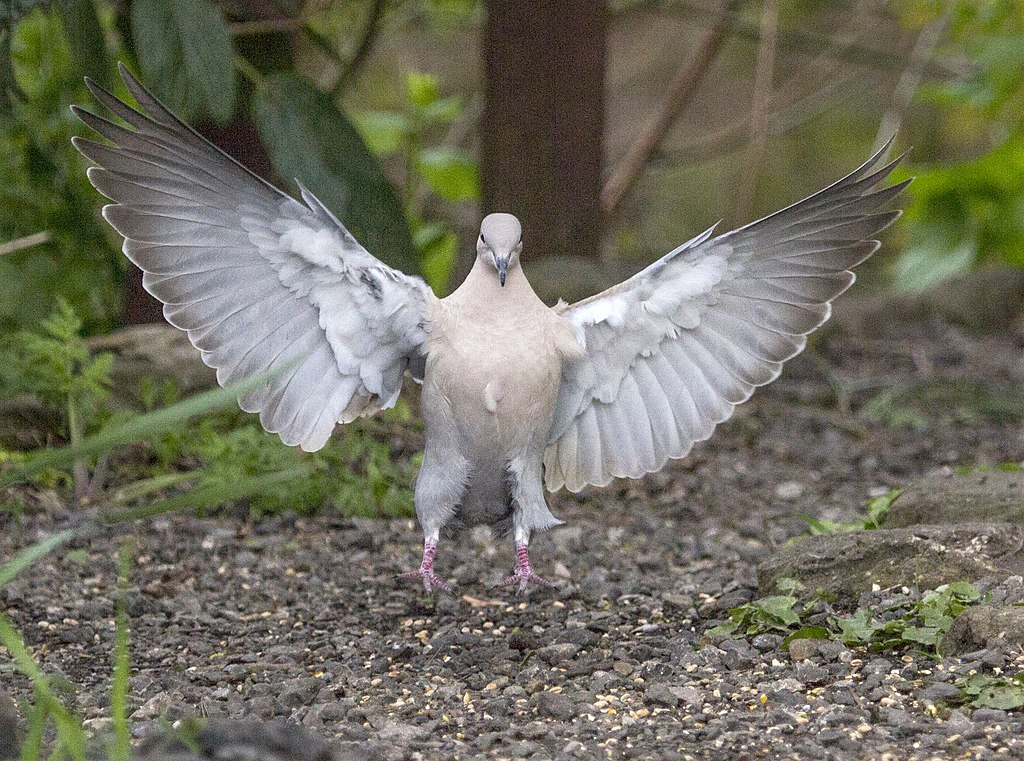
Columbidae anatomy and physiology notes
Overall, the anatomy of Columbidae is characterized by short legs, short bills with a fleshy cere, and small heads on large, compact bodies. Like some other birds, the Columbidae have no gall bladders. Some medieval naturalists concluded they have no bile (gall), which in the medieval theory of the four humours explained the allegedly sweet disposition of doves. In fact, however, they do have bile (as Aristotle had
-
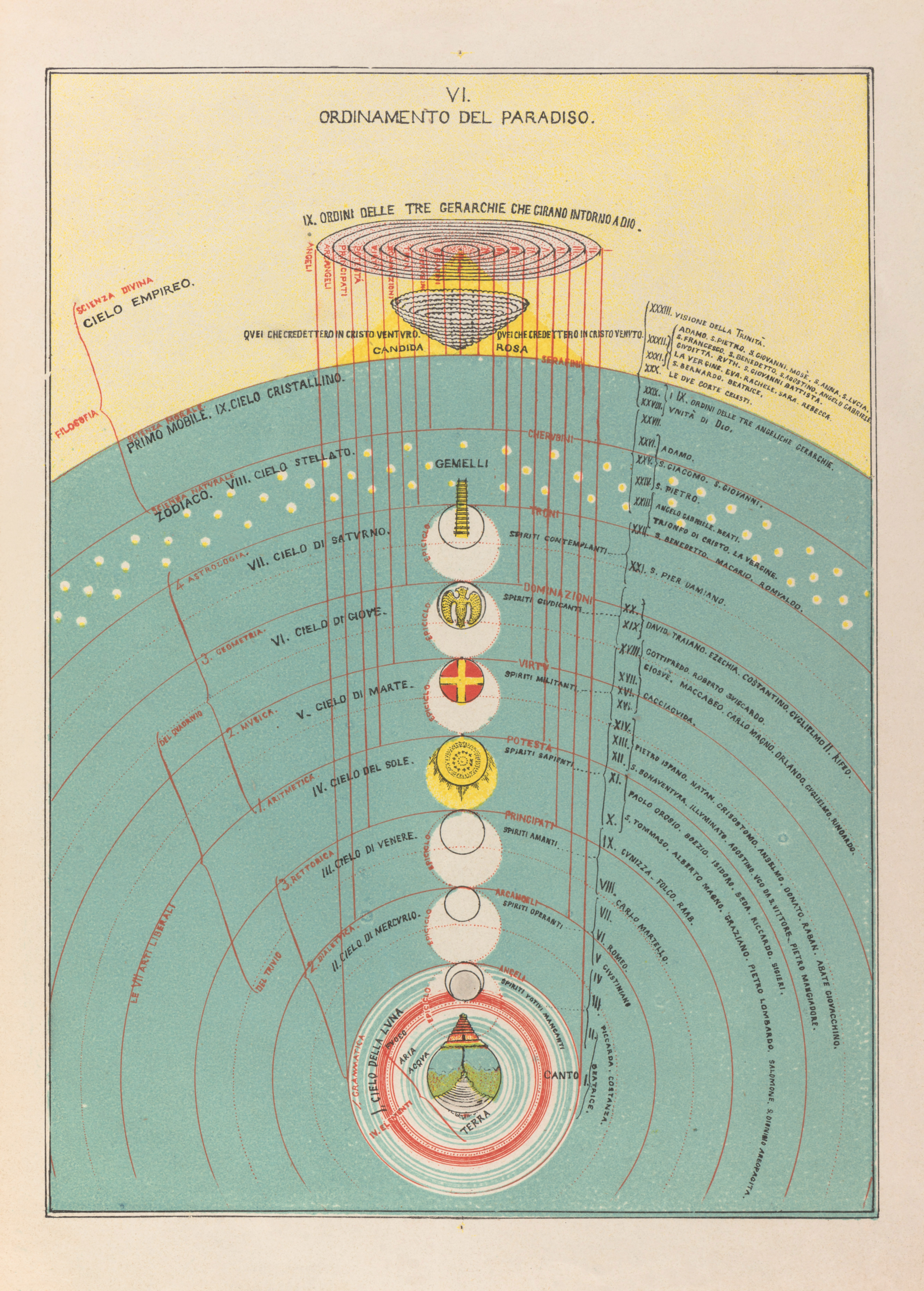
Seven heavens notes
In religious or mythological cosmology, the seven heavens refer to seven levels or divisions of the Heavens. The concept, also found in the ancient Mesopotamian religions, can be found in Judaism, Christianity, and Islam; a similar concept is also found in some other religions such as Hinduism. Some of these traditions, including Jainism, also have a concept of seven earths or seven underworlds both with the metaphysical realms of deities and with observed
-

In Judaism, The Guf or Treasury of Souls is sometimes described as a columbarium
In post-biblical Judaism, souls are envisioned as bird-like (Bahir 119), a concept that may be derived from the Biblical notion that dead spirits “chirp” (Isa. 29:4). The Guf, or Treasury of Souls, is sometimes described as a columbarium, a dovecote. This connects it to a related legend: the “Palace of the Bird’s Nest”, the dwelling place of the
-
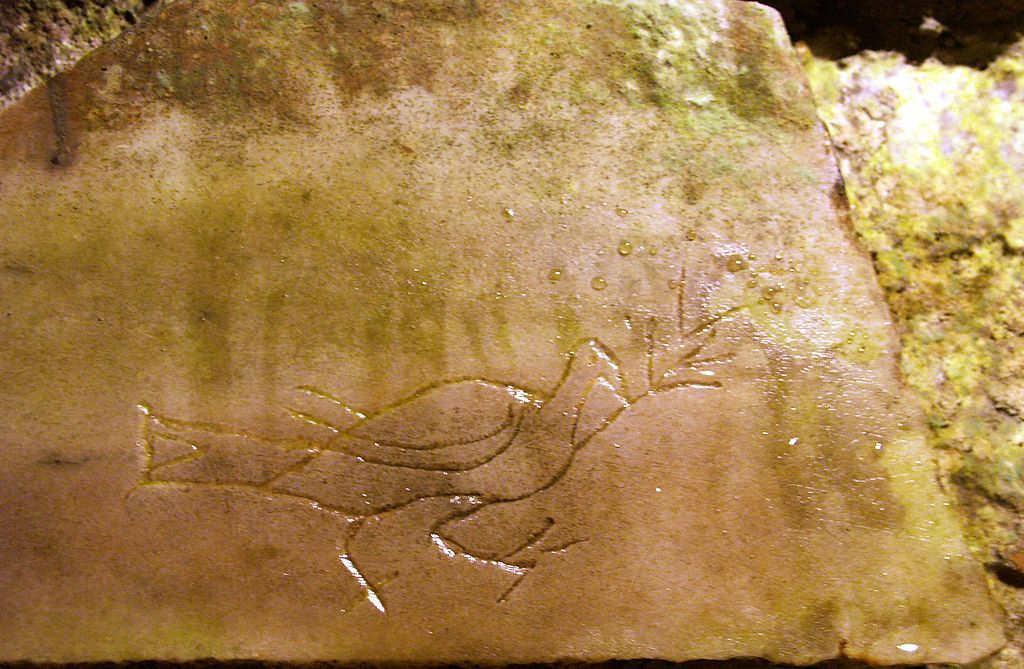
The dove and the raven and the flood notes
According to the biblical story (Genesis 8:11), a dove was released by Noah after the Flood in order to find land; it came back carrying a freshly plucked olive leaf (Hebrew: עלה זית alay zayit),[Gen 8:11] a sign of life after the Flood and of God’s bringing Noah, his family and the animals to land. Rabbinic literature interpreted the olive leaf as “the young shoots of
-
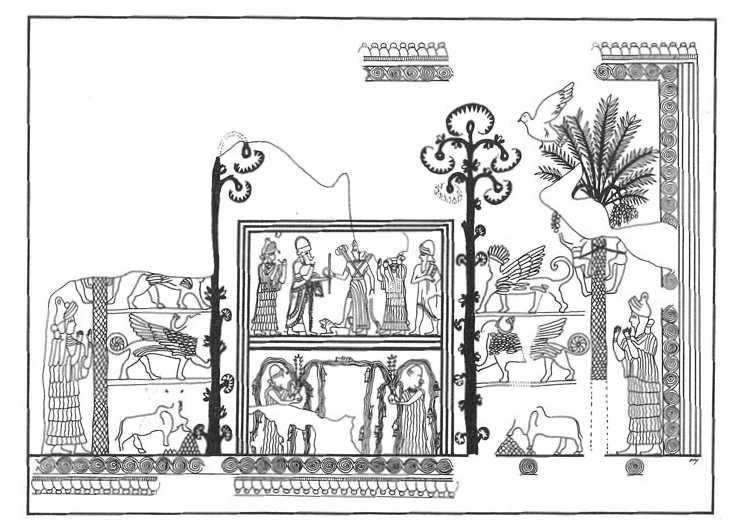
Doves are shown on cult objects associated with Inanna as early as the beginning of the third millennium BC
In ancient Mesopotamia, doves were prominent animal symbols of Inanna-Ishtar, the goddess of love, sexuality, and war. Doves are shown on cultic objects associated with Inanna as early as the beginning of the third millennium BC. Lead dove figurines were discovered in the temple of Ishtar at Aššur, dating to the thirteenth century BC, and a painted fresco from Mari, Syria shows
-
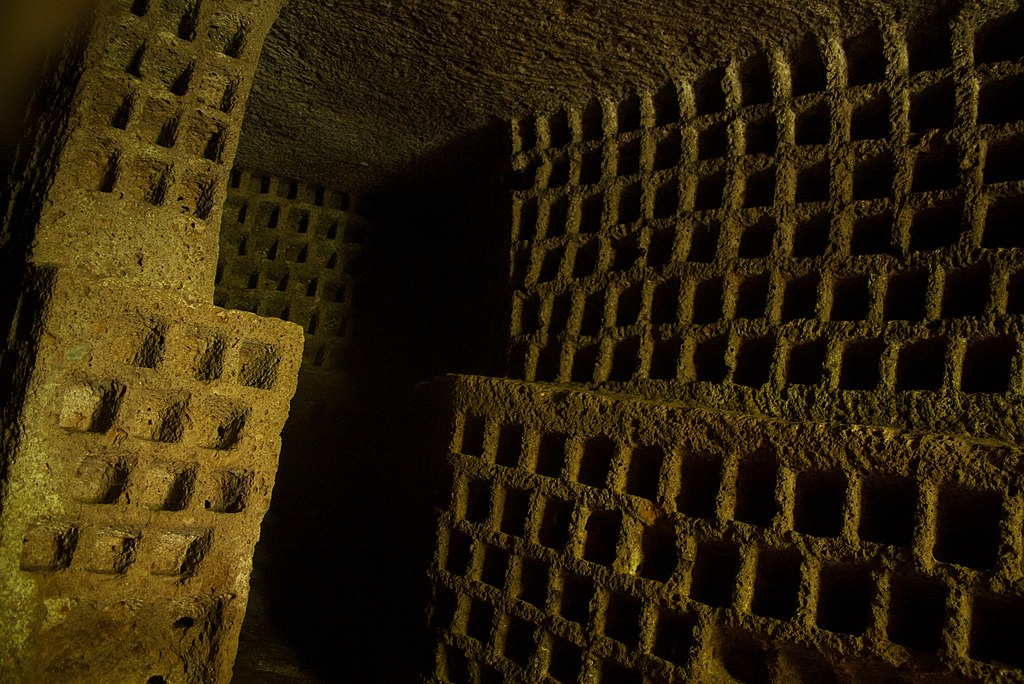
A columbarium is a structure for the reverential and usually public storage of funerary urns holding cremains of the dead
A columbarium (pl. columbaria) is a structure for the reverential and usually public storage of funerary urns holding cremains of the dead. The term comes from the Latin columba (dove) and originally solely referred to compartmentalized housing for doves and pigeons, also called dovecotes. Background Roman columbaria were often built partly or completely underground. The Columbarium of Pomponius Hylas is an ancient Roman example, rich in frescoes, decorations, and
-
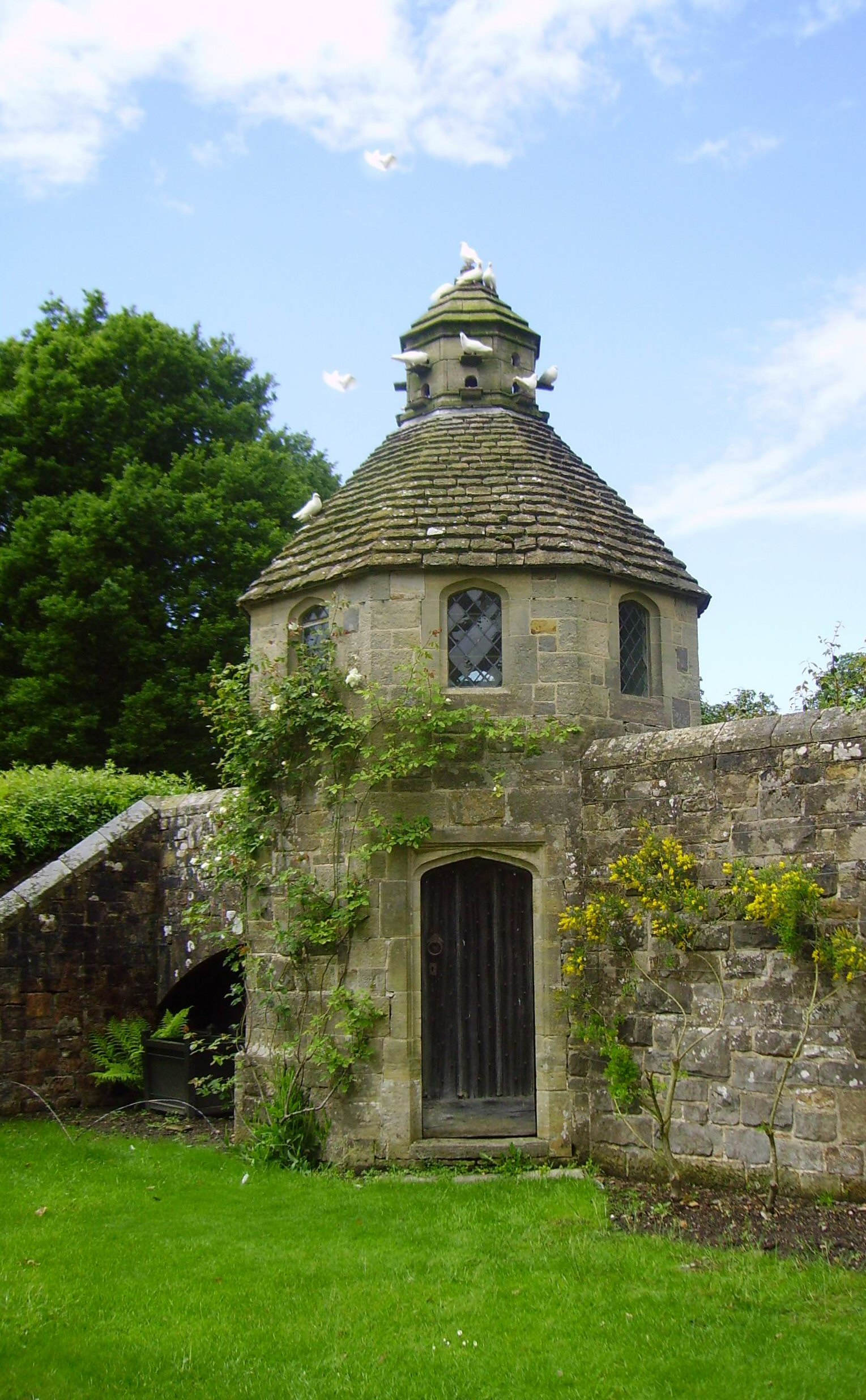
A dovecote or columbarium is a structure intended to house pigeons or doves
A dovecote or dovecot, doocot (Scots) or columbarium is a structure intended to house pigeons or doves. Dovecotes may be free-standing structures in a variety of shapes, or built into the end of a house or barn. They generally contain pigeonholes for the birds to nest. Pigeons and doves were an important food source historically in the Middle East and Europe and were kept for
-
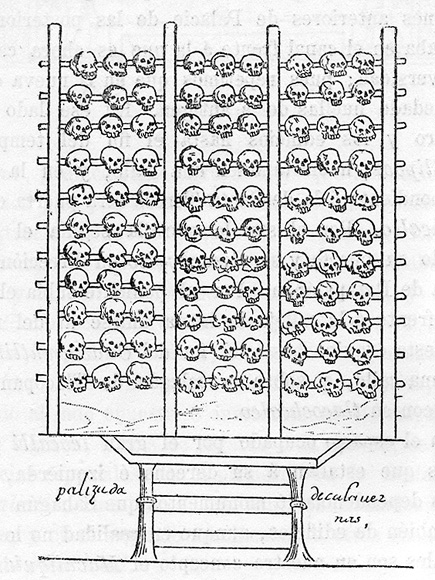
A tzompantli or skull rack was used for the public display of human skulls, typically of war captives or sacrificial victims
A tzompantli (Nahuatl pronunciation: [t͡somˈpant͡ɬi]) or skull rack was a type of wooden rack or palisade documented in several Mesoamerican civilizations, which was used for the public display of human skulls, typically those of war captives or other sacrificial victims. It is a scaffold-like construction of poles on which heads and skulls were placed after holes had been made in them. Many have been documented throughout Mesoamerica,
-
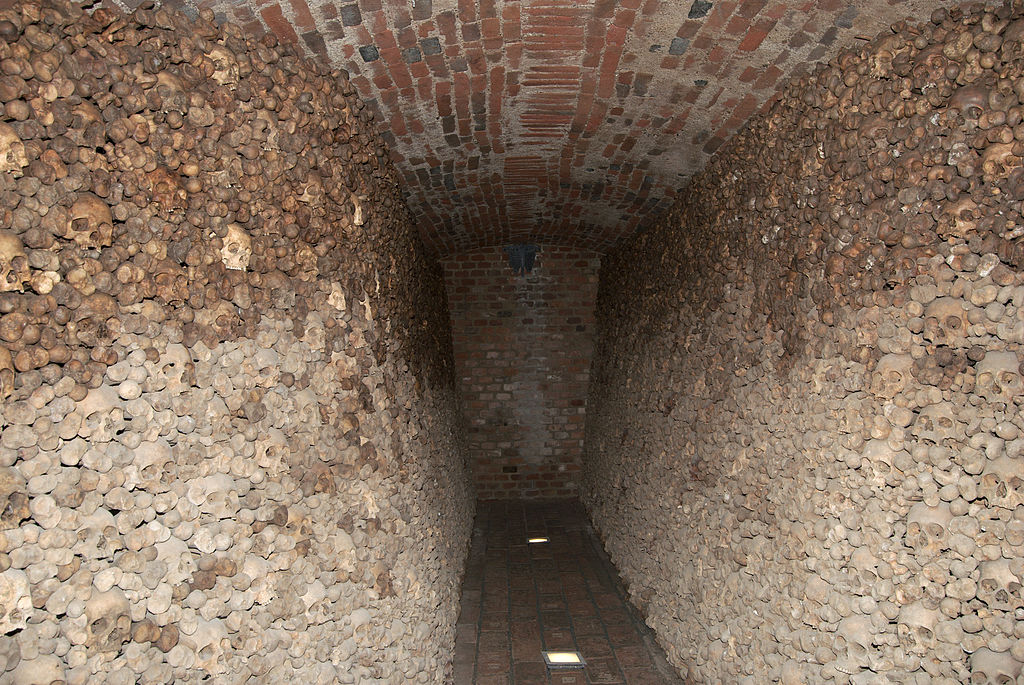
Brno Ossuary holds the remains of over 50 thousand people
Brno Ossuary is an underground ossuary in Brno, Czech Republic. It was rediscovered in 2001 in the historical centre of the city, partially under the Church of St. James. It is estimated that the ossuary holds the remains of over 50 thousand people which makes it the second-largest ossuary in Europe, after the Catacombs of Paris. The ossuary was founded in the 17th century,
Recent Posts
- The Founders did not whisper about aristocracy. They roared. So did the Framers.

- Adams and Jefferson on Aristocracy: A Structural Disagreement in the Early Republic
- John Adams — Opinions of Philosophers — Anti‑Caste Constitutional Foundations
- Corporate “persons” are a perfect example of a Titles of Nobility (TON) violation
- TON vs. Global Trends and National Enrollment
Tags
2025 agriculture alchemy anthropology archaeology art biochemistry biography biology chemistry civil rights crystallography culture duplicate ecology economics endocrinology entertainment entomology folklore genetics geology glossary hematology history immunology law linguistics materials science medicine mythology neurology philosophy physiology politics psychology public health religion reproduction science smoker's paradox symbolism systems theory technology toxicology