-
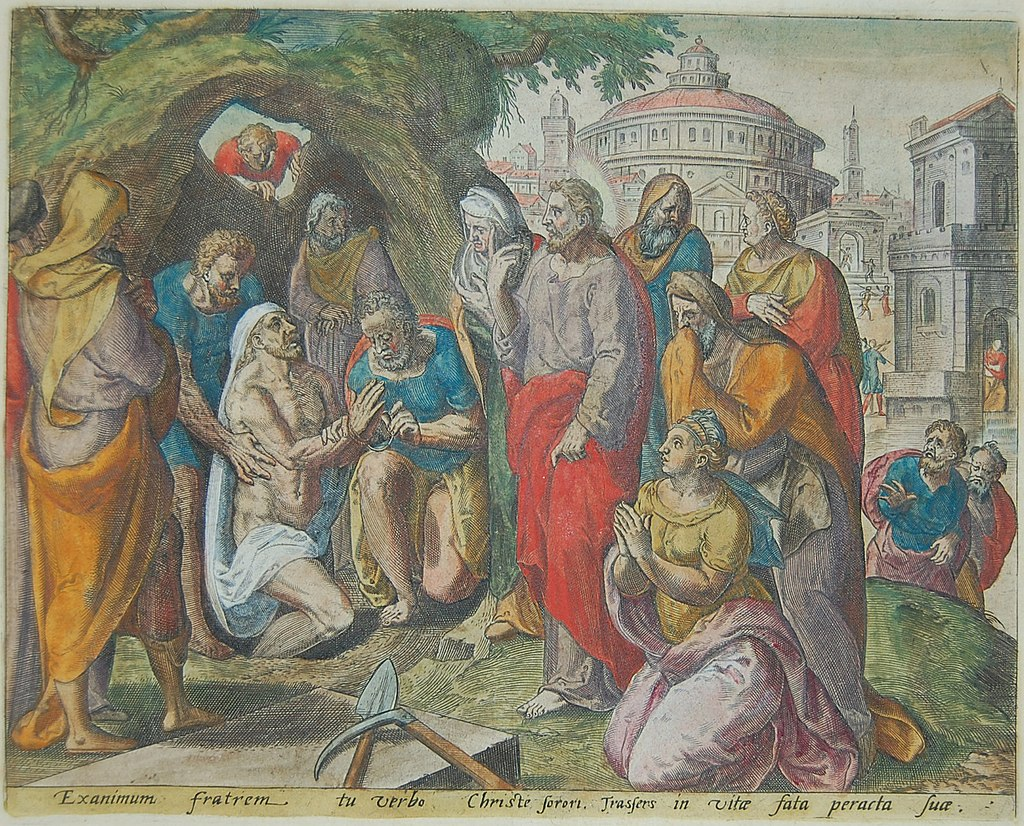
Lazarus of Bethany aka Righteous Lazarus, the Four-Days Dead
Lazarus of Bethany (Latinised from Lazar, ultimately from Hebrew Eleazar, “God helped”), also venerated as Righteous Lazarus, the Four-Days Dead in the Eastern Orthodox Church, is the subject of a sign of Jesus in the Gospel of John, in which Jesus restores him to life four days after his death. The Eastern Orthodox and Catholic traditions offer varying accounts of the later events of his life. In the context of
-
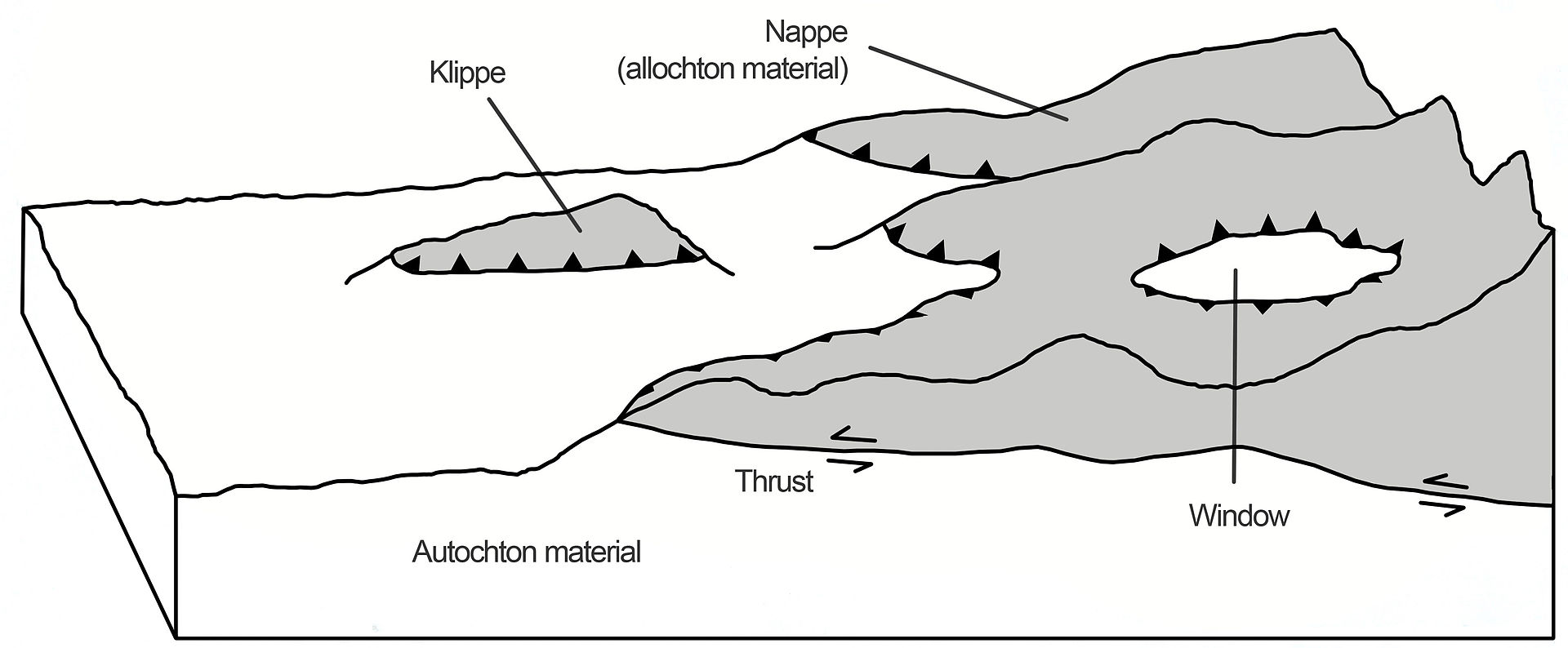
Autochthon and Allochthon
An autochthon in structural geology is a large block or mass of rock which is in the place of its original formation relative to its basement or foundation rock. It can be described as rooted to its basement rock as opposed to an allochthonous block or nappe which has been relocated from its site of formation usually by low angle thrust faulting. For other possible mechanisms see obduction.
-
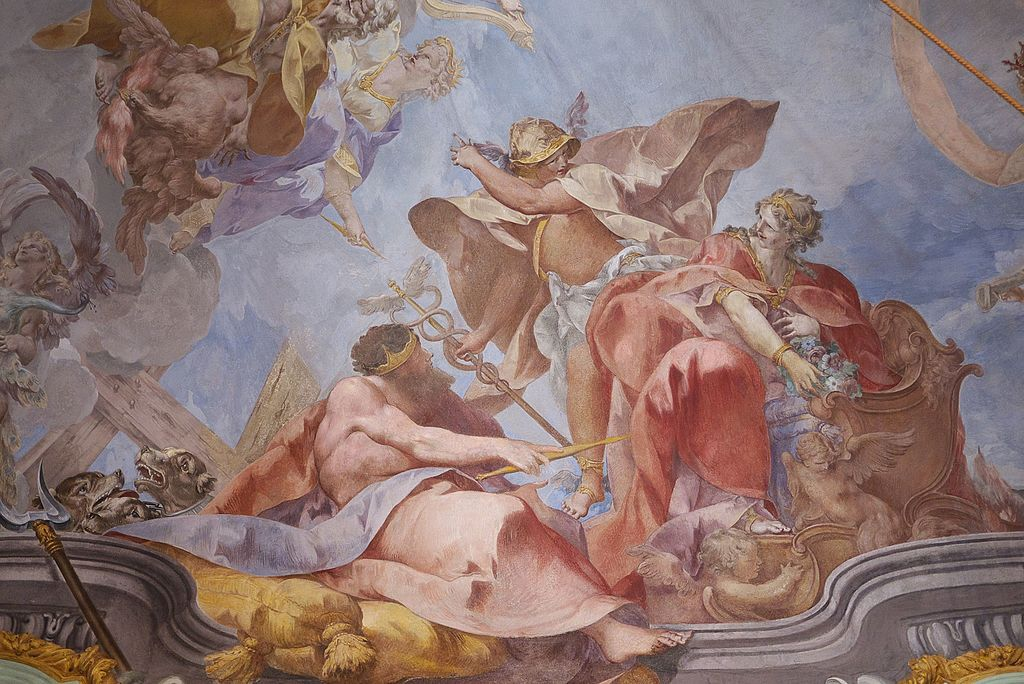
Dis Pater aka Rex Infernus, Roman god of the underworld, contracted from Dives Pater (“Father of Riches”)
Dīs Pater (Dītis Patris), otherwise known as Rex Infernus or Pluto, is a Roman god of the underworld. Dis was originally associated with fertile agricultural land and mineral wealth, and since those minerals came from underground, he was later equated with the chthonic deities Pluto (Hades) and Orcus. Dīs Pater’s name was commonly shortened to Dīs, and this name has since become an alternative name for the underworld or a part
-
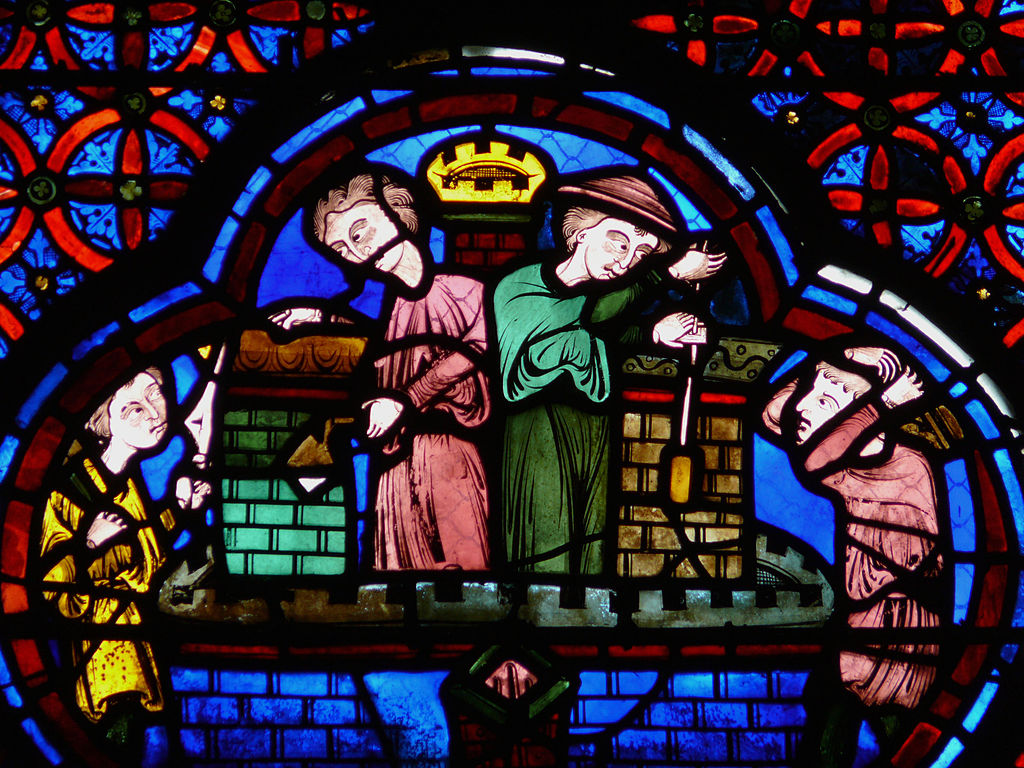
The rich man and Lazarus aka the parable of Dives and Lazarus
The rich man and Lazarus (also called the parable of Dives and Lazarus) is a parable of Jesus from the 16th chapter of the Gospel of Luke. Speaking to his disciples and some Pharisees, Jesus tells of an unnamed rich man and a beggar named Lazarus. When both die, the rich man goes to Hell and implores Abraham to send Lazarus from his side in Heaven to warn the rich
-
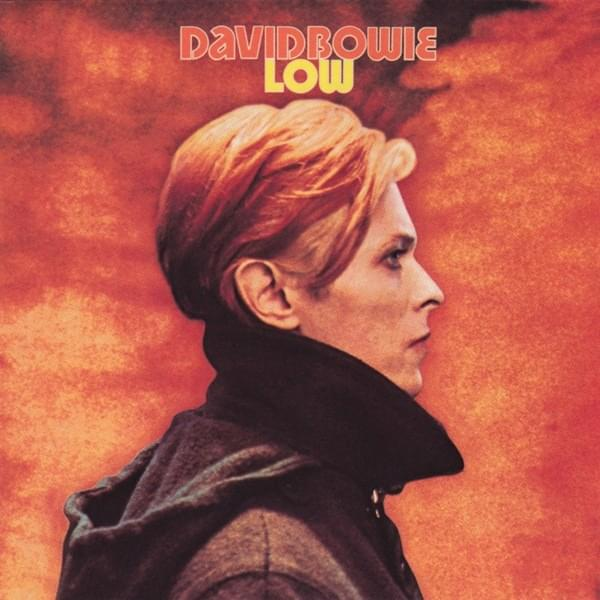
“Subterraneans” is a song by David Bowie
“Subterraneans” is a song by David Bowie, the closing track of his 1977 album Low. As with most of Side 2, “Subterraneans” is mostly instrumental, with brief, obscure lyrics sung near the song’s end. “Subterraneans” was first recorded in 1975 and intended for the soundtrack to the 1976 film The Man Who Fell to Earth. It was later revisited
-
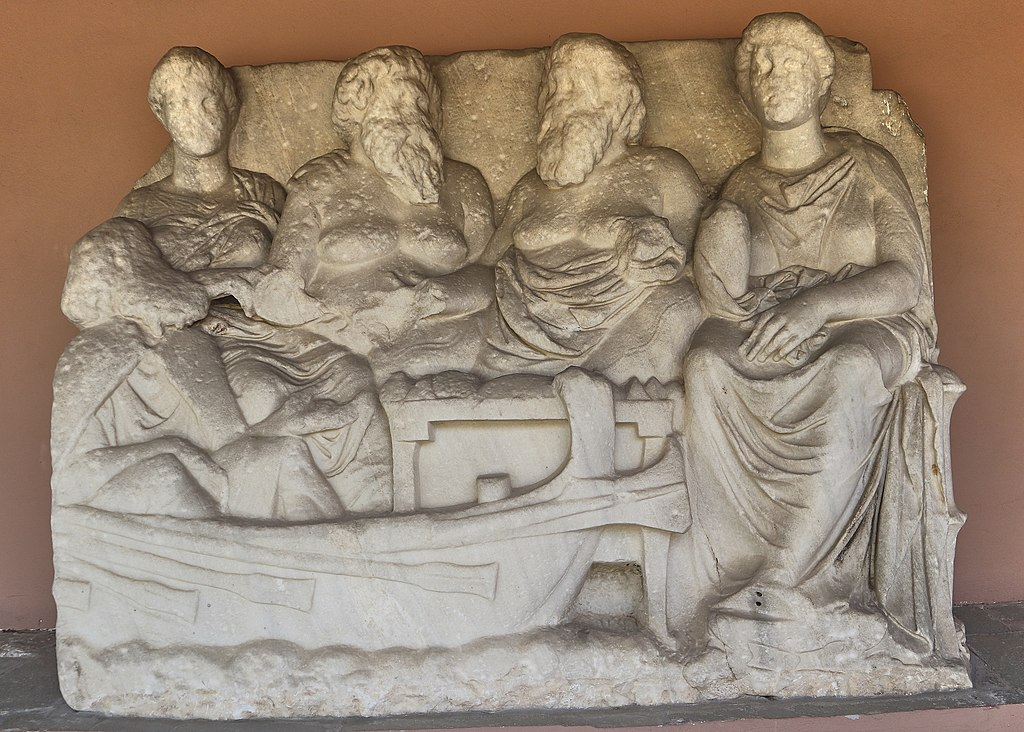
Chthonic is a word related to all things underworld
The word chthonic, or chthonian, is derived from the Ancient Greek word χθών, “khthon”, meaning earth or soil. It translates more directly from χθόνιος or “in, under, or beneath the earth” which can be differentiated from Γῆ, or “ge”, which speaks to the living surface of land on the earth. In Greek, chthonic is a descriptive word for things relating to
-

Plutus is an Ancient Greek comedy 388 BCE
Plutus Written by Aristophanes Chorus Rustics Characters ChremylosCario(n)PlutusPeniaHermes Mute mutual Date premiered 388 BCE Original language Ancient Greek Genre Ancient Greek comedyPolitical satire Setting Classical Athens Plutus is an Ancient Greek comedy by the playwright Aristophanes, which was first produced in 388 BCE. A political satire on contemporary Athens, it features the personified god of wealth Plutus. Reflecting the development of Old Comedy towards
-
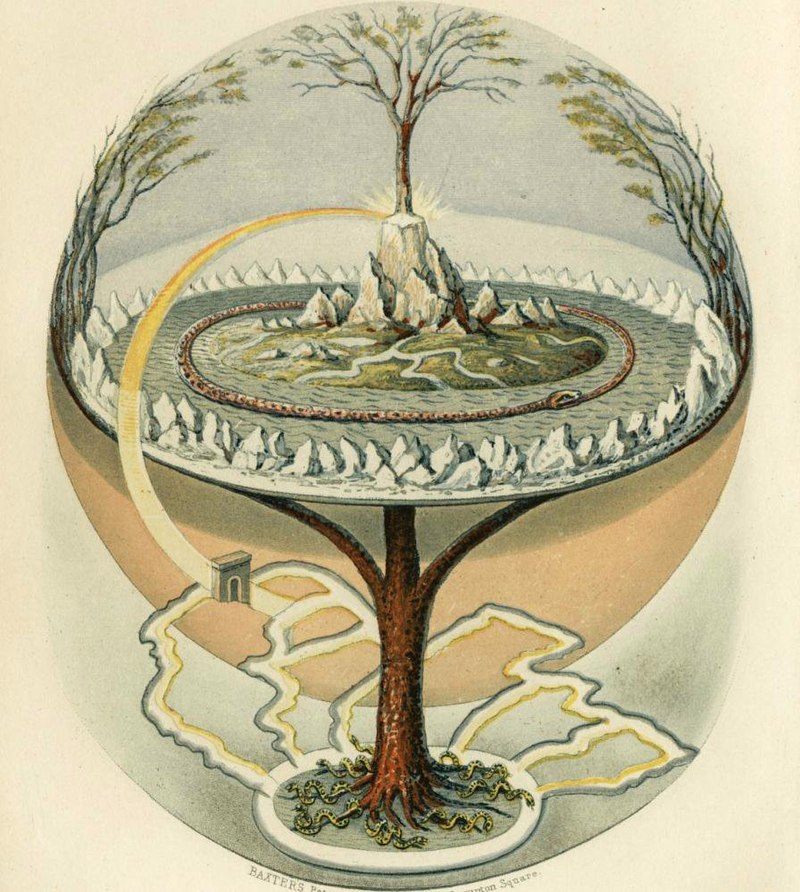
Underworld list (Wikipedia)
The underworld, also known as the netherworld or hell, is the supernatural world of the dead in various religious traditions and myths, located below the world of the living. Chthonic is the technical adjective for things of the underworld. The concept of an underworld is found in almost every civilization and “may be as old as humanity itself”. Common features of underworld myths are accounts of living people
-
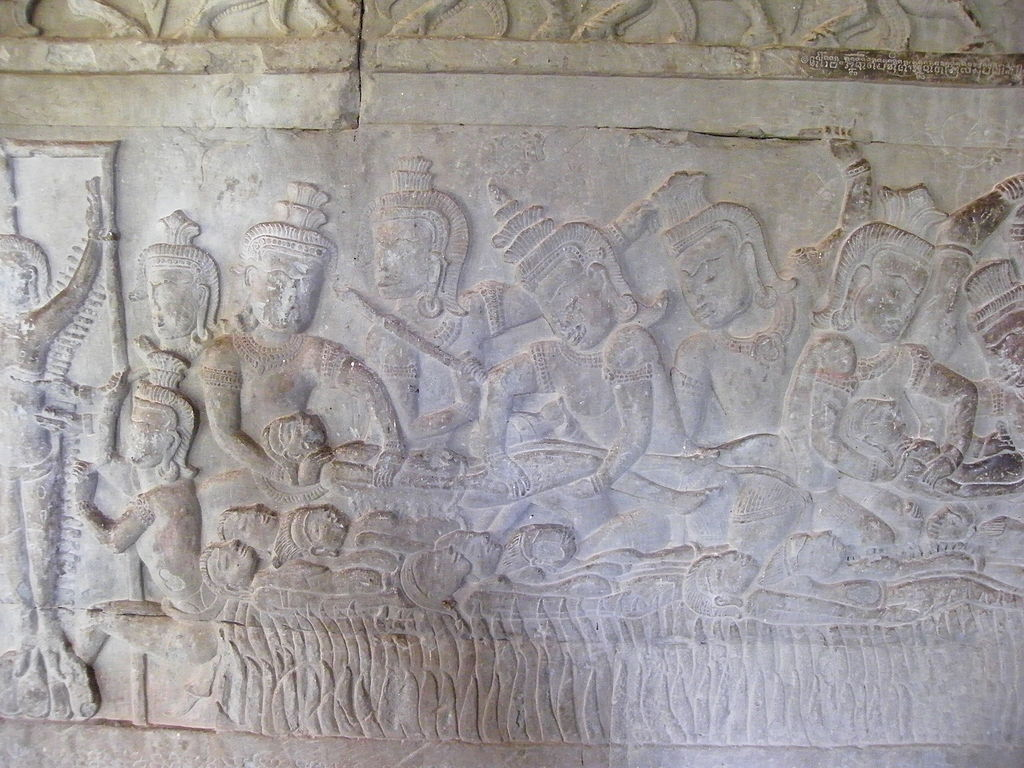
Naraka is a place of torment according to some schools of Hinduism, Jainism and Buddhism and a dynasty
Naraka (Sanskrit: नरक) is the realm of hell in Indian religions. According to some schools of Hinduism, Jainism and Buddhism, Naraka is a place of torment. The word Neraka (modification of Naraka) in Indonesian and Malaysian has also been used to describe the Islamic concept of Hell. For the mythological dynasty, see Naraka dynasty. Wikipedia presently has a note on their Dynasty page that reads: Dy.Nasty –> Die.Nasty. It has negative connotations and we should
-
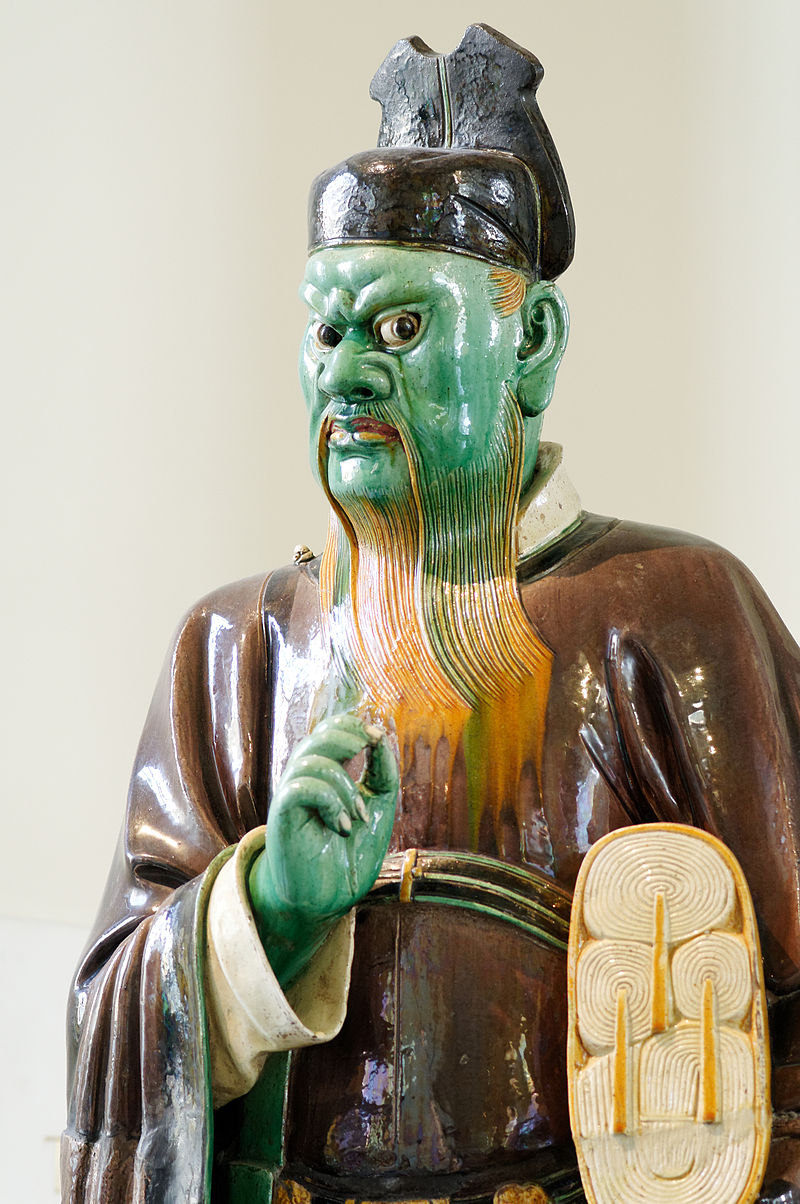
Youdu is the capital of Hell in Chinese mythology
Youdu (幽都) in Chinese mythology is the capital of Hell, or Diyu. Among the various other geographic features believed of Diyu, the capital city has been thought to be named Youdu. It is generally conceived as being similar to a typical Chinese capital city, such as Chang’an, but surrounded with and pervaded with darkness. Name “You” (幽) in Chinese means
Recent Posts
- The Founders did not whisper about aristocracy. They roared. So did the Framers.

- Adams and Jefferson on Aristocracy: A Structural Disagreement in the Early Republic
- John Adams — Opinions of Philosophers — Anti‑Caste Constitutional Foundations
- Corporate “persons” are a perfect example of a Titles of Nobility (TON) violation
- TON vs. Global Trends and National Enrollment
Tags
2025 agriculture alchemy anthropology archaeology art biochemistry biography biology chemistry civil rights crystallography culture duplicate ecology economics endocrinology entertainment entomology folklore genetics geology glossary hematology history immunology law linguistics materials science medicine mythology neurology philosophy physiology politics psychology public health religion reproduction science smoker's paradox symbolism systems theory technology toxicology