-

Gate of the Ghosts
The Gate of the Ghosts (simplified: 鬼门关; traditional: 鬼門關), or Devil’s Gate, Demon Gate, known as Guimen guan in Chinese, is a pass in the Underworld in Chinese mythology. The gate is a pailou (also known as a paifang, a traditional style of Chinese architectural arch or gateway structure) with the words “Gate of the Ghosts” written on the horizontal plaque. Legend has it that on their way to the Ghost Country, the
-

Diyu (‘earth prison’) is the realm of the dead in Chinese mythology
Diyu (simplified Chinese: 地狱; traditional Chinese: 地獄; pinyin: dìyù; lit. ‘earth prison’) is the realm of the dead or “hell” in Chinese mythology. It is loosely based on a combination of the Buddhist concept of Naraka, traditional Chinese beliefs about the afterlife, and a variety of popular expansions and reinterpretations of these two traditions. The concept parallels purgatory in certain Christian denomininations. Diyu is typically depicted as a
-
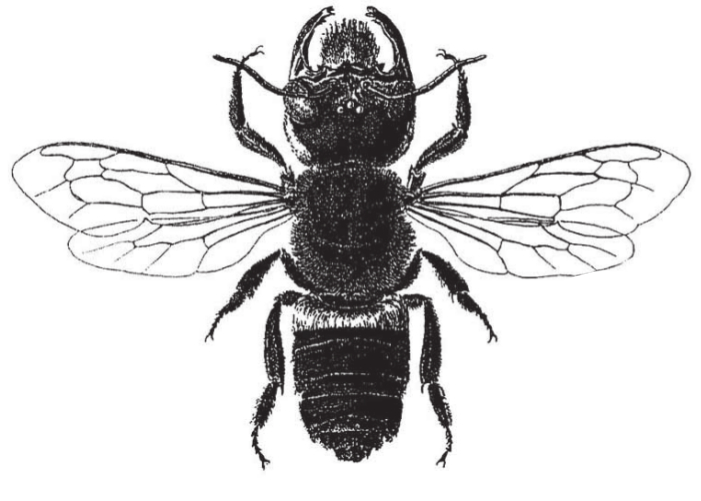
Megachile pluto aka king of the bees
Megachile pluto, also known as Wallace’s giant bee or raja ofu (lit. ’king of the bees’), is a large resin bee found in Indonesia. With a wingspan of 63.5 mm (2.5 in) it is the largest known living bee species. It was believed to be extinct until several specimens were discovered in 1981. No further sightings were confirmed until two specimens were collected and sold on eBay in
-
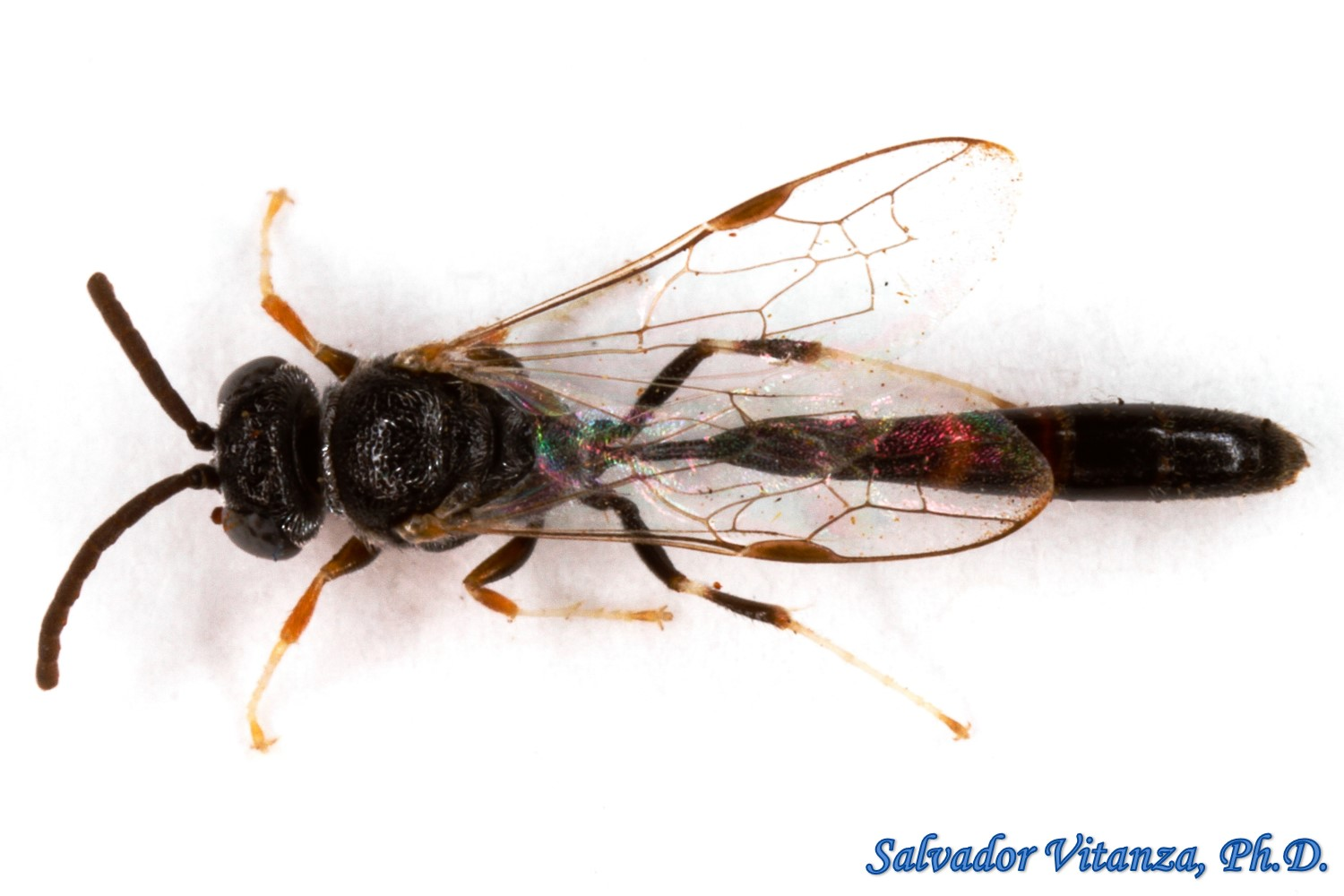
Pluto is a genus of aphid wasps
Pluto is a genus of aphid wasps in the family Crabronidae. There are at least 50 described species in Pluto. The subfamily Pemphredoninae also known as the aphid wasps, is a large group in the wasp family Crabronidae, with over 1000 species. Historically, this subfamily has frequently been accorded family status. In some recent phylogenetic analyses, one of the subtribes within this group is the sister lineage
-
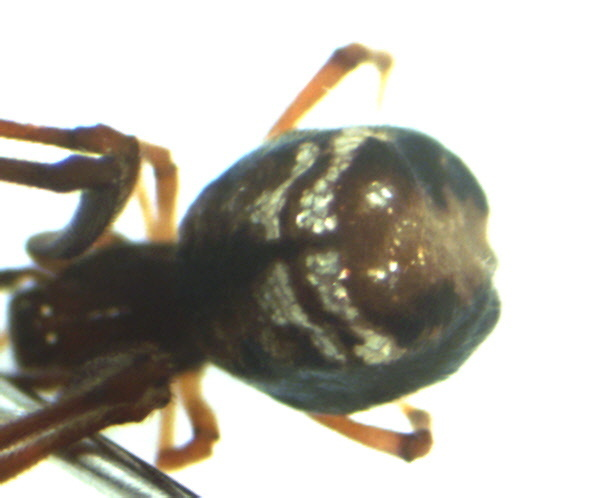
Argyrodes pluto is a species of cobweb spider and kleptoparasite
Argyrodes pluto is a species of cobweb spider in the family Theridiidae. It is found in the United States, Mexico, and Jamaica. Argyrodes, also called dewdrop spiders, is a genus of comb-footed spiders that was first described by Eugène Louis Simon in 1864. They occur worldwide, and are best known for their kleptoparasitism. They can spin their own webs, but tend to invade and reside in their hosts’ webs. This relationship
-
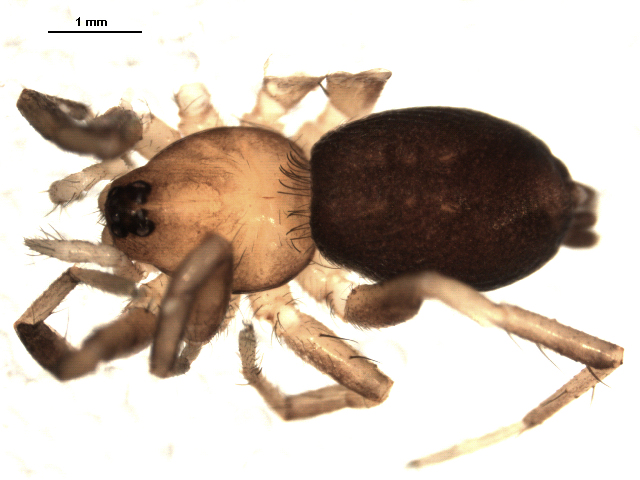
Callilepis pluto
Callilepis pluto is a species of ground spider in the family Gnaphosidae. It is found in the United States and Canada. References External links Categories:
-
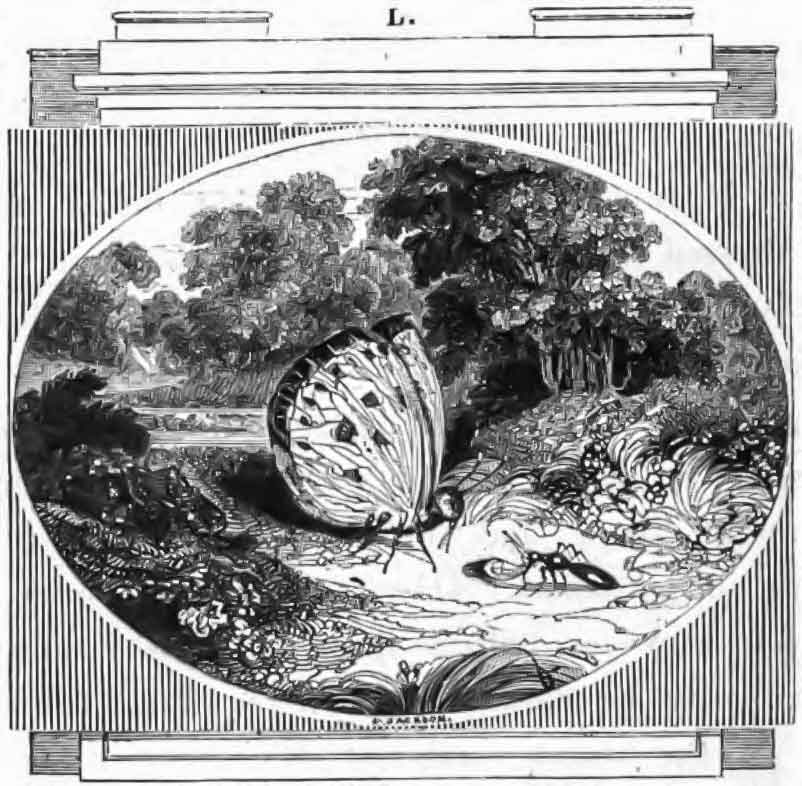
The Ant and the Caterpillar
As an Ant of his talents superiorly vain,Was trotting with consequence over the plain;A Worm, in his progress remarkably slow,Cry’d ‘Bless your good worship, wherever you go!‘I hope your great mightiness won’t take it ill,‘I pay my respects from an hearty good will.’With a look of contempt and ineffable pride,‘Begone! you vile reptile, his Antship
-
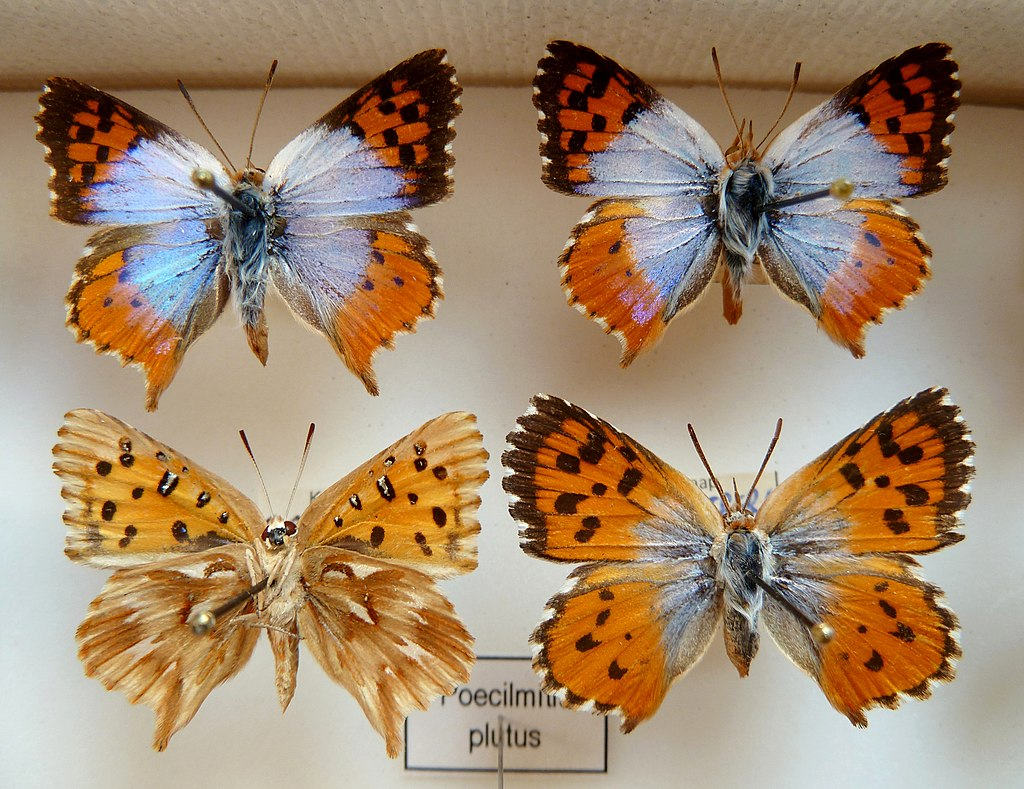
Plutus opal butterflies and black cocktail ants
Chrysoritis plutus, the Plutus opal, is a butterfly of the family Lycaenidae found only in South Africa. The wingspan is 24–28 mm for males and 26–35 mm for females. Flight period is two broods from August to December and January to April. Larvae feed on the Thesium species. Thesium is a genus of flowering plants in the family Santalaceae, sandalwoods, a widely distributed family of flowering plants (including small trees, shrubs, perennial herbs, and epiphytic climbers) which,
-

Pluteus (sculpture)
In architecture and sculpture, a pluteus (plural plutei) is a balustrade made up of massive rectangular slabs of wood, stone or metal, which divides part of a building in half; in a church they fulfil the same function as an iconostasis or rood screen, separating the nave from the chancel. They are decorated with frames in relief or richly decorated with figures or geometric
-
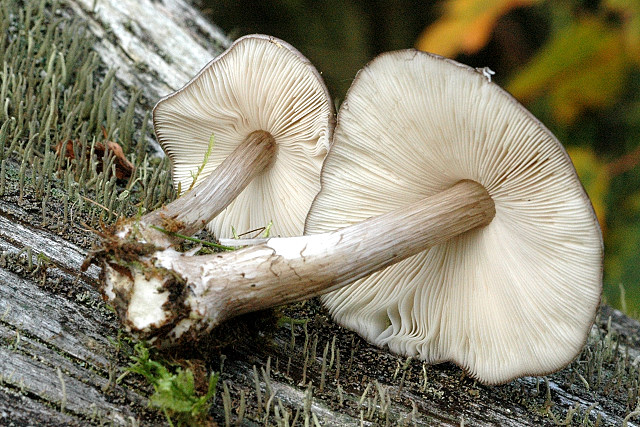
Pluteus is a large genus of fungi with over 300 species
Pluteus is a large genus of fungi with over 300 species. They are wood rotting saprobes with pink spore prints and gills that are free from the stem. Etymology The Latin word Pluteus means shed or penthouse. Characteristics of the Pluteus genus are: Pluteus is separated from Volvariella due to the lack of a volva, and from Entoloma by growing on wood and by microscopic features (Entolomas have angular spores). Naming The name Pluteus was established in 1837 by the founding
Recent Posts
- The Founders did not whisper about aristocracy, they roared (and so did the Framers)

- Adams and Jefferson on Aristocracy: A Structural Disagreement in the Early Republic
- John Adams — Opinions of Philosophers — Anti‑Caste Constitutional Foundations
- Corporate “persons” are a perfect example of a Titles of Nobility (TON) violation
- TON vs. Global Trends and National Enrollment
Tags
2025 agriculture alchemy anthropology archaeology art biochemistry biography biology chemistry civil rights crystallography culture duplicate ecology economics endocrinology entertainment entomology folklore genetics geology glossary hematology history immunology law linguistics materials science medicine mythology neurology philosophy physiology politics psychology public health religion reproduction science smoker's paradox symbolism systems theory technology toxicology