-
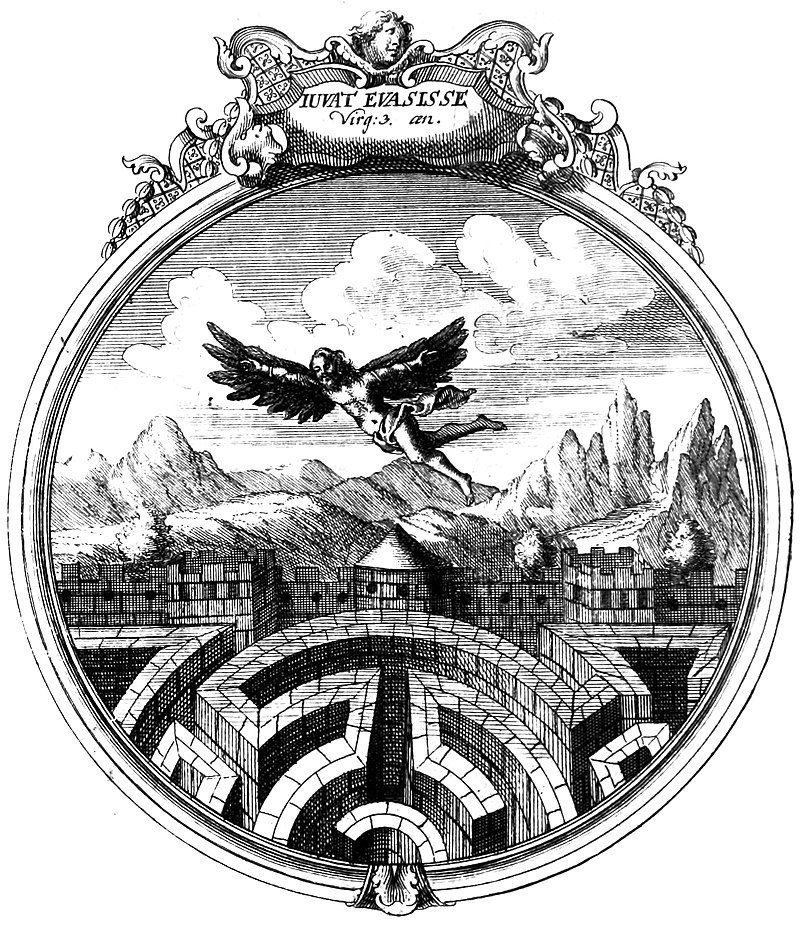
Daedalus (Greek Mythology)
In Greek mythology, Daedalus (Greek: Δαίδαλος; Latin: Daedalus; Etruscan: Taitale) was a skillful architect and craftsman, seen as a symbol of wisdom, knowledge and power. He is the father of Icarus, the uncle of Perdix, and possibly also the father of Iapyx. Among his most famous creations are the wooden cow for Pasiphaë, the Labyrinth for King Minos of Crete which imprisoned the Minotaur, and wings that he and his son Icarus used
-
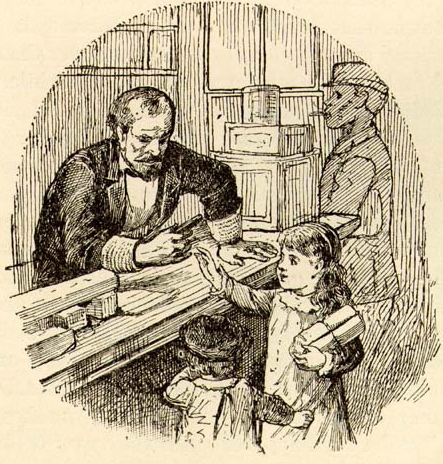
Lagniappe, “a word worth traveling to New Orleans to get”
A lagniappe is “a small gift given to a customer by a merchant at the time of a purchase” (such as a 13th doughnut on purchase of a dozen), or more broadly, “something given or obtained gratuitously or by way of good measure.” It can be used more generally as meaning any extra or unexpected benefit. The word
-
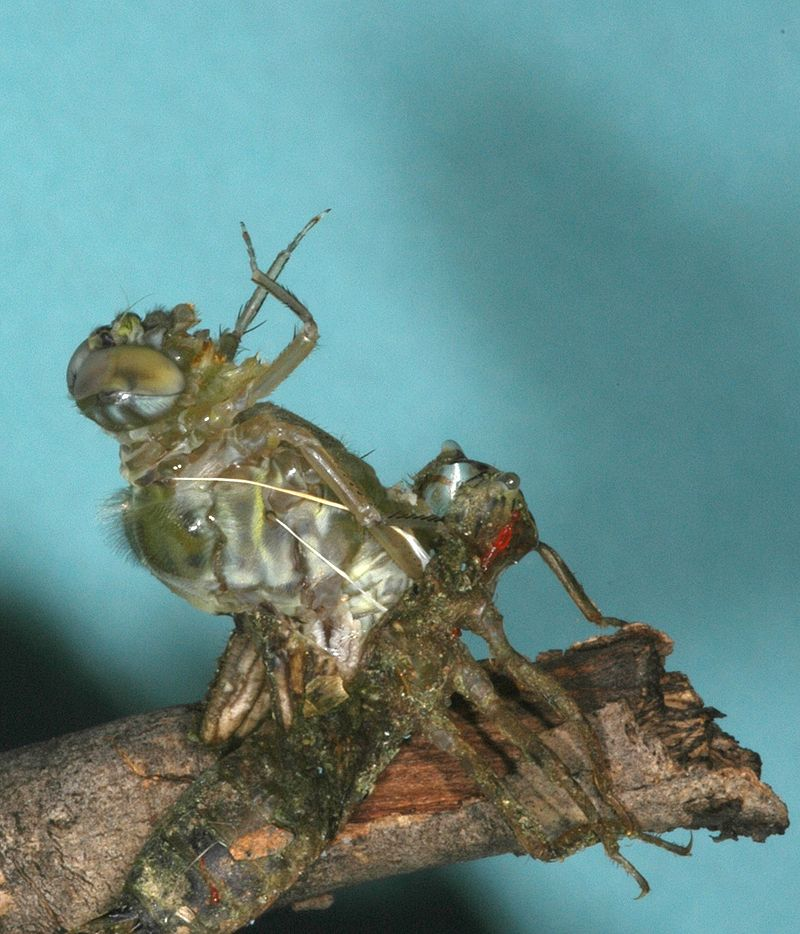
Moulting Was Known as Mewing in Medieval Times
In biology, moulting (British English), or molting (American English), also known as sloughing, shedding, or in many invertebrates, ecdysis, is the manner in which an animal routinely casts off a part of its body (often, but not always, an outer layer or covering), either at specific times of the year, or at specific points in its life cycle. In medieval times it was also
-

Mews derives from the French muer, ‘to moult’
A mews is a row or courtyard of stables and carriage houses with living quarters above them, built behind large city houses before motor vehicles replaced horses in the early twentieth century. Mews are usually located in desirable residential areas, having been built to cater for the horses, coachmen and stable-servants of prosperous residents. The word mews comes from the Royal Mews in London, England,
-

Car of History chariot clock features a life size statue of Clio, the muse of history
A chariot clock is a type of mantel/table figural clock in the form of a chariot whose dial is set into the wheel or elsewhere, its origins date back to the second half of the 16th century southern Germany. Normally of classical mythology subject matter, it has been made in different periods and styles such as Renaissance, Louis XV, Louis XVI, Empire, Napoleon
-
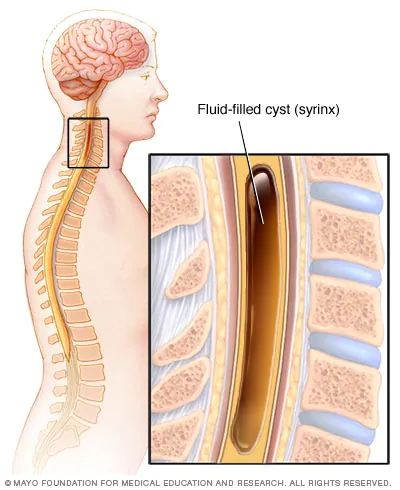
A syrinx is a fluid-filled neuroglial cavity within the spinal cord, in the brain stem, or in the nerves of the elbow
A syrinx is a rare, fluid-filled neuroglial cavity within the spinal cord (syringomyelia), in the brain stem (syringobulbia), or in the nerves of the elbow, usually in a young age. Presentation Symptoms usually begin insidiously between adolescence and age 45. Syringomyelia develops in the center of the spinal cord, causing a central cord syndrome. Pain and temperature sensory deficits occur early but may
-
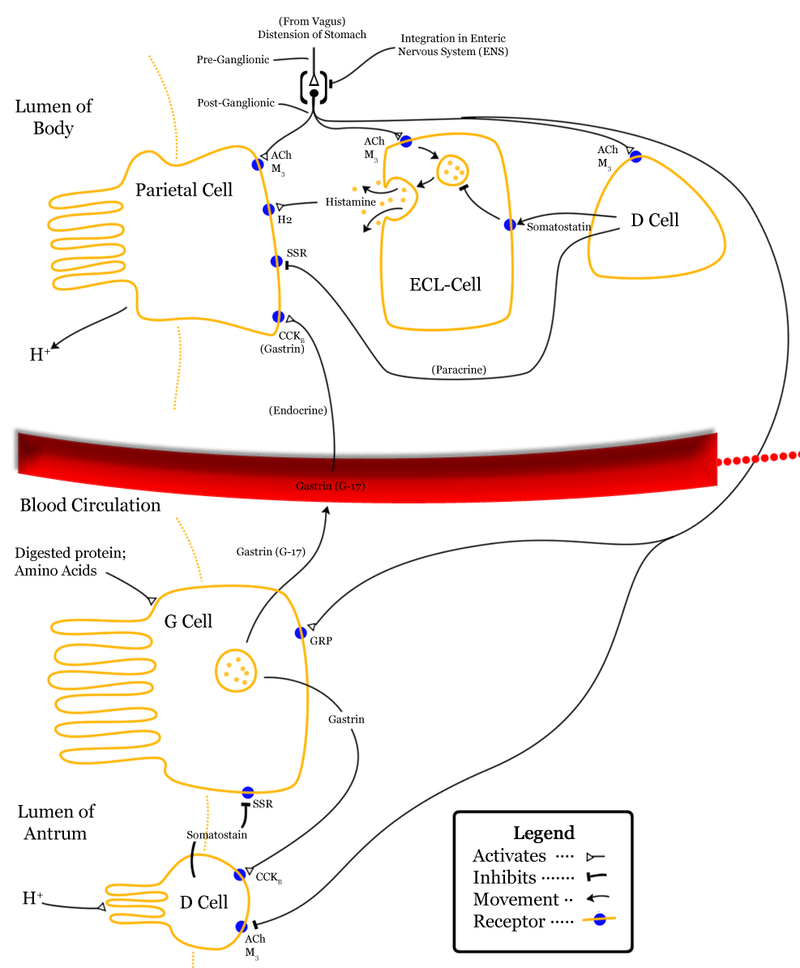
Delta cells (δ-cells or D cells) are somatostatin-producing cells
Delta cells (δ-cells or D cells) can be found in the stomach, intestine and the pancreatic islets. Delta cells comprise ca 5% of the cells in the islets but may interact with many more islet cells than suggested by their low numbers. In rodents, delta-cells are located in the periphery of the islets; in humans the islet architecture is generally less organized and
-
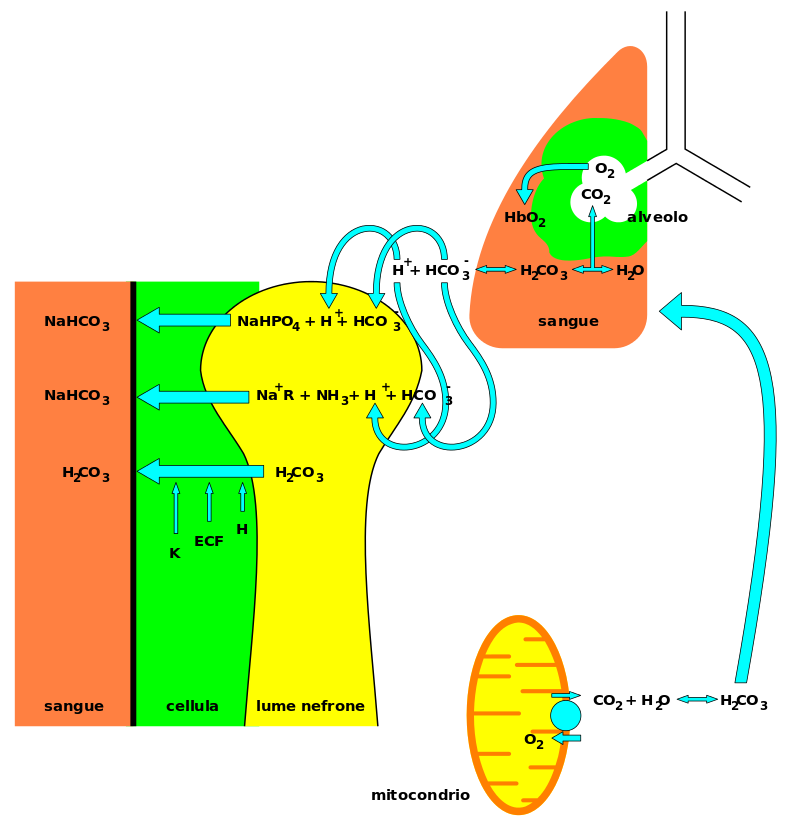
HCO3 (bicarbonate)
In inorganic chemistry, bicarbonate (IUPAC-recommended nomenclature: hydrogencarbonate) is an intermediate form in the deprotonation of carbonic acid. It is a polyatomic anion with the chemical formula HCO3. Bicarbonate serves a crucial biochemical role in the physiological pH buffering system. The term “bicarbonate” was coined in 1814 by the English chemist William Hyde Wollaston. The name lives on as a trivial name. Chemical properties The bicarbonate ion (hydrogencarbonate ion) is an anion with the empirical formula HCO−3 and a molecular
-

Intrinsic factor (IF) and haptocorrin (transcobalamin I) are necessary for the absorption of vitamin B12
Intrinsic factor (IF), cobalamin binding intrinsic factor, also known as gastric intrinsic factor (GIF), is a glycoprotein produced by the parietal cells (in humans) or chief cells (in rodents) of the stomach. It is necessary for the absorption of vitamin B12 later on in the distal ileum of the small intestine. In humans, the gastric intrinsic factor protein is encoded by the CBLIFgene. Haptocorrin (transcobalamin I) is another glycoprotein secreted by the salivary glands which binds
-
Pepsinogens are mainly grouped in 5 different groups based on their primary structure
1. Pepsinogen A (also called pepsinogen I) 2. Pepsinogen B 3. Progastricsin (also called pepsinogen II and pepsinogen C) 4. Prochymosin (also called prorennin) 5. Pepsinogen F (also called pregnancy-associated glycoprotein).
Recent Posts
- Aristocracy is a poisonous weed and the TON clauses are weedkiller (in the unhinged spirit of Justice Scalia)

- Adams and Jefferson on Aristocracy: A Structural Disagreement in the Early Republic
- John Adams — Opinions of Philosophers — Anti‑Caste Constitutional Foundations
- Corporate “persons” are a perfect example of a Titles of Nobility (TON) violation
- TON vs. Global Trends and National Enrollment
Tags
2025 agriculture alchemy anthropology archaeology art biochemistry biography biology chemistry civil rights crystallography culture duplicate ecology economics endocrinology entertainment entomology folklore genetics geology glossary hematology history immunology law linguistics materials science medicine mythology neurology philosophy physiology politics psychology public health religion reproduction science smoker's paradox symbolism systems theory technology toxicology