-

Pepsinogens are mainly grouped in 5 different groups based on their primary structure
1. Pepsinogen A (also called pepsinogen I) 2. Pepsinogen B 3. Progastricsin (also called pepsinogen II and pepsinogen C) 4. Prochymosin (also called prorennin) 5. Pepsinogen F (also called pregnancy-associated glycoprotein).
-
Goblet cells
Goblet cells are simple columnar epithelial cells that secrete gel-forming mucins, like mucin 5AC. The goblet cells mainly use the merocrine method of secretion, secreting vesicles into a duct, but may use apocrine methods, budding off their secretions, when under stress. The term goblet refers to the cell’s goblet-like shape. The apical portion is shaped like a cup, as it is distended by abundant mucus laden granules;
-
Gastric lipase
Gastric lipase, also known as LIPF, is an enzymatic protein that, in humans, is encoded by the LIPF gene. Function Gastric lipase is an acidic lipase secreted by the gastric chief cells in the fundic mucosa in the stomach. It has a pH optimum of 3–6. Gastric lipase, together with lingual lipase, comprise the two acidic lipases. These lipases, unlike alkaline lipases (such as pancreatic lipase), do not require bile acid or colipase for
-
In Classical Greek Mythology, Syrinx Was a Nymph and a Follower of Artemis
Syrinx was a beautiful wood nymph who had many times attracted the attention of satyrs, and fled their advances in turn. She worshipped Artemis, the goddess of wilderness, and had like her vowed to remain a virgin for all time. Pursued by the amorous god Pan, she ran to a river’s edge and asked for assistance from
-
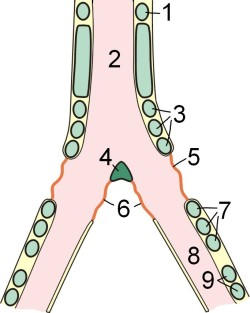
The syrinx (from the Greek word for pan pipes) is the vocal organ of birds
The syrinx (from the Greek word “σύριγξ” for pan pipes) is the vocal organ of birds. Located at the base of a bird’s trachea, it produces sounds without the vocal folds of mammals. The sound is produced by vibrations of some or all of the membrana tympaniformis (the walls of the syrinx) and the pessulus, caused by air flowing through the syrinx. This sets up a self-oscillating system that modulates
-
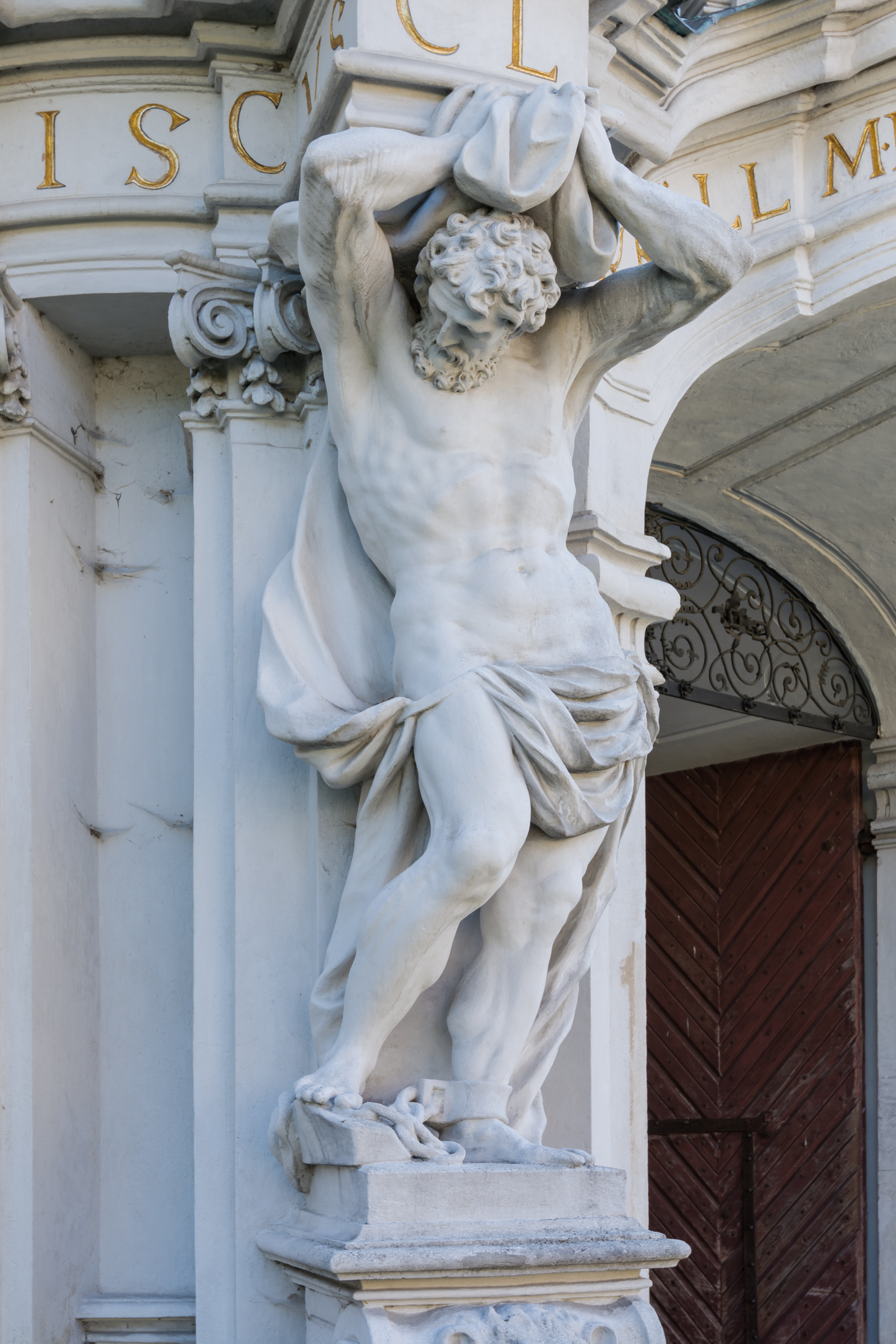
Atlantes (architecture)
In European architectural sculpture, an atlas (also known as an atlant, or atlante or atlantid; plural atlantes) is a support sculpted in the form of a man, which may take the place of a column, a pier or a pilaster. The Roman term for such a sculptural support is telamon (plural telamones or telamons). The term atlantes is the Greek plural of the name Atlas—the Titan who was forced to hold the sky on his
-
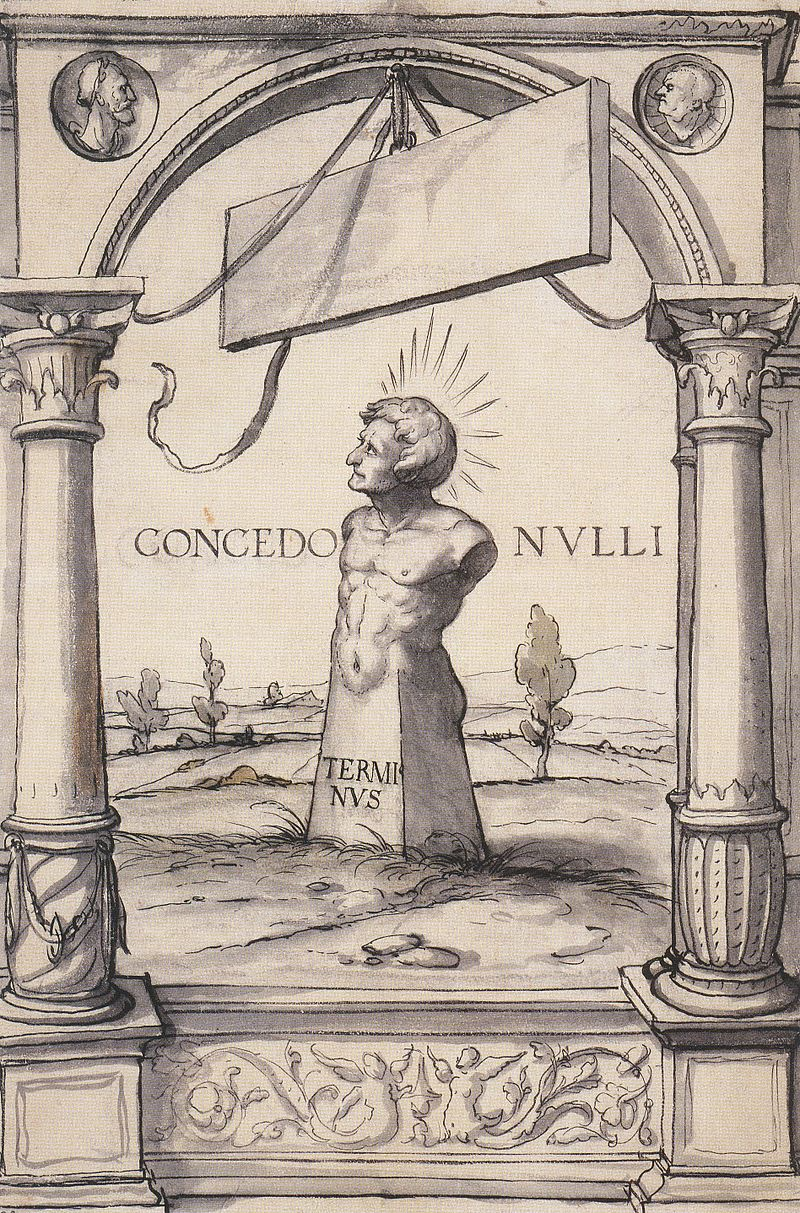
Terminus (Roman god)
In Roman religion, Terminus was the god who protected boundary markers; his name was the Latin word for such a marker. Sacrifices were performed to sanctify each boundary stone, and landowners celebrated a festival called the “Terminalia” in Terminus’ honor each year on February 23. The Temple of Jupiter Optimus Maximus on the Capitoline Hill was thought to have been built over a shrine to Terminus, and
-
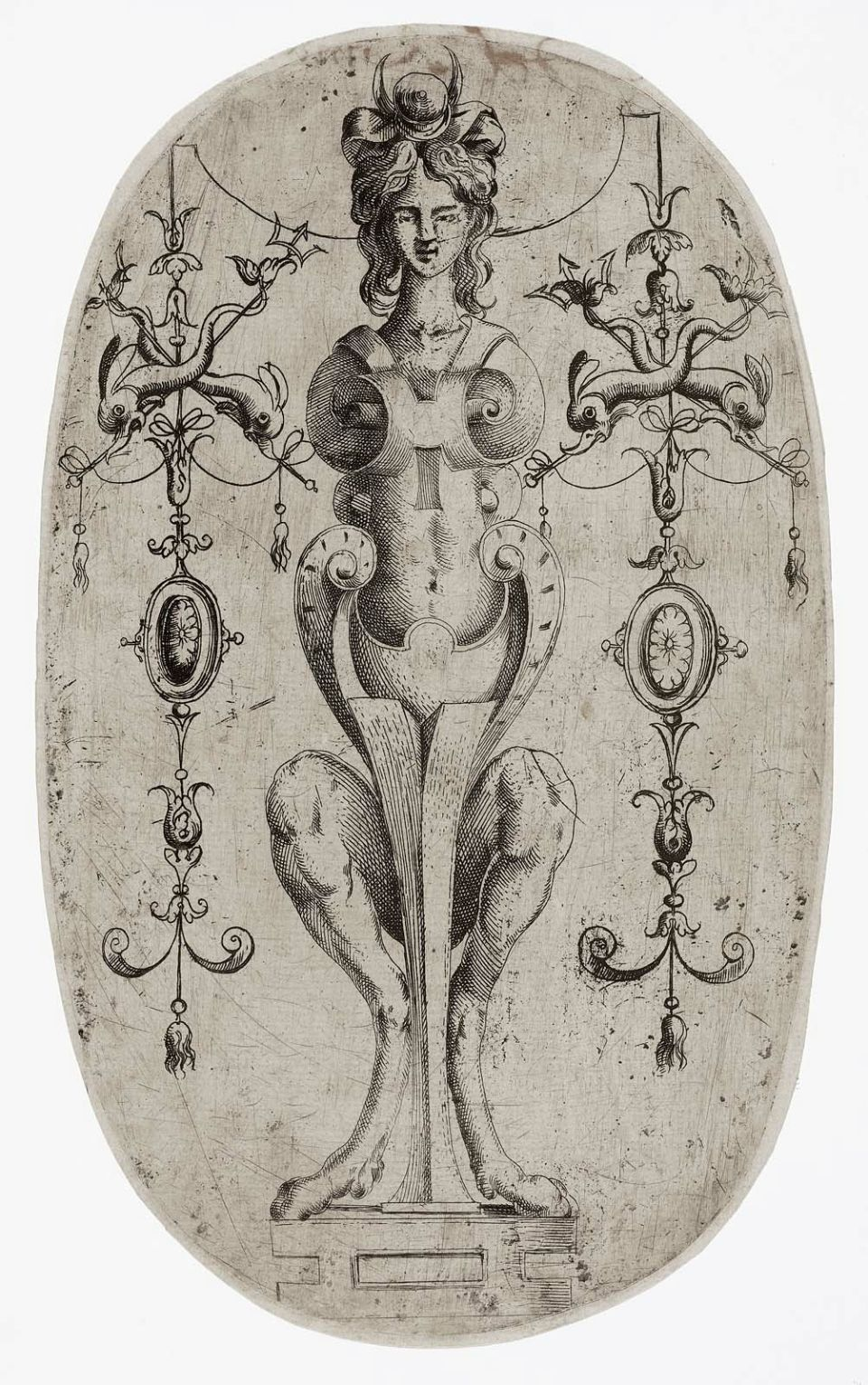
Terms, not to be confused with Herms…sometimes (architecture)
In Classical architecture and in art a term or terminal figure (plural: terms or termini) is a human head and bust that continues down as a square tapering pillar-like form. It is usually distinguished from a herm, which has a head and shoulders only, but the two words may be used rather loosely and interchangeably. The god Terminus was the Etruscan and Roman deity of boundaries, and classical
-
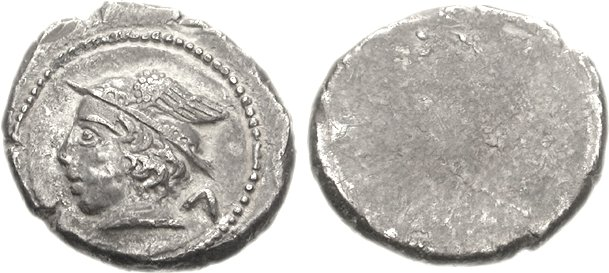
Turms, Etruscan equivalent of Mercury and Hermes
In Etruscan religion, Turms (usually written as 𐌕𐌖𐌓𐌌𐌑 Turmś in the Etruscan alphabet) was the equivalent of Roman Mercury and Greek Hermes, both gods of trade and the messenger god between people and gods. He was depicted with the same distinctive attributes as Hermes and Mercury: a caduceus, a petasos (often winged), and/or winged sandals. He is portrayed as a messenger of the gods, particularly Tinia (Jupiter), although he is also thought
-
herm. and Herm.
herm. is a botanical/zoological abbreviation for hermaphrodite, a sexually reproducing organism that produces both male and female gametes. Herm. following the name of a Christian saint denotes that the saint was a hermit
Recent Posts
- TON makes ERA redundant because it forbids legal caste creation at the root
- Aristocracy is a poisonous weed and the TON clauses are weedkiller (in the unhinged spirit of Justice Scalia)

- Adams and Jefferson on Aristocracy: A Structural Disagreement in the Early Republic
- John Adams — Opinions of Philosophers — Anti‑Caste Constitutional Foundations
- Corporate “persons” are a perfect example of a Titles of Nobility (TON) violation
Tags
2025 agriculture alchemy anthropology archaeology art biochemistry biography biology chemistry civil rights crystallography culture duplicate ecology economics endocrinology entertainment entomology folklore genetics geology glossary hematology history immunology law linguistics materials science medicine mythology neurology philosophy physiology politics psychology public health religion reproduction science smoker's paradox symbolism systems theory technology toxicology