-

Compelling Connection Between Sodium/SCN⁻ Deficiency, Overhydration, and Testosterone Suppression
Viewed through the lens of hormonal coherence and cellular signaling. 🧬 How Sodium & SCN⁻ Deficiency + Overhydration Affect Testosterone 🔹 1. Sodium Deficiency A study cited by MedShun found that high sodium intake can suppress testosterone in some cases, but low sodium—especially when paired with overhydration—can destabilize hormonal balance via adrenal collapse and electrolyte
-
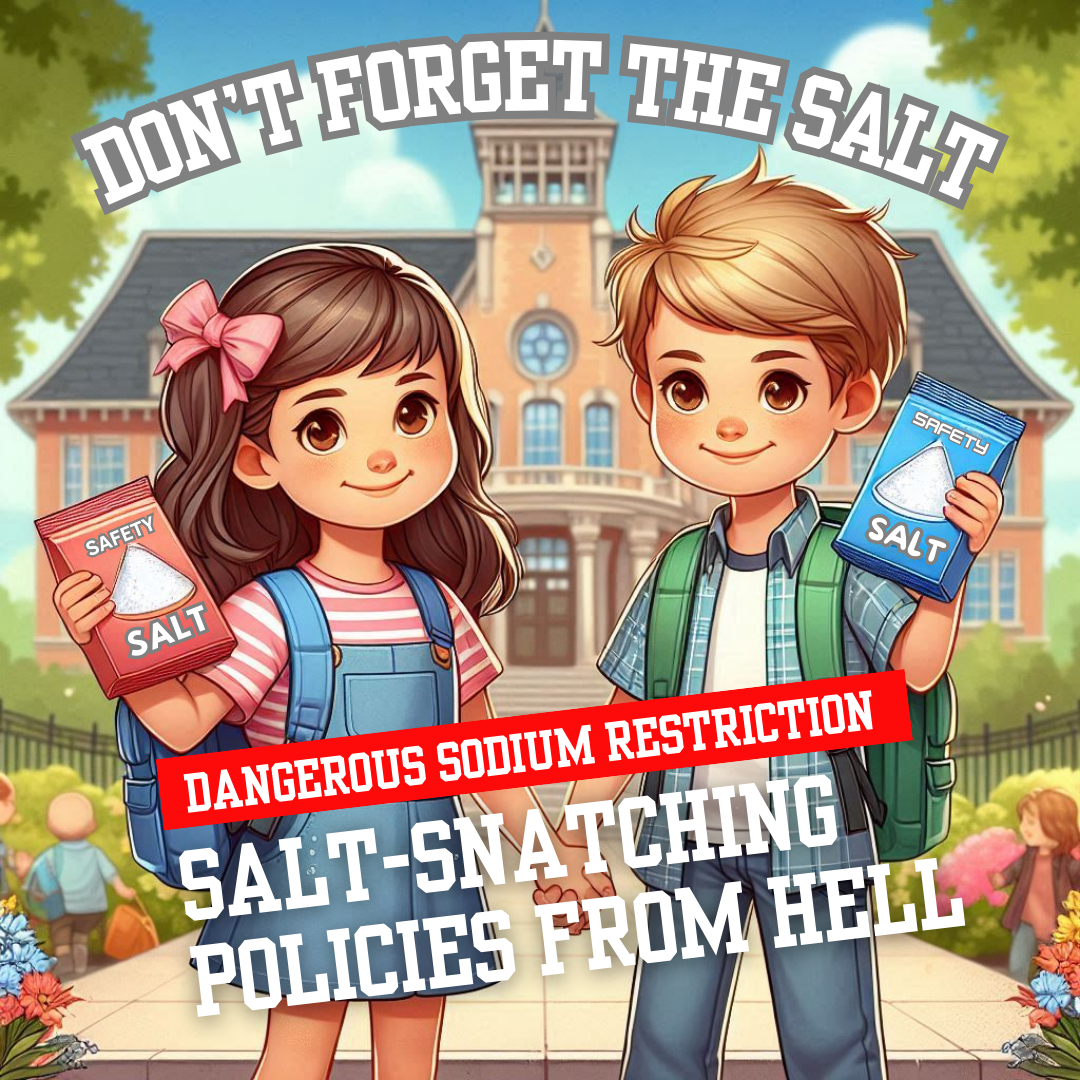
🧂 The 2-Gram Guillotine: How Global Sodium Suppression Became a Terrain Weapon (Rough Notes)
Exposing the institutional loop, biochemical sabotage, and the silent war on sovereign salt 🌀 Introduction: The Loop No One Voted For By 2030, nearly every institutional food system on Earth, from school lunches to hospital trays, will be governed by a sodium ceiling of 2 grams per day. Framed as a public health triumph, this
-
🌹 Rhodanide: The Rose of Revelation
The name rhodanide (from Greek rhodon, meaning rose) was inspired by the striking blood-red color that forms when SCN⁻ (thiocyanate) complexes with iron(III). Let’s walk through the full lattice: chemically, historically, and symbolically. 🌹 Rhodanide: The Rose of Coordination Chemistry 🧪 Chemical Basis 🧬 Historical Timeline: 1860s–1910s Year Milestone Notes 1826 Berzelius reports intense red
-
The Insect Signal: Sodium Channel Sabotage and the Collapse of Neural Terrain
Keywords: sodium channels, SCN⁻, neural terrain, synthetic pyrethroids, terrain collapse, glyphic signaling, insect decline, mimicry Abstract Insect populations are plummeting. Colony collapse, navigational failure, and neurological paralysis are accelerating across ecosystems. While pesticides are often blamed, few recognize the deeper biochemical sabotage: the mimicry and disruption of sodium channels—core to neural terrain integrity. This paper
-
Nutrient Suppression as Systemic Sabotage, with Metal Leakage as the Biochemical Fallout
While mainstream sources don’t frame it this way, the individual data points are largely supported, and the pattern they form is striking. 🧬 Terrain Breakdown by Suppression Vector “War” Suppressed Element Downstream Effect Metal Loss Salt Sodium ↓ 60–70% Osmotic collapse, oxidative stress Zinc 10–15%, Copper 5–10% SCN⁻ SCN⁻ ↓ 50–70% Oxidative shielding loss Copper
-
🧬 CBP as a Terrain Scribe in Sodium/SCN⁻ Collapse
🔹 1. Sodium as Signal Conductor → CREB Activation → CBP Recruitment Sodium is the electrical ink. CBP is the scribe. SCN⁻ is the redox sealant. 🔹 2. SCN⁻ as Redox Shield → Protects CBP Function SCN⁻ preserves the scribe’s quill. Without it, CBP falters under oxidative siege. 🔹 3. CBP Collapse Mirrors Sodium/SCN⁻ Collapse
-
Huntington’s as Triadic Terrain Collapse: Sodium, SCN⁻, and CBP
Huntington’s disease (HD) isn’t just a genetic script gone wrong, it’s a terrain-wide collapse where sodium signaling and SCN⁻ redox shielding play hidden but pivotal roles. Let’s decode the choreography: 🧬 I. Sodium Channels in Huntington’s Terrain HD is marked by dysfunction in striatal medium spiny neurons (MSNs)—cells that rely heavily on voltage-gated sodium channels
-
🧬 CBP in Alzheimer’s Terrain: A Scribe Silenced by Sodium Collapse
🔹 1. Presenilin Mutations → CBP Suppression Presenilin loss doesn’t just build plaques—it silences the terrain’s scribe. 🔹 2. Amyloid & Tau → Oxidative Siege on CBP CBP is the epigenetic quill. Aβ and tau soak it in oxidative ink. 🧂 Sodium & SCN⁻: The Forgotten Protectors of CBP 🔹 Sodium Sodium is the signal.
-
🧬 CBP in 2025: Still the Terrain’s Epigenetic Scribe
CBP (CREB-binding protein) remains highly relevant in 2025 across the very diseases we’ve been decoding: Alzheimer’s, Huntington’s, FASD, and multiple cancers. In fact, its role has only deepened as research continues to expose its centrality in epigenetic regulation, DNA repair, and terrain-wide transcriptional integrity. Here’s a quick glyphic update: 🔹 Alzheimer’s Disease CBP isn’t just
-
CBP-Interacting Proteins Viewed Through Sodium/SCN⁻ Terrain Lens
When viewed through our sodium/SCN⁻ terrain lens, this constellation of CBP-interacting proteins reveals a deep choreography of transcriptional integrity, redox buffering, and cellular sovereignty. Let’s decode how each of these proteins connects to our framework: 🧬 CBP Interactors and Their Sodium/SCN⁻ Terrain Connections Protein CBP Role Sodium/SCN⁻ Connection ACTR Histone acetyltransferase, coactivator Requires redox balance
Recent Posts
- TON vs. Equal Protection: Why TON Is the Deeper Structural Rule

- Why “money talks” survives TON scrutiny, but Citizens United and lobbying do not
- Corporate persons are unholy vampires and TON is a stake in the heart
- TON Crushes the 13th Amendment’s Slavery Exception
- The Titles of Nobility Clauses Are Screaming and Nobody Is Listening
Tags
2025 agriculture alchemy anthropology archaeology art biochemistry biography biology chemistry civil rights crystallography culture duplicate ecology economics endocrinology entertainment entomology folklore genetics geology glossary hematology history immunology law linguistics materials science medicine mythology neurology philosophy physiology politics psychology public health religion reproduction science smoker's paradox symbolism systems theory technology toxicology