-

Hugo Schwyzer aka ‘Porn Professor’
Hugo Benedict Schwyzer (born 1967) is an American author, speaker and former instructor of history and gender studies. Family background Hugo Schwyzer was born in Santa Barbara, California, to Hubert (1935–2006) and Alison Schwyzer, both of whom were professors of philosophy: Hubert taught at the University of California, Santa Barbara; Alison at Monterey Peninsula College. His younger brother, Philip, also pursued an
-

The Silent Sentinels aka the Sentinels of Liberty
The Silent Sentinels, also known as the Sentinels of Liberty, were a group of over 2,000 women in favor of women’s suffrage organized by Alice Paul and the National Woman’s Party, who protested in front of the White House during Woodrow Wilson‘s presidency starting on January 10, 1917. Nearly 500 were arrested, and 168 served jail time. They were the first group to picket the White House. Later, they
-
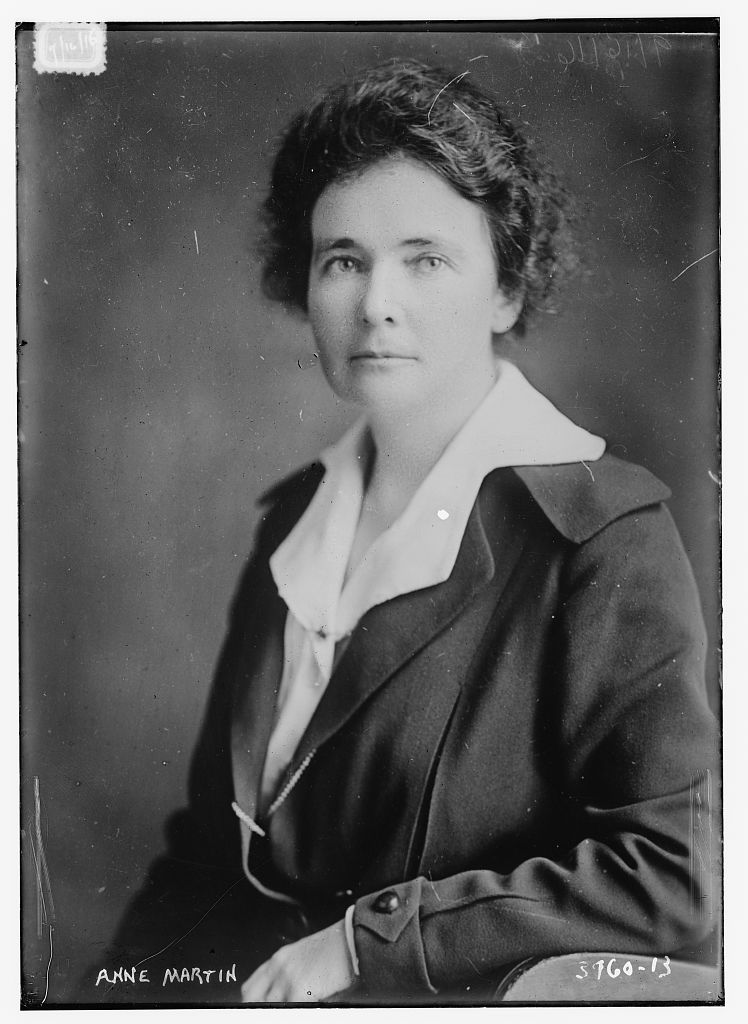
Anne Henrietta Martin (1875 – 1951) was the first woman to run for the United States Senate
Anne Henrietta Martin (September 30, 1875 – April 15, 1951) (pseudonym, Anne O’Hara; nickname, Little Governor Anne) was a suffragist, pacifist, and author from the state of Nevada. Her main achievement was taking charge of the state legislation that gave women of Nevada the right to vote. She was the first head of the department of history of the University of Nevada (1897–1901) And
-
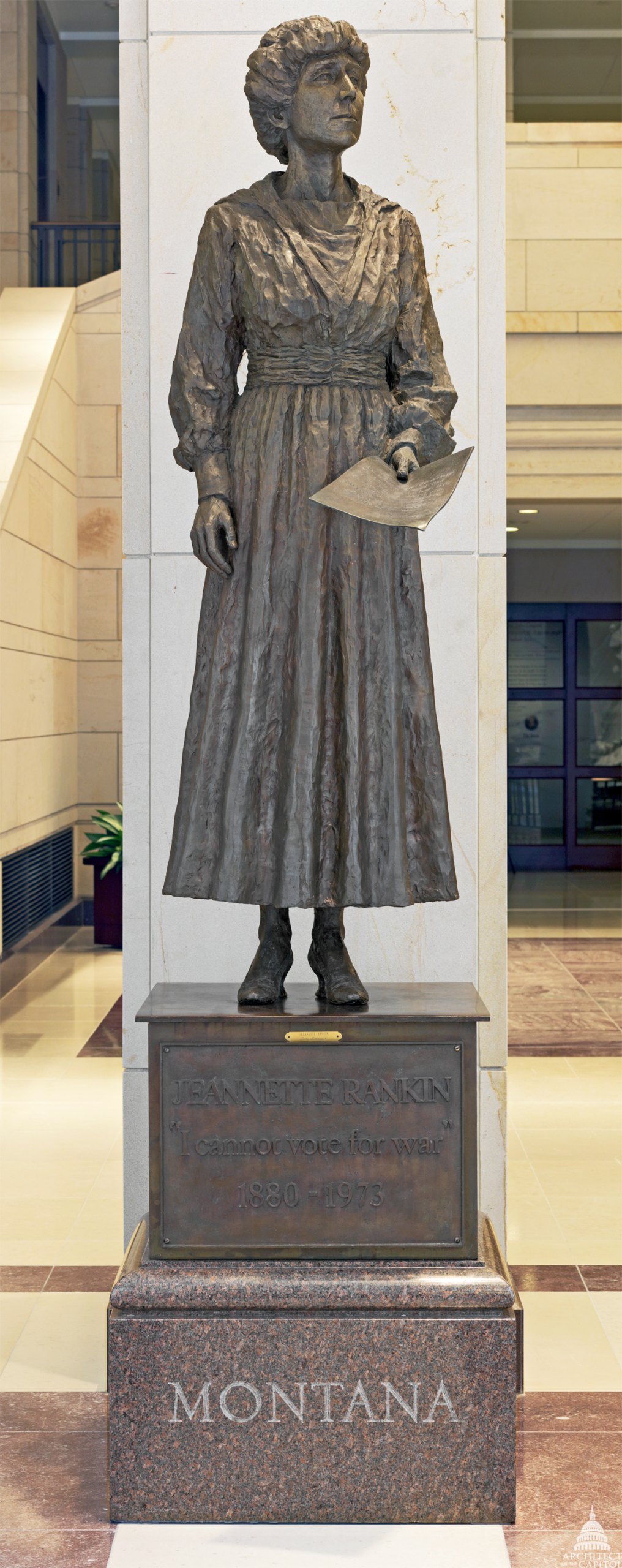
Jeannette Pickering Rankin (1880 – 1973) wanted to be remembered as the only woman who ever voted to give women the right to vote
Jeannette Pickering Rankin (June 11, 1880 – May 18, 1973) was an American politician and women’s rights advocate who became the first woman to hold federal office in the United States in 1917. She was elected to the U.S. House of Representatives as a Republican from Montana in 1916; she served one term until she was elected again in 1940. As of 2022, Rankin is still
-
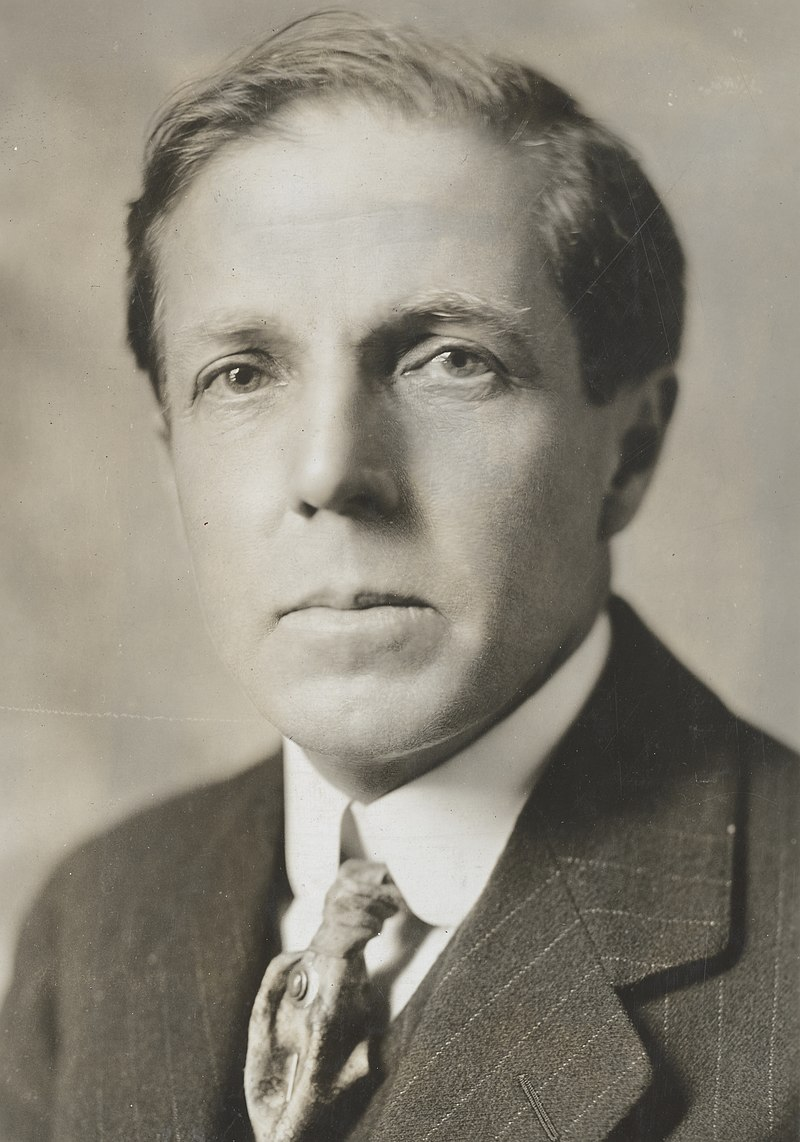
Vernon Kellogg, American Entomologist (Bug Guy) Wiki
Vernon Lyman Kellogg was an American entomologist, evolutionary biologist, and science administrator. He established the Department of Zoology at Stanford University in 1894, and served as the first permanent secretary of the National Research Council in Washington, DC. Early life and influences His father was Lyman Beecher Kellogg, first president of the Kansas State Normal School (now known as Emporia State University), and former Kansas Attorney
-
PPARGC1A is also known as human accelerated region 20 (HAR20) and may have played a key role in differentiating humans from apes
Peroxisome proliferator-activated receptor gamma coactivator 1-alpha (PGC-1α) is a protein that in humans is encoded by the PPARGC1A gene. PPARGC1A is also known as human accelerated region 20 (HAR20). It may, therefore, have played a key role in differentiating humans from apes. PGC-1α is the master regulator of mitochondrial biogenesis. PGC-1α is also the primary regulator of liver gluconeogenesis, inducing increased gene expression for gluconeogenesis. Function PGC-1α is a super
-
Bile acid receptor (BAR) aka farnesoid X receptor (FXR) or NR1H4
The bile acid receptor (BAR), also known as farnesoid X receptor (FXR) or NR1H4 (nuclear receptor subfamily 1, group H, member 4), is a nuclear receptor that is encoded by the NR1H4 gene in humans. Function FXR is expressed at high levels in the liver and intestine. Chenodeoxycholic acid and other bile acids are natural ligands for FXR. Similar to other nuclear receptors, when activated, FXR translocates to the cell nucleus, forms
-
20-Hydroxyecdysone, Ecdysteroid Hormone Controls Ecdysis (Moulting) and Metamorphosis of Arthropods
20-Hydroxyecdysone (ecdysterone or 20E) is a naturally occurring ecdysteroid hormone which controls the ecdysis (moulting) and metamorphosis of arthropods. It is therefore one of the most common moulting hormones in insects, crabs, etc. It is also a phytoecdysteroid produced by various plants, including Cyanotis vaga, Ajuga turkestanica and Rhaponticum carthamoides where its purpose is presumably to disrupt the development and reproduction of insect pests. In arthropods, 20-hydroxyecdysone acts through the ecdysone receptor. Although mammals lack this receptor, 20-hydroxyecdysone may
-
Bursicon
Bursicon (from the Greek bursikos, pertaining to tanning) is an insect hormone which mediates tanning in the cuticle of adult flies. Structure The molecular structure of the hormone has been characterized rather recently. Bursicon is a 30 kDa neurohormone heterodimeric protein which is encoded by CG13419 gene and made of two cysteine knot subunits, Burs-α and Burs-β. It is nondialyzable and loses its activity in alcohol, acetone, some proteases and trichloroacetate, renaturates after adding ammonium sulfate.
-
Prothoracicotropic Hormone (PTTH) Formerly Known As “Brain Hormone”
Prothoracicotropic hormone (PTTH) was the first insect hormone to be discovered. The chemical symbol for prothoracicotropic hormone is (C64H102N16O19S2). It was originally described simply as “brain hormone” by early workers such as Stefan Kopeć (1922) and Vincent Wigglesworth (1934), who realized that ligation of the head of immature insects could prevent molting or pupation of the body region excluded from the head if the ligation was performed before a critical
Recent Posts
- 🛡️ 50 Corporate TON Violations (and there are many more)

- TON makes ERA redundant because it forbids legal caste creation at the root
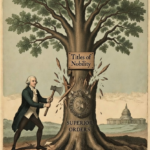
- Aristocracy is a poisonous weed and the TON clauses are weedkiller (in the unhinged spirit of Justice Scalia)
- Adams and Jefferson on Aristocracy: A Structural Disagreement in the Early Republic
- John Adams — Opinions of Philosophers — Anti‑Caste Constitutional Foundations
Tags
2025 agriculture alchemy anthropology archaeology art biochemistry biography biology chemistry civil rights crystallography culture duplicate ecology economics endocrinology entertainment entomology folklore genetics geology glossary hematology history immunology law linguistics materials science medicine mythology neurology philosophy physiology politics psychology public health religion reproduction science smoker's paradox symbolism systems theory technology toxicology