-
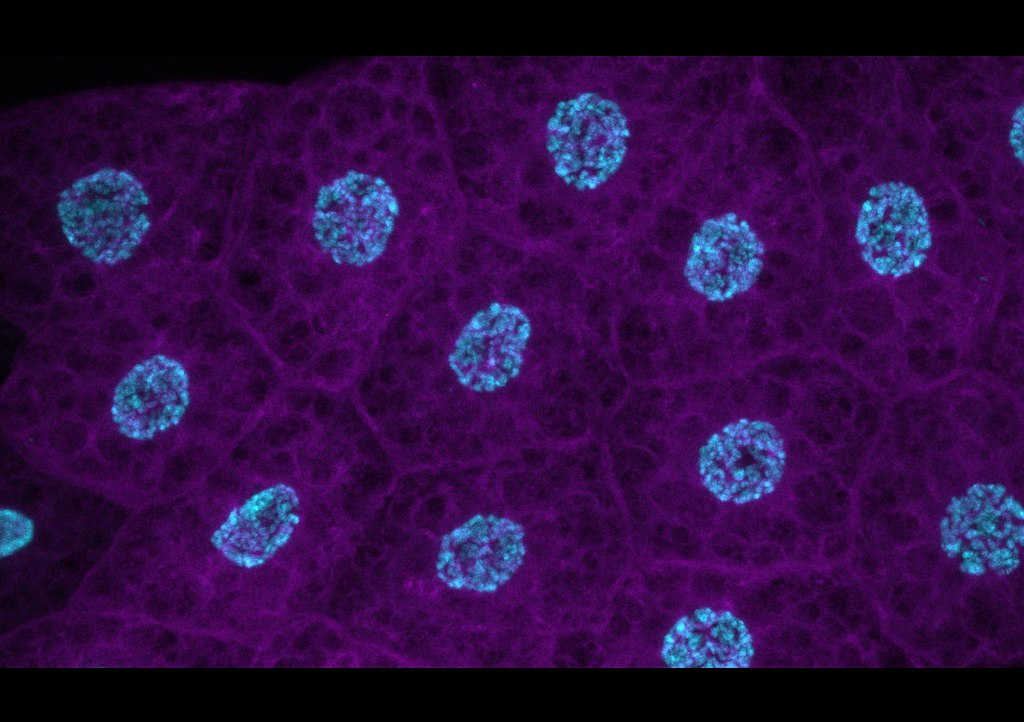
Fat Body Wiki
Fat body is a highly dynamic insect tissue composed primarily of storage cells. It is distributed throughout the insect’s internal body cavity; the haemocoel, in close proximity to the epidermis, digestive organs and ovaries. Its main functions are nutrient storage and metabolism, for which it is commonly compared to a combination of adipose tissue and liver in mammals. However, it may also serve a variety of other roles, such as:
-

Phytoecdysteroids, Plant-Derived Ecdysteroids Wiki
Phytoecdysteroids are plant-derived ecdysteroids. Phytoecdysteroids are a class of chemicals that plants synthesize for defense against phytophagous (plant eating) insects. These compounds are mimics of hormones used by arthropods in the molting process known as ecdysis. When insects eat the plants with these chemicals they may prematurely molt, lose weight, or suffer other metabolic damage and die. Chemically,
-
Halloween Genes Wiki
The halloween genes are a set of genes identified in Drosophila melanogaster that influence embryonic development. All of the genes code for cytochrome P450 enzymes in the ecdysteroidogenic pathway (biosynthesis of ecdysone from cholesterol). Ecdysteroids such as 20-hydroxyecdysone and ecdysone influence many of the morphological, physiological, biochemical changes that occur during molting in insects. Steroid hormones control many aspects of reproduction, development, and homeostasis in higher organisms. In arthropods, steroid hormones play equal or even more
-
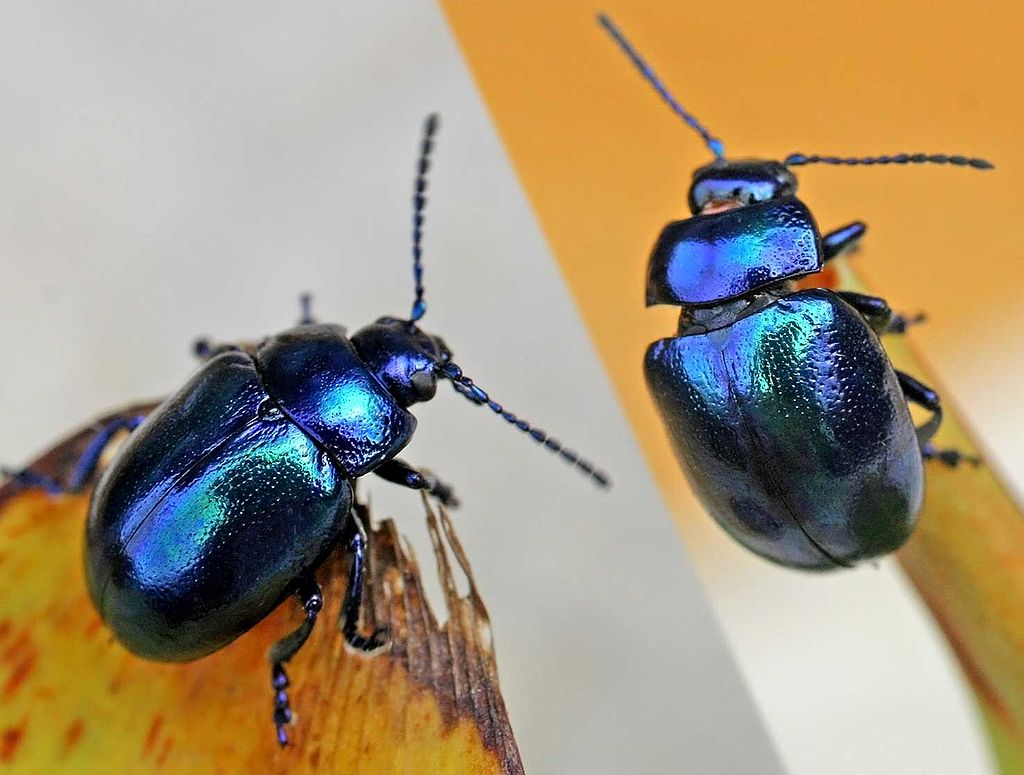
Chrysolina Beetles Have Cardiac Glycosides (Including Xylose) in Their Defensive Glands
The defensive secretions of some chrysomelid beetles belonging to the genera Chrysolina, Chrysochloa, and Dlochrysa contain complex mixtures of cardenolides. The spectral data for some of these compounds suggest that they are monohydroxylated digitoxigenin derivatives linked to a pentose (such as xylose or arabinose). Evidence indicates that the beetles do not sequester these steroid glycosides
-
Xylose is the first saccharide added to the serine or threonine in the proteoglycan type O-glycosylation
Xylose is the first saccharide added to the serine or threonine in the proteoglycan type O-glycosylation, and, so, it is the first saccharide in biosynthetic pathways of most anionic polysaccharides such as heparan sulfate and chondroitin sulfate. Definitions Proteoglycans are proteins that are heavily glycosylated. The basic proteoglycan unit consists of a “core protein” with one or more covalently attached glycosaminoglycan (GAG) chain(s). The point of attachment is a serine (Ser) residue to which the glycosaminoglycan is joined through
-
Xylose is the main building block for the hemicellulose
Xylose is the main building block for the hemicellulose xylan, which comprises about 30% of some plants (birch for example), far less in others (spruce and pine have about 9% xylan). Xylose is otherwise pervasive, being found in the embryos of most edible plants. It was first isolated from wood by Finnish scientist, Koch, in 1881, but first became
-
Reduction of xylose by catalytic hydrogenation produces the sugar substitute xylitol
Xylose (cf. Ancient Greek: ξύλον, xylon, “wood”) is a sugar first isolated from wood, and named for it. Xylose is classified as a monosaccharide of the aldopentose type, which means that it contains five carbon atoms and includes an aldehyde functional group. It is derived from hemicellulose, one of the main constituents of biomass. Like most sugars, it can adopt several structures depending on conditions. With its free aldehyde group,
-
Found this looking up the quaalude-associated anthranilic acid formerly known as vitamin L1
From the 5′-Methylthioadenosine Wikipedia page: Hecht found in 1937 that the body temperature of rabbits, cats and guinea pigs were lowered by 1 to 2 degrees after he gave them adenylthiomethylpentose at a dose of 0.2 g/kg. Kühn et al. replicated this in guinea pigs in 1941. That’s a little cryptic even for Wikipedia. The source article…or part of it.
-

Xylitol: Sweetener and Laxative from Hell
Xylitol, a natural sugar alcohol, has gained popularity as a low-calorie sweetener and the peddlers have attributed numerous health benefits to their product. This post is going to focus on one that doesn’t get nearly enough attention except in the countries where it was banned in things like soft drinks and elsewhere requires a diarrhea
-
Xylitol production by fermentation from discarded biomass is one of the most valuable renewable chemicals
Xylitol occurs naturally in small amounts in plums, strawberries, cauliflower, and pumpkin; humans and many other animals make trace amounts during metabolism of carbohydrates. Unlike most sugar alcohols, xylitol is achiral. Most other isomers of pentane-1,2,3,4,5-pentol are chiral, but xylitol has a plane of symmetry. Industrial production starts with lignocellulosic biomass from which xylan is extracted; raw biomass materials include hardwoods, softwoods, and agricultural waste from processing
Recent Posts
- 🛡️ 50 Corporate TON Violations (and there are many more)

- TON makes ERA redundant because it forbids legal caste creation at the root

- Aristocracy is a poisonous weed and the TON clauses are weedkiller (in the unhinged spirit of Justice Scalia)
- Adams and Jefferson on Aristocracy: A Structural Disagreement in the Early Republic
- John Adams — Opinions of Philosophers — Anti‑Caste Constitutional Foundations
Tags
2025 agriculture alchemy anthropology archaeology art biochemistry biography biology chemistry civil rights crystallography culture duplicate ecology economics endocrinology entertainment entomology folklore genetics geology glossary hematology history immunology law linguistics materials science medicine mythology neurology philosophy physiology politics psychology public health religion reproduction science smoker's paradox symbolism systems theory technology toxicology