-

Xylitol production by fermentation from discarded biomass is one of the most valuable renewable chemicals
Xylitol occurs naturally in small amounts in plums, strawberries, cauliflower, and pumpkin; humans and many other animals make trace amounts during metabolism of carbohydrates. Unlike most sugar alcohols, xylitol is achiral. Most other isomers of pentane-1,2,3,4,5-pentol are chiral, but xylitol has a plane of symmetry. Industrial production starts with lignocellulosic biomass from which xylan is extracted; raw biomass materials include hardwoods, softwoods, and agricultural waste from processing
-
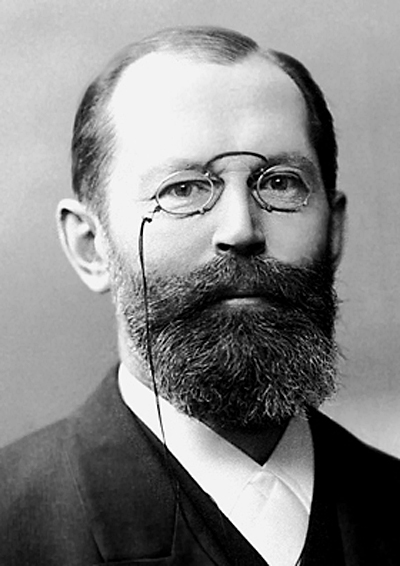
History of xylitol
Emil Fischer, a German chemistry professor, and his assistant Rudolf Stahel isolated a new compound from beech wood chips in September 1890 and named it Xylit, the German word for xylitol. The following year, the French chemist M.G. Bertrand isolated xylitol syrup by processing wheat and oat straw. Sugar rationing during World War II led to an interest in sugar substitutes.
-
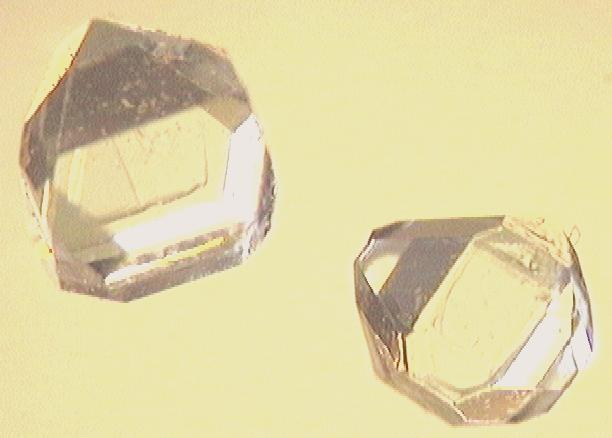
Xylitol
Xylitol is a chemical compound with the formula C5H12O5, or HO(CH2)(CHOH)3(CH2)OH; specifically, one particular stereoisomer with that structural formula. It is a colorless or white crystalline solid that is freely soluble in water. It can be classified as a polyalcohol and a sugar alcohol, specifically an alditol. The name derives from Ancient Greek: ξύλον, xyl[on] ‘wood’, with the suffix -itol used to denote sugar alcohols. Xylitol is used as a food additive and sugar substitute. Its European
-
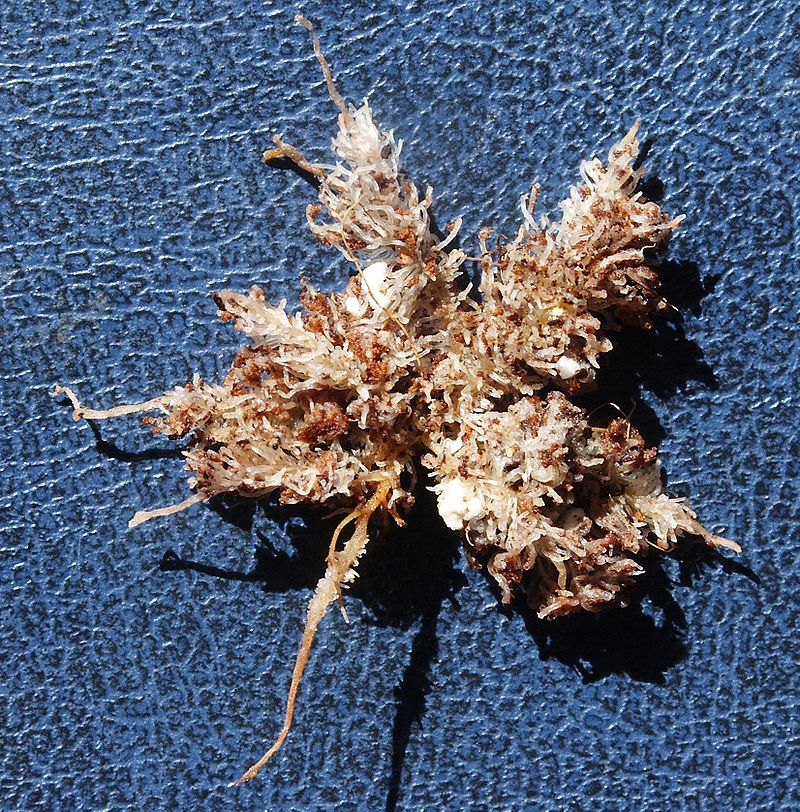
Cluster roots aka proteoid roots
Cluster roots, also known as proteoid roots, are plant roots that form clusters of closely spaced short lateral rootlets. They may form a two- to five-centimetre-thick mat just beneath the leaf litter. They enhance nutrient uptake, possibly by chemically modifying the soil environment to improve nutrient solubilisation. As a result, plants with proteoid roots can grow in soil that is
-
Brilliant Black PN
Brilliant Black BN, Brilliant Black PN, Brilliant Black A, Black PN, Food Black 1, Naphthol Black, C.I. Food Black 1, or C.I. 28440, is a synthetic black diazo dye. It is soluble in water. It usually comes as tetrasodium salt. It has the appearance of solid, fine powder or granules. Calcium and potassium salts are allowed as well. When used as a food dye,
-
The Food Chemicals Codex (FCC) has been published since 1966
Scope The FCC features more than 1,250 monographs, including food-grade chemicals, processing aids, foods (such as vegetable oils, fructose, whey, and amino acids), flavoring agents, vitamins, and functional food ingredients (such as lycopene, olestra, and short chain fructooligosaccharides). The FCC also contains ingredients, such as sucrose and essential oils, that are not frequently found in other food additive standards resources. The FCC provides essential criteria and analytical methods to authenticate
-
The Codex Alimentarius (International Food Code)
The Codex Alimentarius (Latin for ‘Food Code’) is a collection of internationally recognized standards, codes of practice, guidelines, and other recommendations published by the Food and Agriculture Organization of the United Nations relating to food, food production, food labeling, and food safety. History and governance Its name is derived from the Codex Alimentarius Austriacus. Its texts are developed and maintained by the Codex Alimentarius Commission (CAC), a
-
The Devil’s Cocktail: A Tale of Glass, Flint, and Royal Curiosity
Picture this: It’s the 1740s, and the Royal Society – that illustrious club of powdered wigs and curious minds – is all abuzz about a devilish little contraption from Bologna, Italy. These aren’t your grandma’s pickle jars, oh no! These are Bologna bottles, also known as Bologna phials or philosophical vials, and they’re about to
-
Interactions between Paracetamol and Formaldehyde: Theoretical Investigation and Topological Analysis (Abstract and References)
In this work, noncovalent interactions including hydrogen bonds, C···C, N···O, and van der Waals forces between paracetamol and formaldehyde were investigated using the second-order perturbation theory MP2 in conjunction with the correlation consistent basis sets (aug-cc-pVDZ and aug-cc-pVTZ). Two molecular conformations of paracetamol were considered. Seven equilibrium geometries of dimers were found from the result
-
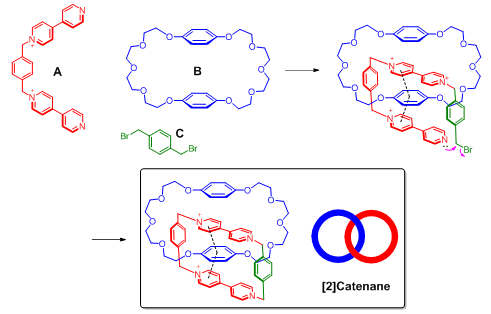
In supramolecular assembly
π systems are important building blocks in supramolecular assembly because of their versatile noncovalent interactions with various functional groups. A notable example of applying π–π interactions in supramolecular assembly is the synthesis of catenane. The major challenge for the synthesis of catenane is to interlock molecules in a controlled fashion. Stoddart and co-workers developed a series of systems
Recent Posts
- The Titles of Nobility Clauses Are Screaming and Nobody Is Listening

- 🛡️ 50 Corporate TON Violations (and there are many more)
- TON makes ERA redundant because it forbids legal caste creation at the root
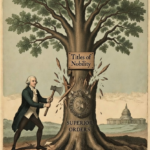
- Aristocracy is a poisonous weed and the TON clauses are weedkiller (in the unhinged spirit of Justice Scalia)
- Adams and Jefferson on Aristocracy: A Structural Disagreement in the Early Republic
Tags
2025 agriculture alchemy anthropology archaeology art biochemistry biography biology chemistry civil rights crystallography culture duplicate ecology economics endocrinology entertainment entomology folklore genetics geology glossary hematology history immunology law linguistics materials science medicine mythology neurology philosophy physiology politics psychology public health religion reproduction science smoker's paradox symbolism systems theory technology toxicology