-

AM404, aka N-arachidonoylphenolamine, is an active metabolite of paracetamol
AM404, also known as N-arachidonoylphenolamine, is an active metabolite of paracetamol (acetaminophen), responsible for all or part of its analgesic action and anticonvulsant effects. Chemically, it is the amide formed from 4-aminophenol and arachidonic acid. Pharmacology It is established that AM404 increases concentrations of the endogenous cannabinoid anandamide within the synaptic cleft, contributing to its analgesic activity. This has been well characterised as involving endocannabinoid transporter inhibition, but the precise transporter responsible is yet to be
-
4-Aminophenol – what a molecule!
This is a humble organic compound with the formula H2NC6H4OH, but don’t let its unassuming structure fool you. This is not just any crystalline powder; this is a chemical that moonlights as a pharmaceutical ingredient, a hair dye precursor, and—wait for it—a black-and-white film developer. If molecules had résumés, 4-Aminophenol’s would read like someone who’s worked
-
Paracetamol is an aniline derivative with a sketchy date of birth (and a very sketchy rebirth)
Paracetamol was first made in 1877…or possibly 1852. Some reports state that Cahn & Hepp or a French chemist called Charles Gerhardt first synthesized paracetamol in 1852. Acetanilide was the first aniline derivative serendipitously found to possess analgesic as well as antipyretic properties, and was quickly introduced into medical practice under the name of Antifebrin by Cahn & Hepp in 1886. But
-
The word “paracetmol”
The word “paracetmol” is a shortened form of para-acetyl-amino-phenol, and was coined, manufactured and sold by Frederick Stearns & Co in 1956.
-
The word “acetaminophen”
The word “acetaminophen” is a shortened form of N-acetyl aminophenol, and was coined and first marketed by McNeil Laboratories in 1955.
-
Paracetamol is extremely toxic to cats, which lack the necessary UGT1A6 enzyme to detoxify it
Paracetamol is extremely toxic to cats, which lack the necessary UGT1A6 enzyme to detoxify it. Initial symptoms include vomiting, salivation, and discoloration of the tongue and gums. Unlike an overdose in humans, liver damage is rarely the cause of death; instead, methemoglobin formation and the production of Heinz bodies in red blood cells inhibit oxygen transport by the blood, causing asphyxiation (methemoglobinemia and hemolytic anemia).
-
N-acetylcysteine treatment is efficacious in dogs when administered within two hours of toxic paracetamol ingestion
Paracetamol has been reported to be as effective as aspirin in the treatment of musculoskeletal pain in dogs. The main effect of toxicity in dogs is liver damage, and GI ulceration has been reported. N-acetylcysteine treatment is efficacious in dogs when administered within two hours of paracetamol ingestion.
-
Paracetamol Is Lethal to Snakes
Here is a tale of pharmaceutical warfare that’ll make your scales stand on end. Welcome to Guam, where the brown tree snakes are throwing the wildest party since the Ice Age, and the locals are fighting back with… Tylenol? That’s right, folks. These slithery party crashers have been living it up on the island, munching
-
Benefits of paracetamol for fever are unclear
Paracetamol (acetaminophen or para-hydroxyacetanilide) is a medication used to treat fever and mild to moderate pain. At a standard dose, paracetamol only slightly decreases body temperature; it is inferior to ibuprofen in that respect, and the benefits of its use for fever are unclear.
-
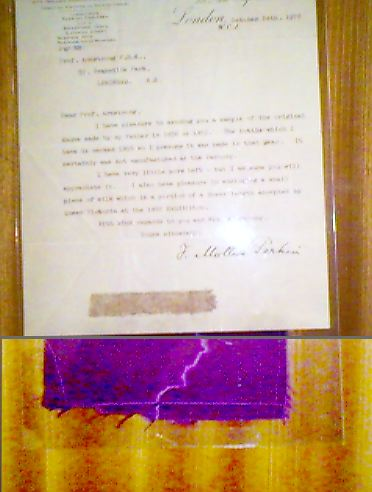
Mauveine aka aniline purple
Mauveine, also known as aniline purple and Perkin’s mauve, was one of the first synthetic dyes. It was discovered serendipitously by William Henry Perkin in 1856 while he was attempting to synthesise the phytochemical quinine for the treatment of malaria. It is also among the first chemical dyes to have been mass-produced. Chemistry Mauveine is a mixture of four related aromatic compounds differing in number and placement of methyl
Recent Posts
- The Titles of Nobility Clauses Are Screaming and Nobody Is Listening

- 🛡️ 50 Corporate TON Violations (and there are many more)
- TON makes ERA redundant because it forbids legal caste creation at the root
- Aristocracy is a poisonous weed and the TON clauses are weedkiller (in the unhinged spirit of Justice Scalia)
- Adams and Jefferson on Aristocracy: A Structural Disagreement in the Early Republic
Tags
2025 agriculture alchemy anthropology archaeology art biochemistry biography biology chemistry civil rights crystallography culture duplicate ecology economics endocrinology entertainment entomology folklore genetics geology glossary hematology history immunology law linguistics materials science medicine mythology neurology philosophy physiology politics psychology public health religion reproduction science smoker's paradox symbolism systems theory technology toxicology