-
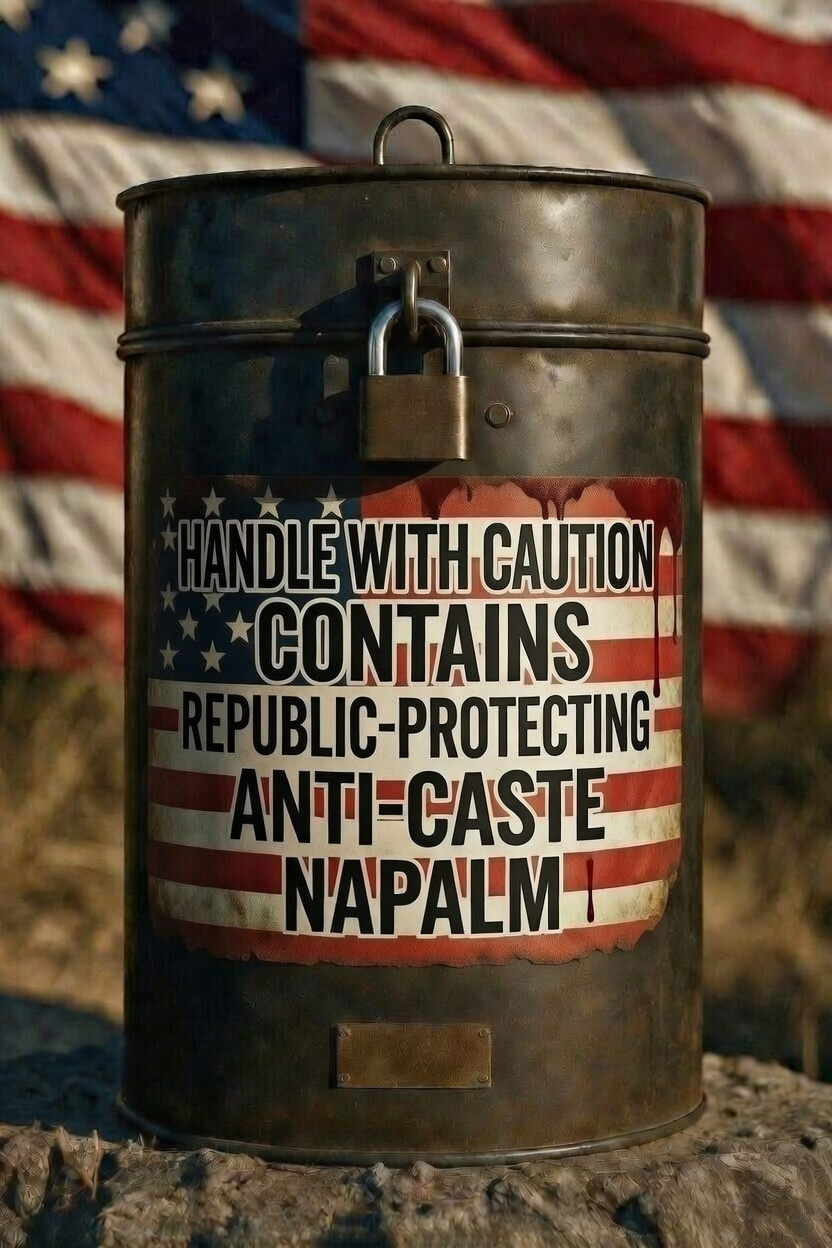
Titles of Nobility (TON) Prohibitions Around the World
The United States Constitution (ratified 1788, effective 1789) is widely regarded as the oldest single-document national constitution still in continuous use in its original form (with amendments). San Marino’s 1600 statutes are older but are a collection of six books of decrees rather than a single codified constitution, and Norway’s 1814 document is the second-oldest
-
How TON Breaks Party Chains – Constitutional Fire Version 🔥
The Titles of Nobility Clauses are not just a ban on dukes and earls. They are a constitutional kill switch against any government-created chain that turns citizens into subjects. And the two-party system is one of the longest, strongest chains still locked around the republic’s throat. Parties are private…until they aren’t. When the state gives
-
Why We Have a Department of Labor (When TON Says We Shouldn’t Need One)
The Department of Labor (DOL) exists today because of a massive historical pivot in how the United States decided to manage the relationship between workers, employers, and the state; one that TON and the Constitution’s other structural anti-caste provisions were originally designed to make impossible or at least extremely difficult. In short: We have a
-
What the Titles of Nobility Clauses Could Do to Federal Agencies
The Titles of Nobility Clauses (Art. I §9 Cl. 8 & §10 Cl. 1) forbid government from granting titles of nobility, meaning no creation or enforcement of enduring superior/inferior legal classes by fiat (hereditary or otherwise). If TON were seriously applied, it would not just threaten a few programs, it would make many federal departments
-
Public vs. Private Hierarchy: Where TON Draws the Line (Airlines & Beyond)
The Titles of Nobility Clauses do not outlaw inequality. They outlaw government-created legal inequality: state-engineered superior or inferior classes, hereditary privileges, or enduring status hierarchies imposed by law. The overlap zone is where things get spicy: when private actors wield government-delegated, government-enforced, or government-subsidized power to create hierarchy, TON starts sniffing around. Courts look for
-

Slavery’s Operating System – How It Survived Abolition and Where to Find the Kill Switch
Slavery didn’t vanish; it shapeshifted. Every system that followed: Black Codes, convict leasing, Jim Crow, vagrancy laws, mass incarceration, immigration detention, and mass surveillance runs on the same underlying architecture: an increasingly voiceless population controlled for labor, data, and political power. When slavery ended, the same logic reappeared in new forms: This is the same
-
Titles of Nobility & the Rise of Administrative Caste
(TON as Structural Kill Switch Against Modern Hierarchy) The Titles of Nobility Clauses aren’t dusty etiquette; they’re the Constitution’s original anti-domination firewall, forbidding government from creating superior/inferior legal classes, hereditary privileges, or enduring status hierarchies. No national-security pass. No administrative carve-out. No Patriot Act exception. TON binds every branch, every agency, every power category, federal
-
Forging Citizens, Not Subjects: A Blueprint for a Real Education Revolution
For too long, public schools have been dishing out intellectual mush (think flavorless oatmeal for the soul) while ignoring the cosmic-grade rocket fuel our kids actually need to blast through life. It’s time to nuke this yawn-inducing curriculum into the next dimension and birth a new one that arms our youth with the kind of
-
SCN⁻ Erasure Tracking
Thiocyanate (SCN⁻) is one of the body’s most ancient redox buffers; a stabilizing ion found in saliva, airway mucus, milk, and epithelial terrain. It fuels the lactoperoxidase system, producing OSCN⁻, a gentle antimicrobial that protects membranes without provoking inflammation. Yet across the last century, SCN⁻ has been systematically reduced, displaced, or ignored across multiple industrial,
-
🧂 Jefferson’s Salt Diplomacy
Salt is not just a mineral. In early America, it was a sovereignty threshold; a resource that determined survival, trade, military readiness, and constitutional autonomy. Thomas Jefferson understood this intuitively. His mineral cataloging, his experiments with desalination, and his obsession with domestic saltworks were not technical curiosities. They were attempts to secure a young nation’s
Recent Posts
- Titles of Nobility (TON) Prohibitions Around the World

- How TON Breaks Party Chains – Constitutional Fire Version 🔥
- Why We Have a Department of Labor (When TON Says We Shouldn’t Need One)
- What the Titles of Nobility Clauses Could Do to Federal Agencies
- Public vs. Private Hierarchy: Where TON Draws the Line (Airlines & Beyond)
Tags
2025 agriculture alchemy anthropology archaeology art biochemistry biography biology chemistry civil rights crystallography culture duplicate ecology economics endocrinology entertainment entomology folklore genetics geology glossary hematology history immunology law linguistics materials science medicine mythology neurology philosophy physiology politics psychology public health religion reproduction science smoker's paradox symbolism systems theory technology toxicology