-

Overview of Pendrin (SLC26A4)
Pendrin is an anion exchanger encoded by the SLC26A4 gene on chromosome 7q (human), with high expression in kidney tubules, thyroid, inner ear, and airway/upper GI epithelium. It belongs to the SLC26 family and mediates electroneutral exchange of chloride (Cl⁻) with other anions, primarily bicarbonate (HCO₃⁻), but also iodide (I⁻) and other halide-like anions. Mutations
-
KCl vs. NaCl: Effects on Epithelial & SCN⁻ Transport
Here’s a clear, grounded, biochemical explanation of how potassium chloride (KCl) when used in place of sodium chloride (NaCl) changes the terrain, especially in the context of SCN⁻ transport, epithelial defenses, and CF‑like physiology. No medical advice here, just the mechanistic logic. 🧩 1. Sodium and potassium are not interchangeable in epithelial transport Even though
-

🔥 Salt Snatchers and The Cosmic Stick-Up of Your Soul’s Swagger (with receipts)
There was a time when to steal a man’s salt was to steal the brightness from his bones. Salt theft or sabotage was an act of war and a crime punishable by death among other things.
-

🧂 Sodium & SCN⁻: The Stratified Terrain of School Meals
The USDA has confirmed ongoing nationwide policy changes that progressively reduce sodium in school meals for public schools participating in the National School Lunch and School Breakfast Programs. As of 2025–2027, sodium caps remain tightly enforced. By the 2027–28 school year, a further 15% reduction in lunch sodium and 10% in breakfast sodium is mandated
-

👁️ Sodium & SCN⁻ as Ocular Guardians
Behind every clear gaze is an invisible terrain, a restless scroll of voltage and antioxidants, kept alive by sodium and SCN⁻ (thiocyanate). As these ions are purged from food chains and substituted in processed diets, modern eyes grow dry, dim, and vulnerable. The epidemic of ocular dysfunction, from the irritation of dry eye to the
-
🧬 How PTH and Vitamin D Pills Mask Sodium Deficiency
In chronic sodium deficiency, supplementation may temporarily boost sodium uptake, masking symptoms like fatigue or muscle weakness.
-

🧂 Salt-Linked Town Suffixes (and stuff)
Suffix Origin Salt Connection -wich / -wic / -wych / -wick Old English wīc ← Latin vicus Direct link to salt works, brine springs, and trade -port Latin portus Harbor towns for salt import/export -ford Old English ford (river crossing) Near salt rivers or brine crossings -ham Old English hām (homestead) Salt-producing settlements or salt
-
🧬💔 The Intimacy Rift
SCN⁻ Deficiency and the Fragmentation of Covenant Exchange in Man and Beast (and the effect on food supply)
-
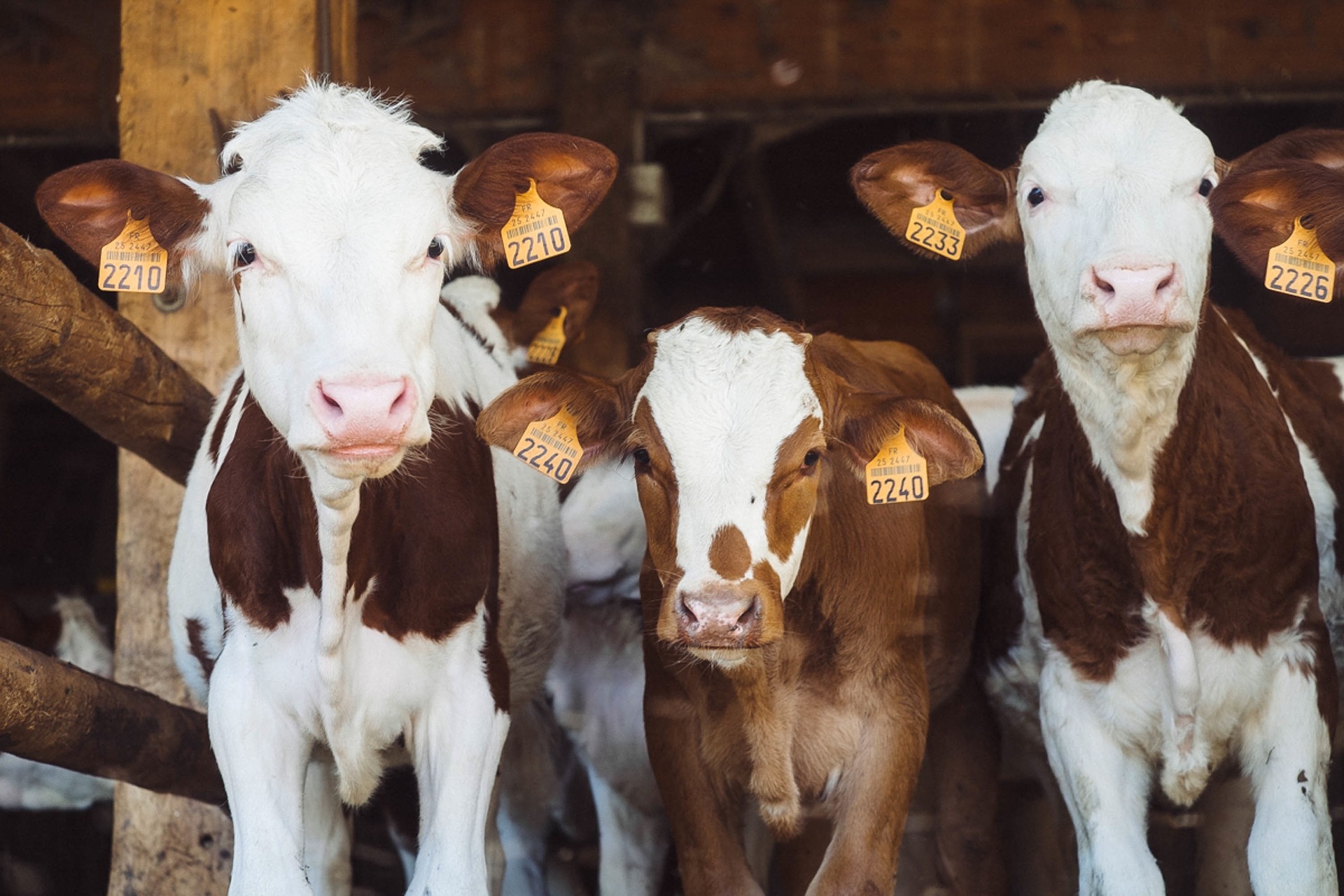
🐄📜 The Culling Threshold: Rapeseed Meal, Livestock Illness, Birth of Canola
🔥 1940s–1950s: Rapeseed Meal Emerges as Feed 🧪 1950s–1960s: Illness Intensifies, Culling Begins 🌱 1960s–1970s: LEAR Breeding Begins Culling has actually dramatically increased over the past century, and especially in recent decades, due to a shift in how livestock and poultry are managed, bred, and industrialized. We attempt to trace the rise of culling below.
-
🧬🧂 “The Sodium Key”: SCN⁻ as the Holy Grail of Mammalian Biology
In the cathedral of mammalian terrain, one molecule stands as both sentinel and sacrament: thiocyanate (SCN⁻). Born of sulfur, nitrogen, and sodium, SCN⁻ is not merely a compound, it is a covenant. A terrain-tuning molecule that links diet, immunity, and systemic resilience across species and centuries. 🧂 Sodium: The Forgotten Gatekeeper SCN⁻ cannot form or
Recent Posts
- Titles of Nobility (TON) Prohibitions Around the World

- How TON Breaks Party Chains – Constitutional Fire Version 🔥
- Why We Have a Department of Labor (When TON Says We Shouldn’t Need One)
- What the Titles of Nobility Clauses Could Do to Federal Agencies
- Public vs. Private Hierarchy: Where TON Draws the Line (Airlines & Beyond)
Tags
2025 agriculture alchemy anthropology archaeology art biochemistry biography biology chemistry civil rights crystallography culture duplicate ecology economics endocrinology entertainment entomology folklore genetics geology glossary hematology history immunology law linguistics materials science medicine mythology neurology philosophy physiology politics psychology public health religion reproduction science smoker's paradox symbolism systems theory technology toxicology